

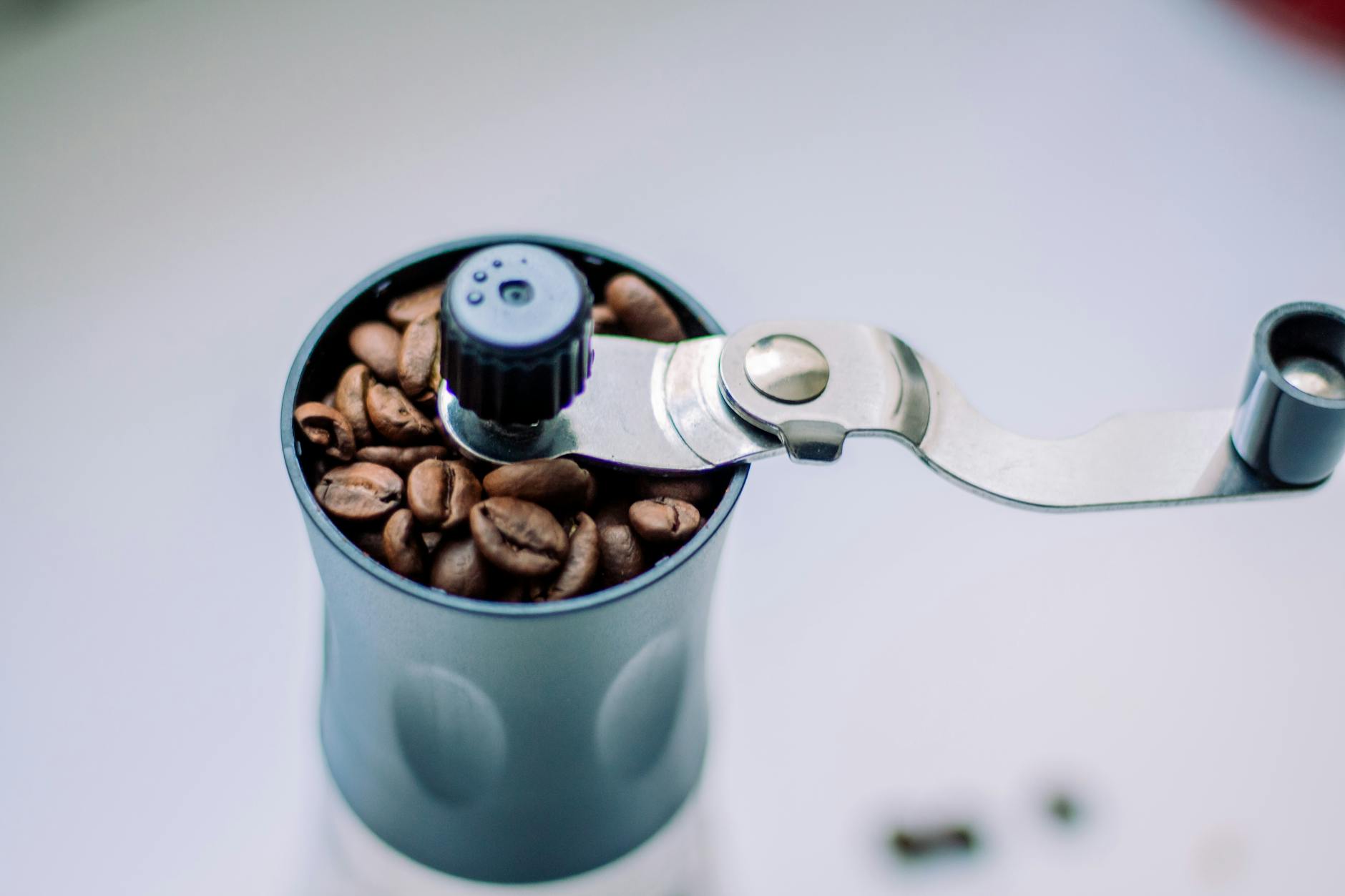
Fixing the Gaggia Anima bean hopper not feeding properly
The Gaggia Anima is a capable super-automatic machine, yet like any precision grinder, it can encounter issues. One of the more common problems users face is the bean hopper failing to feed beans into the grinder assembly correctly. This interruption, often audible as a high-pitched whirring sound from the grinder motor spinning freely, halts espresso production and can be a source of frustration. For the experienced home barista, understanding the mechanics behind this issue is key to a swift and effective resolution. This article provides a technical breakdown of the causes and a systematic approach to diagnosing and fixing the problem, ensuring you can return to pulling consistent shots with minimal downtime.
Understanding the grinder-hopper interface
The Gaggia Anima employs a direct-drive system where beans fall from the hopper into a ceramic flat burr grinder. The design relies on gravity and the stirring action of the upper burr carrier to ensure a steady flow of beans into the grinding chamber. Unlike some commercial grinders that use an auger to force-feed beans, the Anima depends on a clear, unobstructed path. The grinder assembly is calibrated to handle a specific range of bean sizes and roast levels. When this flow is impeded, the grinder spins without any beans to process, resulting in a failed brew cycle. Understanding this gravity-fed mechanism is the first step in diagnosing why it might be failing.
Primary causes of bean flow interruption
Several factors can prevent beans from feeding into the grinder. The most frequent culprit is the use of oily, dark-roasted coffee beans. Over time, these beans leave a sticky residue on the hopper walls and, more critically, within the grinder chute itself. This buildup reduces the flow efficiency, causing beans to bridge or stick together, preventing them from falling into the burrs. Another common cause is foreign objects, such as small stones or debris that were missed during bean sorting, which can physically block the grinder inlet. Finally, a buildup of coffee fines and broken bean fragments can create a clog, especially if the grind setting is very fine.
A systematic approach to diagnosis and resolution
Before disassembly, a methodical approach can often solve the problem. First, safely unplug the machine. Start by emptying the hopper of all beans. Use a vacuum cleaner to remove any loose beans or particles from the grinder entrance. Visually inspect the chute for obvious blockages. Often, simply cleaning the hopper and the visible grinder inlet with a dry cloth is sufficient to resolve minor oil-related issues.
If the problem persists, a deeper cleaning is necessary. This involves removing the upper burr to access the grinding chamber. Carefully follow the manufacturer’s instructions for this process. Once the chamber is accessible, use a stiff brush and a vacuum to clear out all compacted coffee grounds and residue. Pay close attention to the small channels and crevices where fines can accumulate. This is the most common point of failure for bean feeding.
Preventive maintenance and best practices
Consistent maintenance is the most effective way to prevent hopper feeding issues. Avoid letting beans sit in the hopper for extended periods, as oils can leach out and coat the surfaces. It is advisable to only add enough beans for a few drinks at a time. Periodically cleaning the hopper and the upper portion of the grinder is essential. For users who prefer darker roasts, this cleaning may need to be performed more frequently.
Furthermore, ensuring your workspace is clean and organized can prevent accidental contamination of the bean supply. Using dedicated, clean scoops and storage containers minimizes the risk of foreign objects entering the hopper. Proper maintenance ensures the machine operates as intended and preserves the quality of your espresso.
Conclusion
A Gaggia Anima that fails to feed beans is typically not a sign of a major mechanical failure but rather an issue of flow dynamics and cleanliness. By understanding that the machine relies on a gravity-fed system, users can quickly identify the root cause, which often traces back to oily bean residue, coffee fines, or foreign debris. A systematic troubleshooting process, starting with simple cleaning and escalating to a more thorough grinder cleanse, will resolve the vast majority of these cases. Implementing a routine of preventive maintenance is the best strategy to ensure long-term reliability. For those who require specific tools for maintenance, various cleaning brushes and accessories are available from retailers like papelespresso.com.
 No products in the cart.