

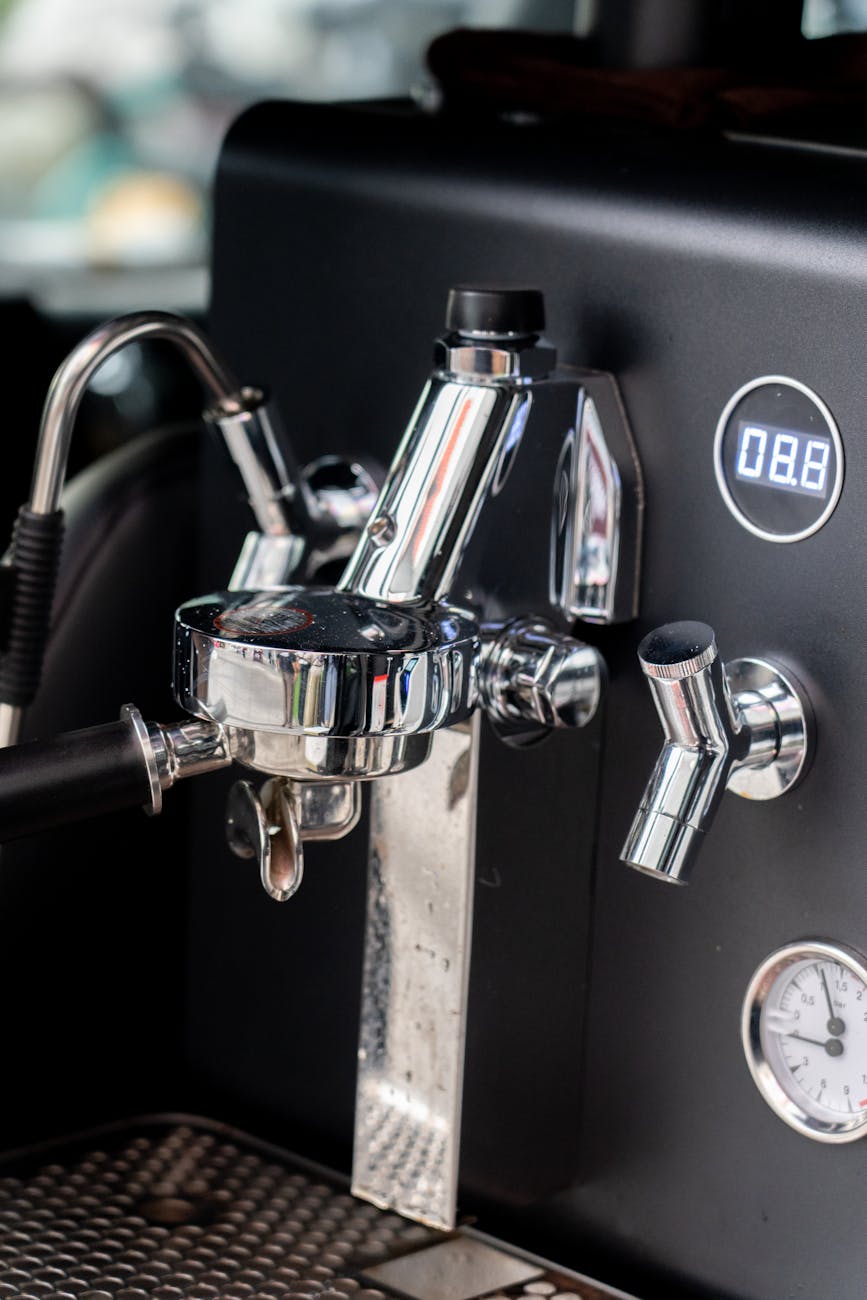
How to pull a ristretto using the Gaggia Anima
The pursuit of the perfect espresso shot often leads baristas down a path of experimentation with different brew ratios and extraction styles. One of the most classic variations is the ristretto, a short, concentrated shot prized for its intense sweetness and heavy body. While often associated with manual or semi-automatic machines, achieving a quality ristretto on a super-automatic machine like the Gaggia Anima is entirely possible. It requires a foundational understanding of espresso theory and a specific approach to manipulating the machine’s automated controls. This guide provides a technical walkthrough for experienced users looking to coax a true ristretto from the Anima, moving beyond the factory presets to achieve a more nuanced extraction.
Understanding the ristretto
Before adjusting the machine, it is critical to define what constitutes a ristretto. The term, Italian for “restricted,” refers to a short shot of espresso made with the same amount of ground coffee as a standard espresso but with roughly half the amount of water. This results in a different brew ratio. While a typical espresso aims for a 1:2 to 1:2.5 ratio (e.g., 18 grams of coffee yielding 36–45 grams of liquid), a ristretto targets a much tighter 1:1 to 1:1.5 ratio (18 grams of coffee yielding 18–27 grams of liquid).
This restricted volume changes the sensory profile. The first part of an espresso extraction is rich in oils and sweet, soluble compounds. By cutting the shot short, a ristretto emphasizes these characteristics while minimizing the more bitter and acidic compounds that emerge later in the pull. The result is a syrupy, concentrated shot with a distinct flavor profile.
Key parameters on the Gaggia Anima
The Gaggia Anima offers three primary controls that you must manipulate to pull a ristretto: the grind setting, the aroma strength (dose), and the programmable coffee volume (yield). Mastering these functions is essential.
- Grind Setting: The Anima features a multi-step ceramic burr grinder. For a ristretto, a finer grind setting is necessary. A finer grind increases the surface area of the coffee and compacts the puck more densely, slowing down the water flow. This is crucial for achieving proper extraction with less water volume.
- Aroma Strength (Optiaroma): This function controls the coffee dose, or the amount of ground coffee used for the shot. The Anima typically has 3–5 settings. Using the highest setting (the most “beans”) ensures a maximum dose, which provides the necessary resistance to the water and a strong foundation for the shot.
- Programmable Volume: This is the most important setting. The Anima allows you to program the volume for the espresso button. By default, it is set for a standard espresso volume. You must reprogram it to dispense a much smaller amount of water to achieve the target ristretto ratio.
A step-by-step guide to dialing in
Achieving the correct ratio requires a systematic approach. You will need a scale that measures in grams to accurately weigh your output.
- Set the dose and grind: Begin by setting the Aroma Strength (Optiaroma) to its maximum setting. Adjust the grinder to a finer setting than you would use for a standard espresso. A good starting point is the second or third finest setting. Remember to only adjust the grinder when it is in operation to prevent damage.
- Purge the grinder: After adjusting the grind, pull one or two shots to purge any grounds from the previous setting and allow the new setting to take effect. Discard these shots.
- Program the volume: Place a cup on a tared scale under the spout. Press and hold the espresso button. The machine will begin to grind and brew, and the button will start to blink, indicating it is in programming mode.
- Stop the shot: Watch the weight of the liquid espresso on the scale. When it reaches your target yield (e.g., 20–25 grams, depending on your machine’s dose), press the button again to stop the flow. The machine will now save this volume as the new default for the espresso button.
- Evaluate and adjust: Taste the resulting shot. If it is sour and thin, the water flowed through too quickly (underextracted). You may need to go one step finer on the grind. If it is overly bitter and harsh, it may be choked or overextracted, requiring a slightly coarser grind. Continue making small, incremental adjustments until the taste is balanced and the body is syrupy.
The table below outlines the target parameters for a ristretto compared to a standard espresso.
| Parameter | Standard Espresso | Ristretto |
|---|---|---|
| Brew Ratio | 1:2 – 1:2.5 | 1:1 – 1:1.5 |
| Grind Size | Fine | Finer |
| Extraction Time | ~25–30 seconds | ~15–20 seconds |
| Flavor Profile | Balanced, complex | Intense, sweet, reduced bitterness |
Conclusion
Pulling a true ristretto from the Gaggia Anima is a rewarding exercise for any home barista looking to explore the capabilities of their machine. It moves beyond simple button-pushing into the realm of manual adjustment and sensory analysis. By methodically manipulating the grind size, maximizing the coffee dose, and reprogramming the shot volume, you can successfully produce a concentrated, syrupy shot that stands apart from a standard espresso. This hands-on approach requires precision and patience, but it ultimately allows for a greater degree of control over the final cup. For those looking to further enhance their brewing process, a wide range of barista tools and accessories are available from specialized retailers such as papelespresso.com.


 No products in the cart.