

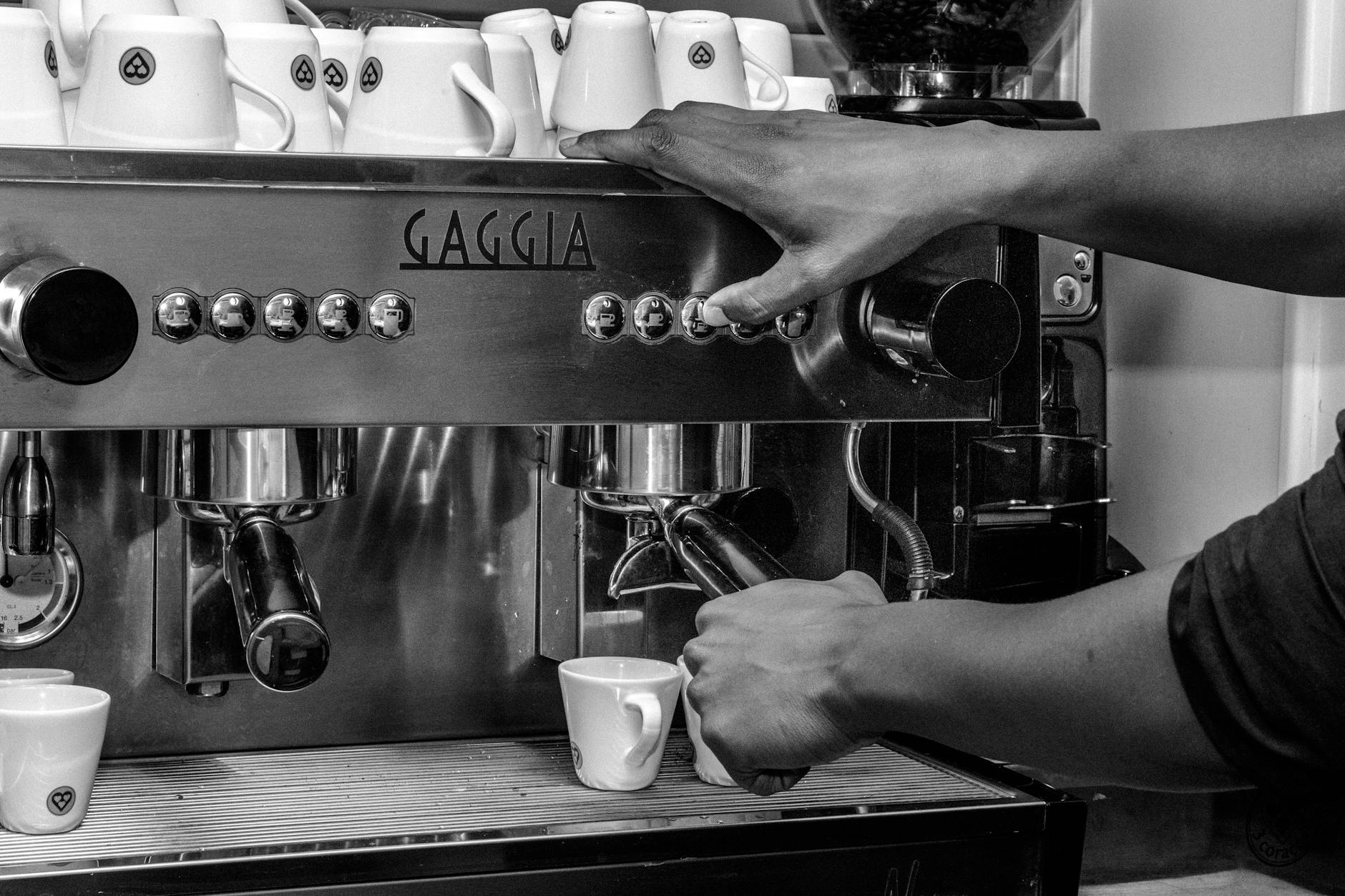
Improving espresso temperature on the Gaggia Anima
The Gaggia Anima is a capable super-automatic espresso machine known for its convenience and user-friendly interface. For experienced home baristas and those accustomed to manual espresso machines, however, achieving optimal brew temperature for different coffee roasts requires a deeper understanding of its thermal system. Temperature is a critical variable in extraction, directly influencing the final balance of acidity, sweetness, and bitterness in the cup. Factory settings on machines like the Anima are designed for general use, but they can be limiting. This article provides a technical guide to managing and stabilizing brew temperature on the Anima, moving beyond the standard menu options to give users more precise control over their espresso.
Understanding the Anima’s thermal system
The Gaggia Anima utilizes a thermoblock heating system, which is designed to heat water on demand. Unlike a traditional boiler that holds a large volume of hot water, a thermoblock rapidly heats a smaller amount as it passes through a heated channel. This design allows for a quick warm-up time and efficient energy use, making it ideal for home appliances. However, it also means the system is more susceptible to minor temperature fluctuations between shots and during the brewing process itself. The machine’s primary goal is to deliver a consistent product quickly, which can sometimes come at the cost of the thermal precision required for specialty coffee.
The built-in temperature settings—typically labeled Min, Med, and Max—control a target temperature range, not a precise degree-specific setpoint. These settings adjust the thermostat’s target, but the actual temperature of the water hitting the coffee grounds can vary based on several factors, including the machine’s idle time and ambient conditions. Understanding this is the first step toward managing it effectively.
The importance of preheating
One of the most significant sources of temperature loss occurs as the heated water travels from the thermoblock to the coffee puck. The internal brew unit, spout, and, most importantly, the coffee cup itself will absorb a substantial amount of heat if they are not properly preheated. A cold ceramic cup can instantly drop the temperature of a freshly brewed espresso by several degrees, muting delicate flavors and increasing perceived sourness.
A disciplined preheating routine is essential for thermal stability. First, allow the machine to warm up for at least 15 minutes after turning it on, which gives the internal components time to reach a stable temperature. Immediately before brewing your first shot, run a hot water cycle through the brew spout. This action, often called a warming flush, purges any cooler water sitting in the lines and preheats the entire brew path. Simultaneously, use this hot water to thoroughly warm your cup. This simple, two-step process ensures that the machine and the vessel are prepared to maintain the target temperature during extraction.
Managing brew water for different roasts
The ideal brewing temperature varies depending on the coffee’s roast level. Lighter roasts are less soluble and generally require higher temperatures to properly extract their complex floral and fruit notes. Conversely, darker roasts are more soluble and can easily become bitter or acrid if brewed with water that is too hot. Using the Anima’s temperature settings in conjunction with a flushing routine allows for more nuanced control.
For a light roast, select the “Max” temperature setting. A brief warming flush just before brewing will help ensure the water is at the peak of the machine’s heating cycle, aiding in a fuller extraction. For darker roasts, start with the “Min” or “Med” setting. In this case, you may want to skip a pre-brew flush to avoid pushing the temperature too high, which can help produce a smoother, less bitter shot. The goal is to create a consistent workflow tailored to the specific coffee you are using.
| Roast level | Anima setting | Pre-brew action | Expected outcome |
|---|---|---|---|
| Light | Max | Run a short warming flush | Enhanced brightness, reduced sourness |
| Medium | Med / Max | Optional short flush | Balanced sweetness and body |
| Dark | Min / Med | No flush or a very short one | Reduced bitterness, full body |
Workflow and shot-to-shot consistency
For users making multiple drinks, shot-to-shot consistency is a key goal. The first espresso of the day is often the least temperature-stable, as the machine is still reaching thermal equilibrium. Subsequent shots tend to be more consistent and slightly hotter because the entire system, from the thermoblock to the brew group, is fully heat-saturated. If you are preparing two drinks, the second one will likely have a more stable extraction profile. You can account for this by slightly adjusting your routine. For example, if the first shot tastes under-extracted, a longer warming flush before the next one can help elevate the brew temperature into the optimal range.
Ambient room temperature also plays a subtle role. A machine operating in a cold kitchen will have to work harder to maintain its temperature. Being mindful of these variables and establishing a repeatable workflow are fundamental to achieving consistent results with the Gaggia Anima.
Conclusion
While the Gaggia Anima is a super-automatic machine, it responds well to manual interventions that are familiar to experienced baristas. Achieving greater control over espresso temperature is not about overriding the machine, but rather working with its design. By understanding its thermoblock system, implementing a rigorous preheating and flushing routine, and tailoring your workflow to the specific roast level of your coffee, you can significantly improve extraction quality. These deliberate steps elevate the Anima from a convenient appliance to a more precise brewing instrument, capable of producing espresso that is balanced and expressive. For those looking to refine other aspects of espresso preparation on manual machines, various tools are available at papelespresso.com.

 No products in the cart.