

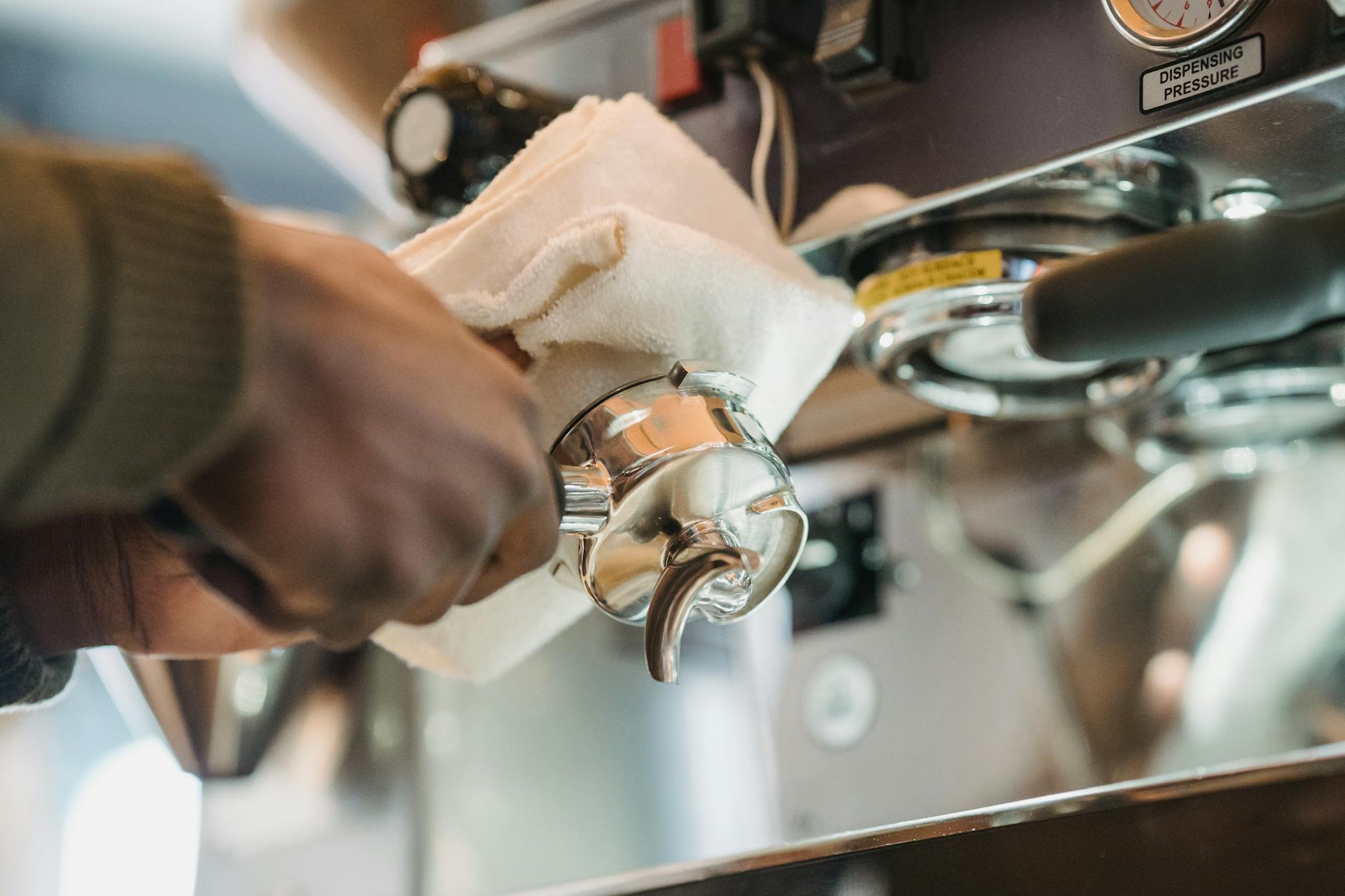
How to clean and maintain the Gaggia Anima brew group
For the dedicated home barista, the Gaggia Anima represents a commitment to quality and convenience in super-automatic espresso. While these machines automate many complex variables, their long-term performance hinges on consistent, detailed maintenance. The heart of the Anima is its removable brew group, a sophisticated assembly responsible for tamping, brewing, and ejecting coffee pucks. Understanding how to properly clean and maintain this component is not merely a matter of hygiene; it is fundamental to preserving shot consistency, flavor clarity, and the operational lifespan of the machine. This guide provides a technically focused approach to brew group care, designed for users who appreciate the mechanics behind a great espresso and seek to keep their equipment in optimal condition.
Weekly rinsing and inspection
Routine cleaning is the most critical aspect of brew group maintenance. Coffee grounds, oils, and fine particulates accumulate quickly, and if left unattended, they can impede mechanical movement and introduce rancid flavors into your espresso. At least once a week, or more frequently depending on use, the brew group should be removed for a thorough rinse. To do this, first power down the machine and open the side service door. Release the brew group by pressing the “PRESS” lever and gently pulling it out by its handle. Avoid forcing the unit; if it feels stuck, ensure the machine’s internal mechanism is in the neutral position by turning it on and off again.
Rinse the brew group thoroughly under lukewarm running water. Do not use soap or detergents, as these can strip away the necessary food-safe lubricant and potentially damage plastic components. Focus water flow on the shower screen, the coffee exit funnel, and any crevices where grounds accumulate. Pay close attention to the red O-ring and the moving parts. A gentle brush can be used to dislodge stubborn particles. After rinsing, shake off excess water and allow it to air dry completely before reinserting it into the machine. This simple, regular task prevents buildup and allows for early detection of potential issues.
Periodic deep cleaning
Beyond the weekly rinse, a more intensive cleaning is necessary to break down accumulated coffee oils and residues that water alone cannot remove. Every month or after approximately 500 brewing cycles, perform a deep clean using coffee degreasing tablets. Gaggia recommends a specific procedure for this process, which typically involves running a dedicated cleaning cycle. Dissolve a tablet in the pre-ground coffee chute as per the manufacturer’s instructions. This process sends a powerful cleaning solution through the internal brewing circuit and the brew group itself, dissolving baked-on oils.
After the automated cycle is complete, remove the brew group and inspect it. You may notice residue that the cycle has loosened but not fully removed. Rinse it again under lukewarm water to clear away any remaining cleaning agent or dislodged debris. This two-stage approach ensures both the internal, less accessible parts of the brewing path and the removable group itself are free from oil buildup, which is a primary cause of bitter or off-tasting espresso.
Lubrication of moving parts
The Gaggia Anima brew group has several moving components that require periodic lubrication to function smoothly and prevent premature wear. Without proper lubrication, friction can increase, leading to straining of the drive motor and potential mechanical failure. Every three to six months, or when you notice the mechanism becoming noisy, it is time to apply a food-safe grease. It is essential to use a lubricant specifically designed for espresso machine brew groups, as other types can break down, impart unpleasant tastes, or fail to provide adequate protection.
To apply the lubricant, first clean and dry the brew group thoroughly. Apply a thin, even layer of grease to the main guide rails on both sides of the unit. You should also apply a small amount to the central piston shaft and the gears. Manually move the components back and forth to distribute the lubricant evenly. The goal is to create a thin, protective film, not to coat the parts heavily. Over-lubricating can attract coffee grounds and create a sludge that hinders movement, so moderation is key.
O-ring and component checks
The main red or orange O-ring at the top of the brew group is a critical seal. It ensures that pressurized water is forced through the coffee puck and does not leak. Over time, this seal can become dry, brittle, or cracked, leading to a loss of pressure and watery shots. During each cleaning, visually inspect the O-ring for any signs of wear or damage. Feel it to ensure it is still pliable. If it appears worn or damaged, it should be replaced immediately. This is an inexpensive part that has a significant impact on performance.
Additionally, take the opportunity to inspect other parts of the brew group, such as the coffee funnel and the shower screen. Ensure the screen is free of blockages and that no plastic components show signs of stress or cracking. A well-maintained brew group is a holistic system, and the failure of one small part can affect the entire brewing process. Regular, detailed inspections are part of a proactive maintenance strategy.
Conclusion
Maintaining the Gaggia Anima’s brew group is a straightforward process that pays significant dividends in espresso quality and machine longevity. By adhering to a disciplined schedule of weekly rinsing, monthly deep cleaning, and periodic lubrication, the experienced user can ensure mechanical reliability and flavor purity. The key is to treat maintenance not as a chore, but as an integral part of the espresso-making craft. This attention to detail prevents the gradual decline in performance that can result from neglect. A clean, well-lubricated brew group operates efficiently, produces consistent results, and allows the Anima to perform at its peak for years to come.
 No products in the cart.