

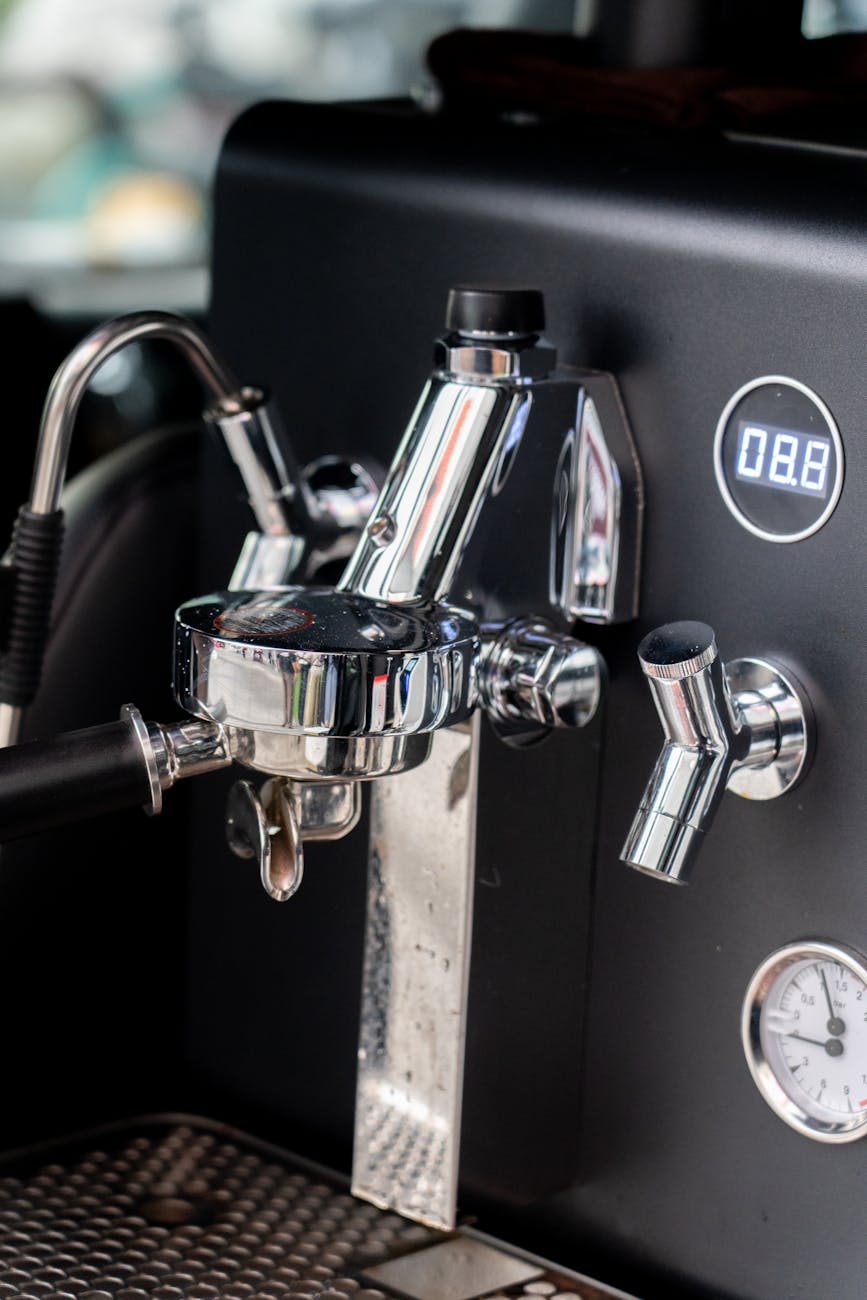
Why your Gaggia Classic Pro shots are channeling and how to stop it
Channeling is a frustrating issue for any home barista, and it is especially common when working with a manual machine like the Gaggia Classic Pro. It occurs when water finds a path of least resistance through the coffee puck, leading to uneven extraction. Instead of a uniform, syrupy flow, you might see spurting, light-colored streams, or a cone that fails to come together. This results in a shot that is simultaneously sour and bitter, masking the true potential of your coffee beans. For the experienced user aiming for precision and control, understanding the root causes of channeling is the first step toward achieving consistently balanced and flavorful espresso. This article breaks down the technical reasons for channeling and provides practical solutions.
The foundation of a good shot: puck preparation
Excellent espresso begins long before the portafilter is locked into the group head. The primary cause of channeling is an improperly prepared puck of coffee. The goal of puck preparation is to create a homogenous bed of grounds with uniform density, ensuring that water flows through it evenly. Any inconsistencies, such as clumps of grounds or an uneven surface, will create weak points. Water, under the high pressure generated by the Gaggia Classic Pro, will exploit these weaknesses. This is why a consistent grind, free of excessive clumps, is critical. A high-quality grinder is essential, but even the best grinders can produce some clumping depending on the coffee and environmental humidity.
Distribution: the key to uniform extraction
Simply grinding coffee into your portafilter is not enough to ensure an even extraction. The grounds will naturally form a mound, with a higher density in the center and looser grounds around the edges. If you tamp this mound directly, you create a puck that is denser in some areas than others. Water will bypass the dense areas and flow too quickly through the less dense ones, causing channeling. The solution is effective distribution, which aims to create a perfectly level and homogenous bed of coffee before tamping. Techniques like tapping the side of the portafilter are a start, but a more meticulous approach like the Weiss Distribution Technique (WDT) is often necessary for consistent results. This involves using a tool with fine needles to stir the grounds, breaking up clumps and distributing them evenly across the basket.
Tamping: creating a stable and level bed
Tamping is the final step in preparing the coffee puck, and its importance is often misunderstood. The primary goal of tamping is not to press the coffee as hard as possible, but to compact it into a stable, level puck that can withstand the force of the water from the group head. The two most critical aspects of tamping are pressure and levelness. The pressure should be firm and consistent from shot to shot, but it does not need to be excessive. More importantly, the tamp must be perfectly level. An unlevel tamp creates a slope within the puck, resulting in one side being deeper than the other. Water will naturally flow more quickly through the shallower side, leading to severe channeling and an unbalanced extraction.
Machine factors: managing the Gaggia Classic Pro
While puck preparation is the most significant factor, the Gaggia Classic Pro itself has characteristics that can contribute to channeling if not properly managed. The machine is known for its powerful nine-bar pump, which delivers pressure quickly and forcefully. If your puck has any minor flaws, this intense pressure can fracture it upon initial contact, creating channels instantly. Some users mitigate this with pre-infusion techniques or modifications that allow for pressure profiling. Furthermore, temperature stability is crucial. “Temperature surfing,” or the practice of timing your shot based on the boiler’s heating cycle, can help ensure you are brewing at a consistent temperature. An unstable or excessively high temperature can cause the water to flash boil as it hits the puck, disrupting the coffee bed and inducing channeling.
Conclusion: a systematic approach to better espresso
Channeling in the Gaggia Classic Pro is not a single problem but the result of a breakdown in one or more stages of the espresso-making process. By adopting a systematic approach, you can isolate and resolve the issue. Start with your puck preparation, ensuring a consistent grind and meticulous distribution to eliminate density variations. From there, focus on a firm, consistent, and perfectly level tamp to create a stable coffee bed. Finally, understand how to manage your machine’s pressure and temperature to provide a stable brewing environment. Mastering these variables transforms the Gaggia Classic Pro from a challenging machine into a highly capable tool for crafting exceptional espresso. For those looking to refine their technique, various preparation tools are available at papelespresso.com that can help achieve greater consistency.



 No products in the cart.