

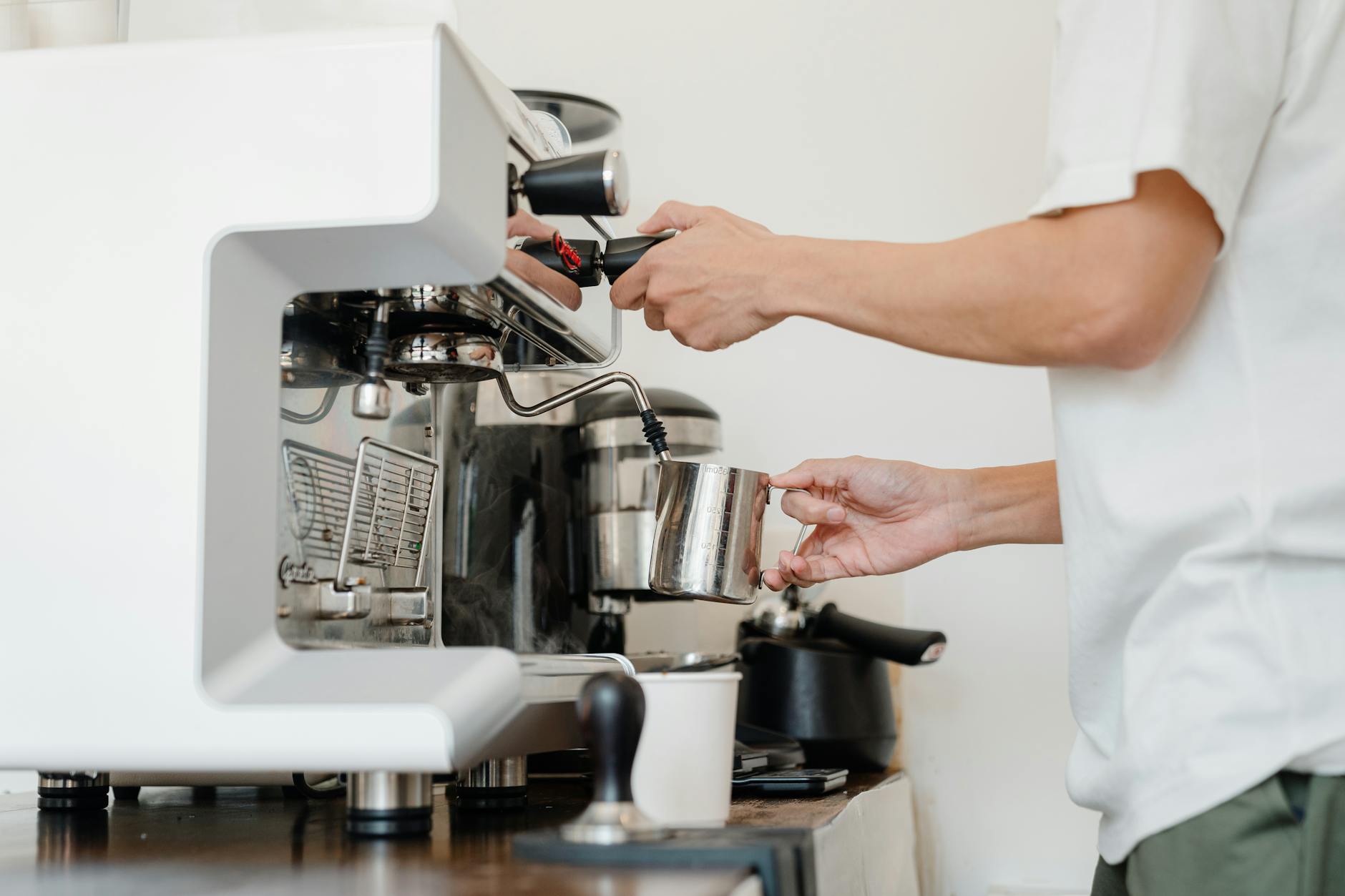
How to improve steam pressure and duration on the Gaggia Classic Pro
The Gaggia Classic Pro is a capable and beloved machine in the home espresso community, known for its robust build and repairability. While it can produce excellent espresso, experienced users often find its stock steam performance to be a limiting factor. Achieving silky, well-integrated microfoam requires consistent steam pressure and sufficient duration, two areas where the Classic Pro can be improved. This article explores the technical reasons behind its steaming behavior and outlines practical methods for enhancing its performance. For the dedicated home barista, understanding these principles is key to unlocking the machine’s full potential and elevating the quality of milk-based drinks.
Understanding the single boiler system
The Gaggia Classic Pro uses a single boiler for both brewing espresso and steaming milk. This dual-use design is common in entry-level machines and requires the boiler to operate at two different temperatures. For brewing, water is heated to approximately 93–98°C. For steaming, the same water must be heated well past boiling, to around 120–140°C, to generate steam pressure.
This process is controlled by a simple bimetallic thermostat. When you activate the steam switch, the machine engages a separate, higher-temperature thermostat that allows the heating element to raise the boiler temperature. Once this set point is reached, the thermostat cuts power to the element. As you steam, the temperature and pressure drop, and once they fall below the thermostat’s lower threshold, the heater reactivates. This wide, mechanically controlled temperature range, often called a “deadband,” is the primary cause of inconsistent steam pressure.
Mastering the heating cycle with technique
Without any modifications, the most effective way to improve steam performance is to work with the machine’s heating cycle, a technique often called temperature surfing. The goal is to begin steaming at the precise moment the heating element is active, ensuring you receive the strongest and most sustained pressure possible.
Follow these steps for better steam pressure:
- Engage the steam switch: Flip the steam switch to begin heating the boiler to steam temperature.
- Wait for the ready light: The brew temperature light will turn on, indicating the machine is ready. However, this is the point where the thermostat has just turned the heater off. The pressure is at its peak but will immediately begin to fall.
- Purge the wand: Briefly open the steam valve to purge any condensed water from the wand. This also causes a slight drop in boiler temperature.
- Wait for the heater to engage: This is the most crucial step. After a short period, the temperature will drop enough for the thermostat to re-engage the heating element. You will know this has happened when the ready light turns off.
- Begin steaming immediately: As soon as that light turns off, insert the steam wand into your milk and open the valve. By starting now, you are steaming while the boiler is actively being heated, providing a continuous supply of strong steam that counteracts the pressure drop.
This technique requires practice and timing but provides a significant improvement over steaming at a random point in the cycle.
The impact of water level in the boiler
The amount of water in the boiler has a direct effect on the quality and duration of the steam. A boiler with more water (less headspace) will produce “wetter” steam because more water droplets are carried out with the steam. Conversely, a boiler with less water (more headspace) will produce “drier” steam, which is generally preferred for creating fine microfoam. However, a larger headspace means there is less thermal mass from the water itself, which can cause the pressure to drop off more quickly.
For the Gaggia Classic Pro, a good practice is to purge a small amount of water through the steam wand just before initiating the heating cycle. This ensures the boiler is not overly full, creating a slightly larger steam reservoir and promoting drier steam. Finding the right balance is a matter of experimentation, but managing the water level is a subtle yet important factor in performance.
Conceptual hardware modifications
For users seeking ultimate control and consistency, hardware modifications offer a more permanent solution than technique alone. The most impactful upgrade is the installation of a PID (Proportional-Integral-Derivative) controller. A PID replaces the simple thermostat with a small computer that monitors the boiler temperature via a thermocouple and uses an algorithm to hold it at a precise set point. For steaming, a PID can maintain a consistently high boiler temperature with minimal fluctuation, eliminating the pressure peaks and valleys of the stock system. This results in powerful, continuous steam on demand.
Another common modification involves changing the steam wand tip. Stock tips often have two or more holes. By switching to a tip with a single, smaller hole, the velocity of the steam is increased. While this does not increase the boiler’s total steam volume, the higher exit velocity can make it easier to roll the milk and create fine-textured microfoam, even with modest pressure. This is a trade-off, as it can increase the total time required to steam the milk to temperature.
Conclusion
While the Gaggia Classic Pro has certain limitations in its stock form, its steam performance can be substantially improved. The key lies in understanding its single boiler mechanics and the behavior of its steam thermostat. By mastering the technique of temperature surfing, you can align your workflow with the machine’s heating cycle to maximize steam pressure and duration. Additionally, managing the boiler’s water level can further refine the quality of the steam produced. For those pursuing the highest level of performance, conceptual upgrades such as PID controllers or alternative steam tips offer a path toward greater consistency. Ultimately, a combination of knowledge and practice transforms this capable machine into a truly impressive performer. Relevant tools for manual espresso are available from papelespresso.com.


 No products in the cart.