

Dialing in perfection: The ultimate guide to grind size for the Cremina 49mm basket
The Olympia Cremina is more than just an espresso machine; it’s a timeless piece of mechanical art that promises a direct, tactile connection to the coffee-making process. At the heart of this experience is its unique 49mm portafilter basket. While many are accustomed to the larger 58mm commercial standard, the Cremina’s smaller, deeper basket presents a distinct set of challenges and rewards. Mastering it hinges almost entirely on one critical variable: the grind size. This guide will demystify the process of choosing the right grind for your Cremina. We’ll explore why its basket is different, how to establish a baseline, and how to use your senses to chase that perfect, syrupy shot of espresso that makes this machine so legendary.
Understanding the Cremina’s unique brew dynamics
Before you even touch your grinder, it’s crucial to understand why the Cremina behaves differently. The 49mm basket isn’t just a smaller version of a standard basket; its geometry fundamentally changes how water interacts with the coffee grounds. Compared to a wider, shallower 58mm basket, a properly dosed Cremina basket creates a deeper, more compressed coffee puck. This depth means water has to travel a longer path through the grounds to complete the extraction.
What does this mean for your grind? It means you generally need to grind finer than you would for a standard semi-automatic machine. The finer grind is necessary to provide the correct amount of resistance against the water pressure you generate with the lever. Without this resistance, water will rush through the puck, a phenomenon known as channeling, leading to a thin, sour, and under-extracted shot. The manual lever also adds another layer. You are in direct control of pre-infusion and pressure, and the feedback you feel through the lever is your first and most important clue about whether your grind is in the right ballpark.
Finding your baseline: The starting point for great espresso
Dialing in your Cremina is a process of small, iterative adjustments. You won’t get it perfect on the first try, so the goal is to find a reasonable starting point and refine from there. Forget a “one-size-fits-all” setting; your baseline will depend on your specific coffee beans, your dose, and your grinder’s capabilities. A high-quality burr grinder with stepless or micro-stepped adjustments is non-negotiable for a machine this sensitive.
Follow these steps to establish your initial grind setting:
- Start with a consistent dose: For a standard double basket, a dose between 12 and 14 grams is a common starting point. Use a scale to ensure your dose is precise every time.
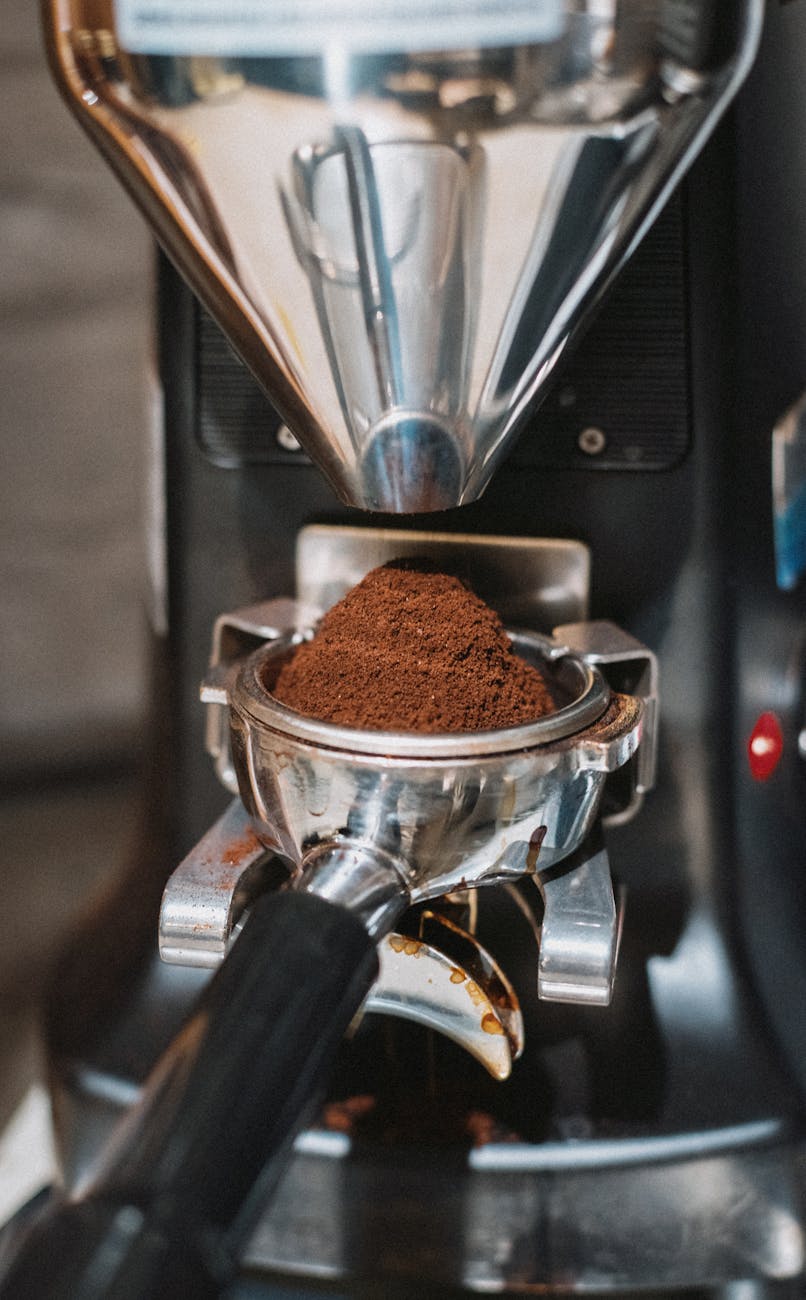
- Aim for a fine consistency: As a tactile reference, the grind should feel somewhere between fine table salt and powdered sugar. It should clump together slightly when pinched but not feel damp or pasty.
- Tamp evenly and consistently: Apply firm, level pressure to create a flat bed of coffee. Puck preparation is just as important as the grind itself.
- Feel the lever: Pull the shot. The lever should offer firm, steady resistance. If it sinks with almost no effort, your grind is far too coarse. If you have to strain to the point of breaking the machine, it’s choked and far too fine. You are looking for a satisfying resistance that allows for a pull of around 25 to 30 seconds.
This first pull is all about data collection. Don’t worry too much about the taste yet. Focus on the time it takes to pull the shot and the physical feedback from the lever. This gives you the information you need for the next, most important step.
Refining your grind with taste and visual cues
Once you have a baseline where the machine isn’t gushing or choking, you can start making micro-adjustments based on what you see in the cup and, most importantly, what you taste. Espresso extraction is a delicate balance. Your goal is to find the “sweet spot” where you’ve extracted all the desirable sugars and oils without pulling out the bitter compounds. Use the following table as your guide to diagnosing your shot and making the right adjustment.
| Observation (Problem) | Likely Cause | Solution |
|---|---|---|
| Shot pulls too fast (e.g., under 20 seconds); espresso is pale and thin. Tastes sour or overly acidic. | Under-extraction. The grind is too coarse, and water is passing through the puck too quickly. | Adjust your grinder to a finer setting. Make a small adjustment and try again. |
| Shot pulls too slowly (e.g., over 35 seconds) or only drips out. Tastes intensely bitter, dry, or astringent. | Over-extraction. The grind is too fine, creating too much resistance and stewing the coffee. | Adjust your grinder to a coarser setting. This will allow water to flow more freely. |
| Blonding happens very early in the shot; watery streams appear from the portafilter spout. | Channeling. Water is finding a path of least resistance. This can be due to a grind that’s slightly too coarse or poor puck prep. | First, ensure your distribution and tamping are perfect. If it persists, try a slightly finer grind to create a more compact puck. |
| The shot is balanced, with a thick, syrupy body, rich crema, and a pleasant taste combining sweetness and acidity. | Proper extraction. You’ve found the sweet spot! | Lock in that grind setting! Remember it for this specific coffee bean. |
Adapting to variables: Why one setting doesn’t rule them all
Congratulations, you’ve dialed in the perfect shot! But don’t get too comfortable. The ideal grind setting is a moving target influenced by several factors. A true master of the Cremina understands that they must remain attentive and be prepared to make small adjustments from day to day or even from bag to bag of coffee.
The coffee itself is the biggest variable. A dark, oily roast is more brittle and soluble, often requiring a slightly coarser grind to prevent over-extraction. Conversely, a modern, light roast is much denser and less soluble, demanding a finer grind to extract its delicate, complex flavors. The age of your beans also matters. As coffee ages and degasses, it offers less resistance, often requiring you to grind progressively finer to maintain the same shot time you achieved when the bag was fresh.
Finally, your dose plays a direct role. If you increase your dose from 12g to 14g, you are adding more coffee to the puck, which naturally increases resistance. To compensate and keep your shot times consistent, you may need to grind slightly coarser. The opposite is true if you decrease your dose. It’s all an interconnected dance of dose, grind, and time.
Conclusion: The rewarding journey of mastery
Choosing the right grind size for the Cremina 49mm basket is less about finding a single magic number and more about developing a process and an intuition. It begins with understanding the unique physics of its deep basket, which demands a finer grind to build adequate resistance for a manual lever. From there, the process is methodical: establish a baseline by focusing on dose and the physical feedback from the lever, then use your senses of sight and taste to make small, informed adjustments. Remember that your perfect setting will shift with every new bag of coffee, its age, and even your chosen dose. While this constant need for attention may seem daunting, it is precisely this hands-on process that makes using the Cremina so deeply rewarding.
 No products in the cart.