

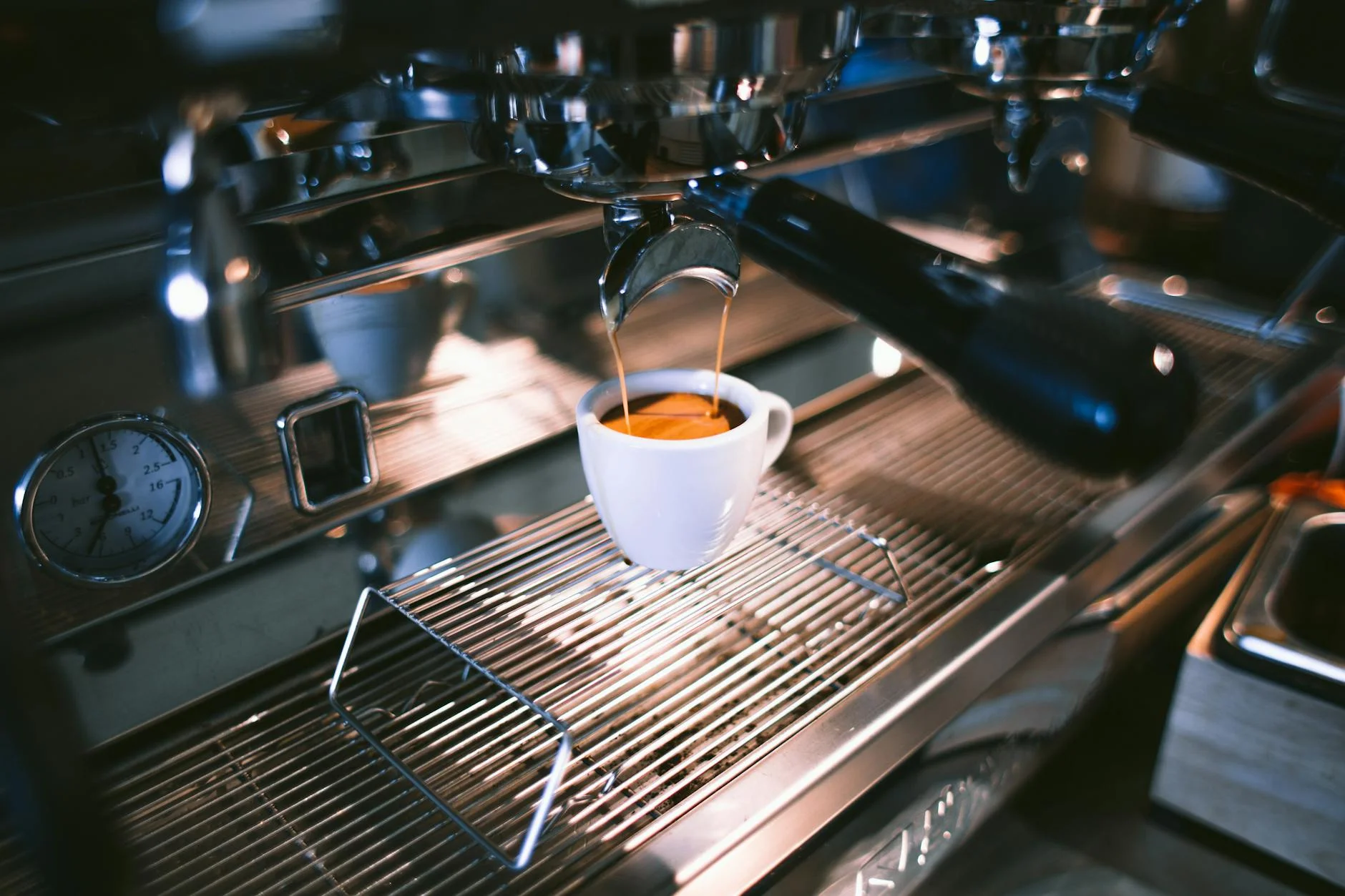
The La Peppina is a marvel of mid-century espresso engineering, a classic manual lever machine cherished for its simplicity and the exceptional control it offers the user. Unlike modern machines with PID controllers and set-it-and-forget-it temperatures, the Peppina’s open-kettle design puts you, the barista, in complete command of the most critical variable in espresso extraction: water temperature. This direct control is both a challenge and a massive opportunity. This article will explore how to harness the unique thermal dynamics of the La Peppina to perfectly handle different coffee roast levels. We will delve into specific techniques for extracting the delicate, bright notes of a light roast, the rich, syrupy body of a dark roast, and the balanced profile of everything in between.
Understanding the La Peppina’s thermal system
Before you can manipulate temperature, you must understand how the La Peppina works. It is not a boiler-driven machine. It features an open kettle that you fill with water and place directly on a heat source, like a stovetop or induction burner. This gives you immediate and direct control over the starting temperature of your brew water. However, the water in the kettle is only one part of the equation. The second, and equally important, part is the large, chromed brass group head.
When you lift the lever, the piston rises and hot water from the kettle flows into the brew chamber inside the group head. This group head starts at room temperature and acts as a significant heat sink, immediately pulling heat from the water. The final temperature of the water that actually hits your coffee puck is a result of the interplay between the initial kettle water temperature and the temperature of the group head. Mastering the La Peppina is essentially mastering this thermal relationship. Your goal is to manage the group head’s temperature to create the ideal brewing environment for your chosen beans.
Profiling for light roasts: Taming the acidity
Light roast coffees are denser and less soluble than their darker counterparts. They are packed with delicate, often fruity and floral, flavor compounds and bright acidity. To properly extract these flavors and avoid a sour, underdeveloped shot, you need a higher brewing temperature. With the La Peppina, this requires a two-pronged approach.
First, heat your water in the kettle to a higher temperature, typically between 96-98°C (205-208°F). This provides the initial thermal energy needed for extraction. Second, and this is the crucial step, you must aggressively preheat the group head to minimize temperature loss. A cold group head will instantly sap the heat from your brew water, leading to under-extraction no matter how hot your kettle is. Effective preheating methods include:
- Warming flushes: Lift the lever without a portafilter in place and let hot water fill the chamber. Push it out and repeat this process 2-3 times to transfer heat into the brass group.
- Immersion: For an even more thorough preheat, you can partially submerge the group head in a separate bowl of hot water before placing the kettle on top.
By bringing the group head up to temperature, you ensure the water hitting the coffee is hot enough to properly extract those complex, bright notes characteristic of a great light roast espresso.
Dialing in dark roasts: Avoiding bitterness
Dark roast beans are the opposite of light roasts in many ways. The roasting process has made them more brittle, porous, and far more soluble. Their flavor profile leans towards chocolate, nuts, and roasty notes, with coffee oils often visible on the surface of the bean. These compounds are extracted very easily, and using high temperatures will quickly lead to over-extraction, resulting in a bitter, ashy, and unpleasant shot.
Here, the La Peppina’s heat sink-like group head becomes your greatest ally. For dark roasts, you want to use a lower initial water temperature. Start with your kettle water around 88-92°C (190-198°F). Critically, you should do little to no preheating of the group head. A single, quick warming flush or even starting with a room-temperature group is often ideal. When the cooler water from the kettle enters the group, its temperature will stabilize at a gentle level perfect for extracting the deep, rich flavors of the dark roast without scorching them. This creates a naturally declining temperature profile during the shot, which is excellent for preserving sweetness and body while avoiding harsh bitterness.
The versatile medium roast and a summary guide
Medium roasts represent the happy middle ground, offering a balance of the acidity found in light roasts and the body and caramelized sweetness of dark roasts. This is where the La Peppina truly shines, as minor adjustments to your routine can significantly influence the final taste in the cup. You can steer the flavor profile by nudging your temperature profile in one direction or the other.
A great starting point for a medium roast is a kettle temperature of 92-95°C (198-203°F) and a moderately preheated group head—perhaps one or two warming flushes. From here, you can experiment. If your shot tastes a bit flat and you want to bring out more acidity and fruit notes, increase the kettle temperature slightly or add an extra warming flush. If you find it’s a little too sharp and you’d prefer to emphasize the chocolate and caramel notes, lower the kettle temperature a degree or two and reduce the preheating. The La Peppina encourages you to be an active participant, tasting and tweaking until you find the perfect expression of the bean.
| Roast Level | Kettle Water Temp | Group Head Prep | Desired Flavor Profile | Common Pitfall to Avoid |
|---|---|---|---|---|
| Light Roast | 96-98°C (205-208°F) | Aggressive preheating (2-3 flushes) | Bright, acidic, floral, fruity | Sourness (under-extraction) |
| Medium Roast | 92-95°C (198-203°F) | Moderate preheating (1-2 flushes) | Balanced, sweet, complex | Experiment to find the sweet spot |
| Dark Roast | 88-92°C (190-198°F) | Minimal to no preheating | Rich, chocolatey, full-bodied | Bitterness (over-extraction) |
Mastering the La Peppina is a rewarding journey into the fundamentals of espresso. Its elegant, simple design gives you unparalleled control over brew temperature, the most impactful variable for flavor. By understanding the relationship between the hot water in the kettle and the thermal mass of the group head, you can create the perfect extraction environment for any coffee. Remember the core principles: go hot and aggressively preheat for bright light roasts to avoid sourness, and go cool with minimal preheating for rich dark roasts to prevent bitterness. For everything in between, you have a spectrum of possibilities to explore. Embrace the process of tasting, adjusting, and experimenting. It is this hands-on approach that unlocks the full potential of your La Peppina and connects you more deeply with every single shot you pull.

 No products in the cart.