

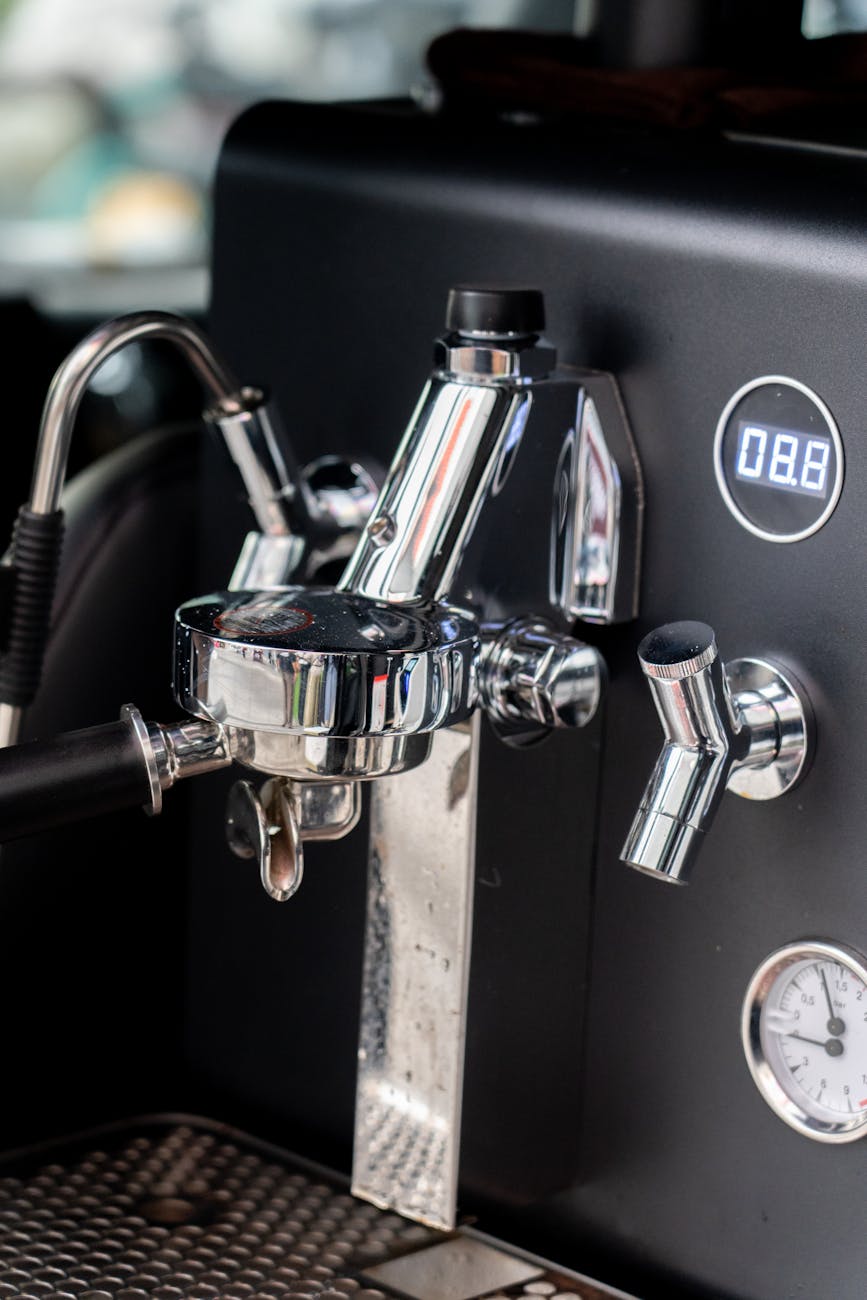
Mastering the classic shot: How to dial in espresso for 45mm baskets
Venturing into the world of vintage espresso machines is a rewarding journey, but it often comes with a unique set of challenges. One of the most significant hurdles is mastering the 45mm filter basket, a common standard in classic lever machines like the La Pavoni Europiccola or the Olympia Cremina. Unlike the modern 58mm baskets found in most commercial and prosumer machines, this smaller format demands a different approach. It’s more sensitive, less forgiving, and requires a precise technique. This guide will walk you through the entire process of dialing in your espresso for a 45mm basket, from understanding its quirks to pulling a balanced, delicious shot that honors the legacy of your vintage machine.
Understanding the 45mm basket’s unique challenges
Before you can pull a great shot, you need to appreciate why a 45mm basket behaves so differently. The primary difference is simple geometry. With a smaller diameter, the coffee puck is naturally deeper for any given dose of coffee compared to a wider 58mm basket. This increased depth has a significant impact on water flow and extraction.
Imagine water being forced through the coffee. In a deep, narrow puck, the water has a longer path to travel. This means there’s more potential for it to find a weak spot and create a “channel,” a small tunnel that allows water to bypass the rest of the coffee grounds. When channeling occurs, some of the coffee is over-extracted (the grounds along the channel), while the rest is under-extracted, resulting in a shot that tastes both bitter and sour. This makes meticulous puck preparation not just a recommendation, but a necessity.
Choosing your dose and preparing the puck
With the basket’s sensitivity in mind, your first step is to establish a consistent foundation. This starts with the dose, or the amount of dry coffee grounds you use.
- Dosing: Vintage 45mm baskets typically hold much less coffee than their modern counterparts. Most are designed for doses between 7 and 12 grams. Overfilling the basket is a common mistake; it leaves no room for the coffee to swell when it gets wet (a phase called “blooming”) and can choke the machine or cause the portafilter to pop out on a lever machine. Start with a conservative dose, such as 8 or 9 grams, and use a scale for accuracy.
- Distribution: Because of the high risk of channeling, evening out the grounds is critical. The Weiss Distribution Technique (WDT), which involves using a small needle tool to stir the grounds and break up clumps, is highly effective here. It ensures there are no dense pockets or empty spaces in the puck.
- Tamping: You will need a tamper that is specifically sized for your 45mm basket. A level, consistent tamp is more important than sheer force. The goal is to create a flat, evenly compacted surface so that water saturates the puck uniformly.
Getting these three steps right creates the best possible canvas for a successful extraction. Rushing your puck prep is the fastest way to get a disappointing shot from these machines.
The art of grinding and setting your ratio
Once your puck is prepped, the two most powerful variables you can adjust are your grind size and your brew ratio. These two factors work together to control the speed of the extraction and the final taste in the cup.
For a 45mm basket, you will likely need to grind finer than you would for a 58mm basket. The smaller dose offers less resistance to the water, so a finer grind is required to slow the shot down and allow for proper extraction. However, this is a delicate balance. Grinding too fine will completely choke the machine, resulting in a few slow, over-extracted drips.
Your brew ratio, the relationship between the weight of your dry coffee (dose) and the weight of your liquid espresso (yield), determines the strength and body of the shot. A great starting point for classic espresso is a 1:2 to 1:2.5 ratio. For example:
- Dose: 9 grams of coffee
- Yield: 18 to 22.5 grams of liquid espresso
- Time: Aim for this to happen in about 25-30 seconds
This recipe provides a solid baseline. From here, all adjustments should be made one at a time, based on how the espresso tastes.
Pulling the shot and interpreting the results
With your parameters set, it’s time to pull the shot. Watch the extraction closely. You’re looking for a steady, even flow that resembles warm honey. If the espresso gushes out or you see streams squirting from the portafilter, you have channeling. If it barely drips, your grind is too fine.
Ultimately, your palate is the final judge. Taste every shot and use what you taste to inform your next adjustment. This process is known as “dialing in.” The key is to change only one variable at a time so you can clearly understand its effect.
Here is a simple table to guide your adjustments:
| If your shot tastes… | The problem is likely… | Try this adjustment first | Or try this second |
|---|---|---|---|
| Sour, thin, acidic (like a lemon) | Under-extraction (water passed through too quickly) | Grind your coffee finer to slow the shot down. | Increase your yield (e.g., from 18g to 20g). |
| Bitter, harsh, burnt, hollow | Over-extraction (water was in contact for too long or channeled) | Grind your coffee coarser to speed the shot up. | Decrease your yield (e.g., from 20g to 18g). |
| Both sour and bitter | Channeling (uneven extraction) | Focus on better puck prep (WDT, level tamp). | Slightly coarsen the grind to reduce resistance. |
By following this methodical process, you can move from a frustrating experience to a predictable and delicious one.
Conclusion
Dialing in espresso on a vintage machine with a 45mm basket is a craft that requires patience and attention to detail. Unlike modern setups, it offers little room for error. The key to success lies in understanding its unique challenges, particularly the deep, narrow coffee puck that is prone to channeling. By meticulously preparing your puck with a consistent dose, careful distribution, and a level tamp, you create the ideal foundation. From there, begin with a standard 1:2 brew ratio and a fine grind, and adjust one variable at a time based on taste. Let your palate be your guide, using the principles of extraction to troubleshoot sour or bitter flavors. It is a rewarding process that connects you more deeply to the art of espresso, yielding shots with a classic character you just can’t find anywhere else.

 No products in the cart.