

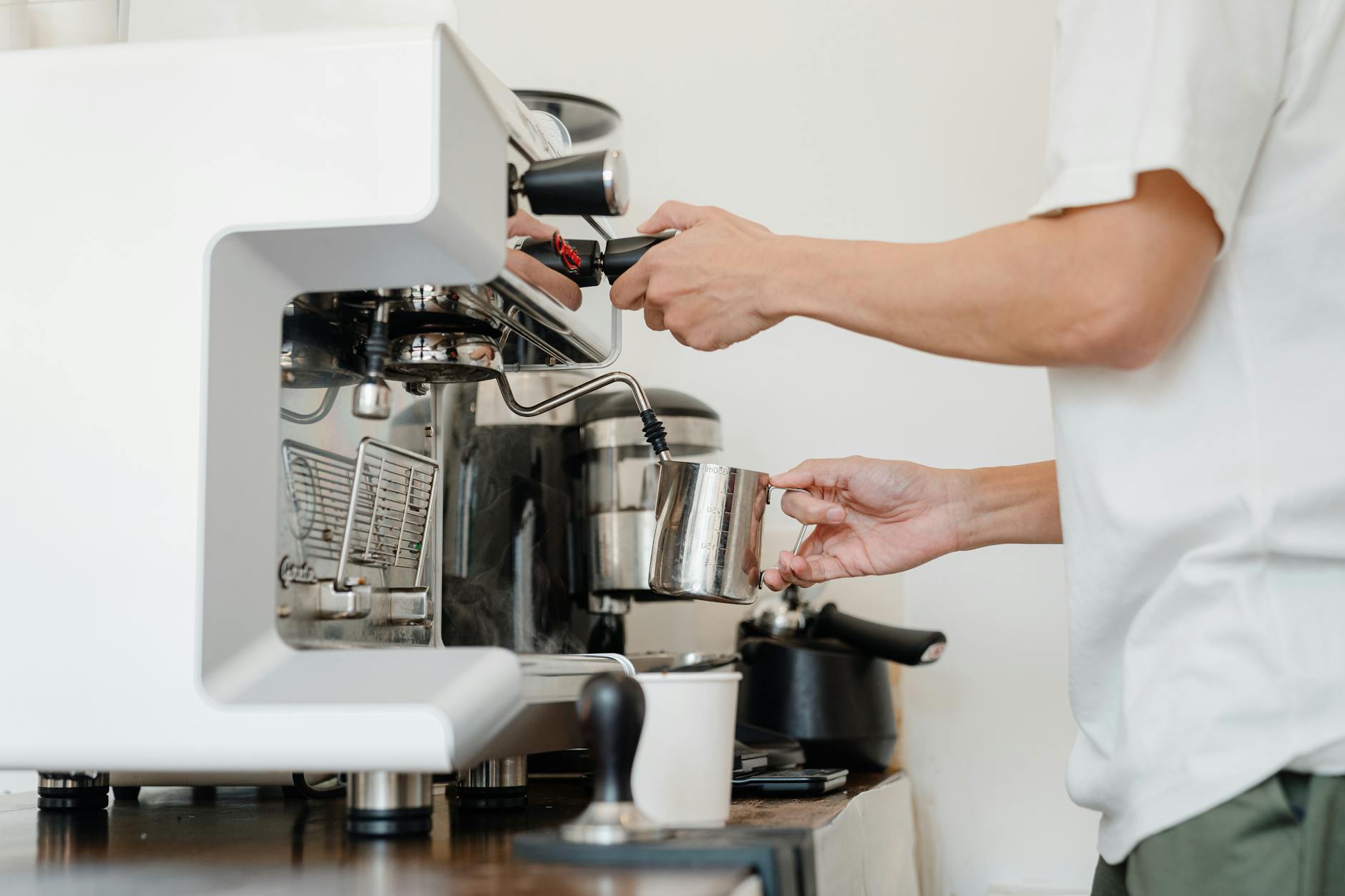
Your guide to troubleshooting low steam pressure on a La Marzocco Home machine
There are few things more satisfying for a home barista than pulling a perfect shot of espresso and steaming silky, velvety milk for a latte or cappuccino. But when you open the steam valve and are met with a weak, sputtering hiss instead of a powerful jet, that satisfaction turns to frustration. Low steam pressure is a common issue that can plague even the most premium machines, including those from La Marzocco Home. The good news is that the cause is often simple and easily fixable. This guide is designed to walk you through a systematic troubleshooting process, from the most basic checks to more specific component diagnostics, helping you restore your machine’s powerful steam performance and get back to making café-quality drinks.
Initial checks and common culprits
Before diving into the machine’s internals, let’s start with the simplest potential causes. Often, the solution is right in front of you. This initial diagnostic phase can save you a lot of time and effort by ruling out the easy-to-fix issues first. Think of this as the foundation of your troubleshooting journey; ensuring these basic elements are correct is crucial before assuming a more complex problem exists.
- Check the pressure gauge: Your first point of reference should be the steam boiler pressure gauge on your machine. For most La Marzocco Home models like the Linea Mini or GS3, you should see the pressure stabilize somewhere between 1.3 and 2.0 bar when fully heated. If the gauge reads low or zero, you know the issue is with the machine’s ability to generate or hold pressure, not just a blockage at the wand.
- Is the steam boiler on? Some models, particularly the GS3, allow you to operate the brew boiler independently from the steam boiler. Check your machine’s settings or app to ensure the steam boiler is enabled and actively heating.
- Water source issues: Your machine needs water to make steam. If you use the built-in reservoir, ensure it’s sufficiently filled. If the water level is too low, a safety sensor will prevent the heating element from turning on to avoid damage. If your machine is plumbed in, check that the water line is open and has adequate pressure.
The steam wand and tip blockage
If your pressure gauge reads a healthy 1.5 bar or higher but the steam coming from the wand is weak, the problem is almost certainly a blockage. The steam wand, and especially its tip, is the most common location for a clog. Milk contains proteins and fats that can bake onto the metal surfaces and harden inside the tiny holes of the steam tip, severely restricting flow. This creates the sensation of low pressure, even when the boiler is perfectly fine. Regular cleaning is not just good practice; it’s essential for performance.
Start by purging the wand for a couple of seconds before and after every use to expel condensation and milk residue. After steaming, immediately wipe the wand with a dedicated damp cloth. For a deeper clean, carefully unscrew the steam tip from the wand (ensure the machine is cool!). Soak the tip in a solution of hot water and a café cleaner like Rinza. Use a paperclip or the small tool provided with many machines to gently poke through each hole and clear any hardened milk. This simple maintenance task is the single most effective way to solve weak steam output.
Diagnosing the vacuum breaker valve
If the machine itself is struggling to build pressure, a common culprit is a faulty vacuum breaker valve. This small but vital component is located on top of the steam boiler. Its job is to release air from the boiler as it heats up (preventing “false pressure”) and to allow air in as it cools down (preventing a vacuum). When it fails, it usually gets stuck open due to scale buildup.
Symptoms of a failing vacuum breaker include:
- A constant hissing sound long after the machine should be fully heated.
- Water or steam leaking from the valve, which on many machines will drain directly and discreetly into the drip tray.
- The machine taking an extremely long time to heat up or failing to reach full steam pressure.
You can often diagnose this by listening. As a healthy machine heats, you’ll hear the vacuum breaker hiss for a few minutes before it “pops” shut. If the hissing never stops, the valve is likely stuck open, constantly bleeding the pressure you’re trying to build. Replacing a vacuum breaker is a common maintenance task that a confident owner can perform, but it does involve opening the machine’s panels. If you’re not comfortable doing so, this is a straightforward job for a technician.
Reviewing PID and pressure settings
Modern La Marzocco Home machines use a PID (Proportional-Integral-Derivative) controller to regulate boiler temperature with incredible precision. Since steam pressure is a direct result of the water temperature in a sealed boiler, an incorrect temperature setting will lead directly to incorrect pressure. It’s possible, though less common, that the setting has been inadvertently changed, especially if you’ve been exploring the machine’s settings via the La Marzocco Home App.
Check the steam boiler temperature setpoint in your app. A lower temperature will result in lower pressure, which might be desirable for certain types of milk or skill levels but can feel weak if set too low. A higher temperature will increase pressure, providing more steaming power. It’s important to understand the standard settings for your machine to determine if yours is out of line.
| Machine model | Default steam temp (approximate) | Resulting steam pressure (approximate) |
|---|---|---|
| La Marzocco Linea Mini | 131°C / 268°F | 1.8 – 2.0 bar |
| La Marzocco GS3 (MP/AV) | 126°C / 259°F | 1.3 – 1.5 bar |
If your settings are significantly lower than these benchmarks, try adjusting them back to the factory default. Make small, incremental changes and give the machine time to stabilize to see the effect on the pressure gauge. If adjusting the setting has no effect on the temperature or pressure, you may have a more serious issue with the temperature probe or the heating element itself, which would require professional service.
Conclusion
Experiencing low steam pressure on your La Marzocco Home machine can be disheartening, but it’s rarely a sign of a catastrophic failure. By following a logical troubleshooting path, you can often identify and resolve the issue yourself. Begin with the most basic observations: check your pressure gauge, ensure the steam boiler is on, and confirm you have enough water. From there, move to the most common culprit—a clogged steam wand tip—which a thorough cleaning will almost always fix. If the problem lies with the machine’s ability to build pressure, investigate the vacuum breaker valve for signs of failure. Finally, verify your PID settings to ensure the machine is commanded to reach the correct temperature. Most issues fall into one of these categories and are well within the grasp of a home user to fix. Remember, consistent cleaning and preventative maintenance are your best defense against future problems.

 No products in the cart.