

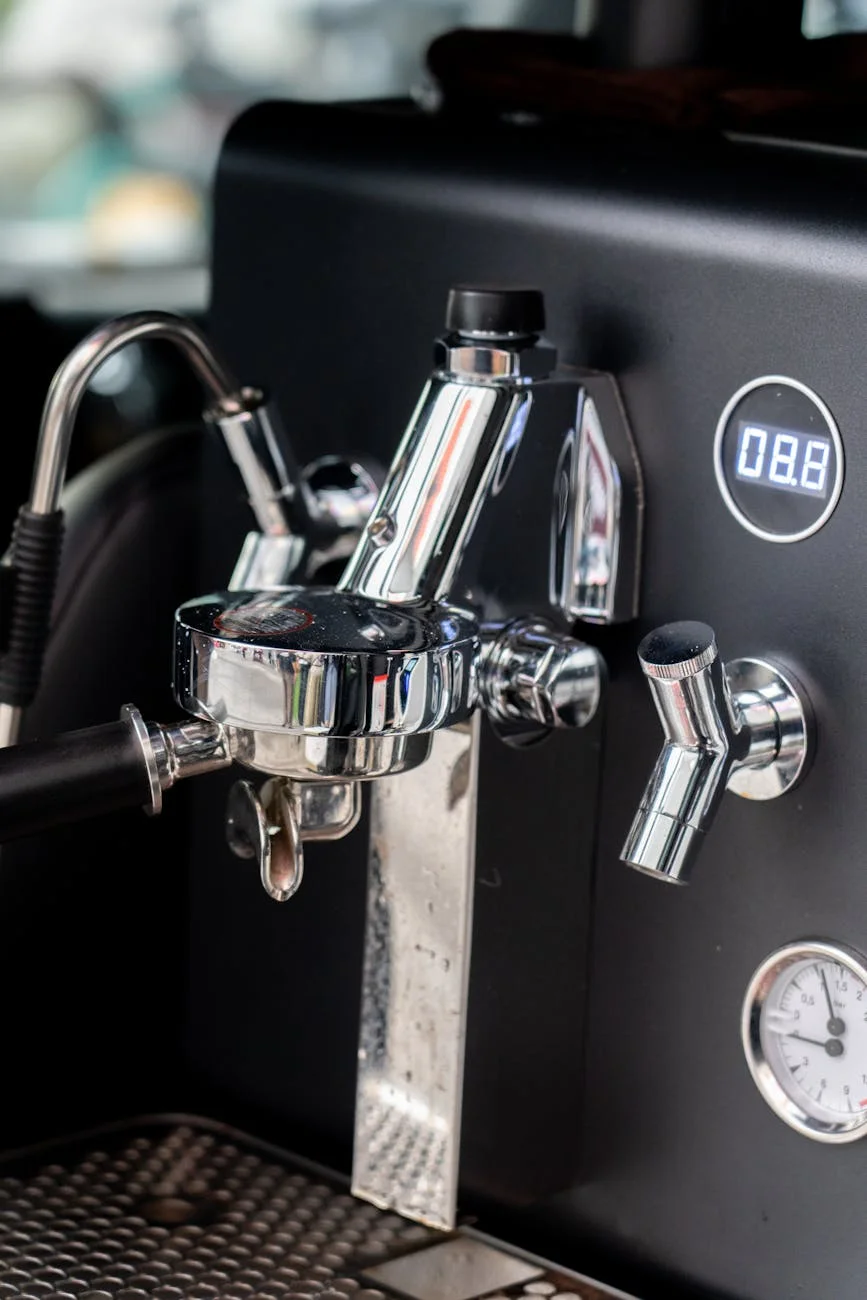
Measure like a pro: Using a refractometer for espresso extraction at home
The quest for the perfect shot of espresso can feel like a moving target. We chase that elusive balance of sweetness, acidity, and body, often relying solely on our taste buds. While taste is the ultimate judge, it can be subjective and inconsistent. What if you could add objective data to your brewing routine? What if you could measure exactly what’s in your cup? This is where a refractometer comes in. This powerful tool, once found only in professional coffee labs, is now accessible to the passionate home barista. This article will guide you through the science of espresso extraction, explaining how to use a refractometer to measure Total Dissolved Solids (TDS) and calculate Extraction Yield, empowering you to diagnose your shots and consistently pull delicious espresso.
What are TDS and extraction yield?
To understand the value of a refractometer, we first need to grasp two fundamental concepts: Total Dissolved Solids (TDS) and Extraction Yield (EY). Think of your ground coffee as a collection of soluble and insoluble materials. When hot water passes through it, it dissolves the soluble flavor compounds. TDS is the measurement of how much of that dissolved coffee stuff is in your final liquid espresso. It’s expressed as a percentage. For example, a TDS of 9.5% means that 9.5% of your espresso’s weight is dissolved coffee solids, and the other 90.5% is water.
Extraction Yield, on the other hand, tells you what percentage of the original dry coffee grounds you successfully dissolved. This is the key metric for evaluating how efficiently you extracted flavor. To find it, you need three numbers: your dose weight (dry grounds), your beverage weight (liquid espresso), and your TDS. The generally accepted ideal range for a balanced extraction is between 18% and 22%. A shot below 18% is likely under-extracted, tasting sour and thin. A shot above 22% is probably over-extracted, resulting in bitter, harsh, and astringent flavors. Measuring these variables removes the guesswork and gives you a target to aim for.
The refractometer: Your espresso analysis tool
So how do we measure TDS? With a digital coffee refractometer. This device works by measuring the refractive index of a liquid. In simple terms, it shines a light through a tiny sample of your espresso. The dissolved solids in the coffee cause the light to bend, or refract. The device measures the angle of this refraction and, using a built-in algorithm, converts it into a TDS percentage. It’s a fast and incredibly precise way to see inside your brew.
While you might see cheaper analog or “Brix” refractometers used for measuring sugar, these are not ideal for coffee. Espresso is a complex solution, and a dedicated coffee refractometer is calibrated to accurately account for the specific acids and oils present. For home use, you don’t necessarily need the most expensive lab-grade models, but investing in a digital refractometer designed for coffee will give you the reliable data you need to make meaningful adjustments to your brewing process.
Step-by-step guide to measuring your espresso
Taking a measurement is a straightforward process once you have the right tools and technique. Precision is key at every step.
What you’ll need:
- A digital scale with 0.1g accuracy
- Your espresso setup (machine, grinder)
- A digital coffee refractometer
- Distilled water (for calibration)
- Syringes and syringe filters (essential for espresso)
- A small cup to catch your shot
The measurement process:
- Calibrate your refractometer. Before each session, place a drop of room temperature distilled water on the prism and press the “zero” or “cal” button. The reading should be 0.0%.
- Measure your dose. Weigh your dry coffee grounds before you tamp. Let’s use 18.0 grams as an example.
- Pull your shot. Place your cup on the scale and pull your espresso to your desired weight. For this example, we’ll aim for a 1:2 ratio, for a final beverage weight of 36.0 grams.
- Prepare the sample. This step is crucial for accuracy. Espresso contains crema (CO2 gas) and tiny, non-dissolved solids that will interfere with the light reading. Let the shot cool for a minute or two, then draw about 1-2 ml into a syringe. Attach a syringe filter and push a few drops of the filtered espresso onto the refractometer’s prism. Filtering removes the interference and gives you a true TDS reading.
- Take the reading. Press the “read” button. Let’s say the device shows a TDS of 9.5%.
Now you have all the data you need: 18g dose, 36g beverage, and 9.5% TDS. It’s time to do the math.
Interpreting the data and dialing in your shot
With your three key numbers, you can now calculate your extraction yield. The formula is simple:
EY (%) = (Beverage Weight x TDS %) / Dose Weight
Using our example numbers:
(36.0g x 9.5%) / 18.0g = 19.0% EY
A result of 19% falls squarely in the ideal 18-22% range. If your shot also tastes great, you’ve found a fantastic recipe! You can now use these numbers (dose, yield, grind size, time, TDS, EY) as a precise target to replicate that perfect shot every single time. But what if your number is off and the taste is too?
This is where the data becomes a diagnostic tool. By correlating your taste experience with the extraction yield, you can make targeted adjustments. The table below provides a basic guide for troubleshooting.
| Problem | Taste Profile | Extraction Yield | Common Solutions |
|---|---|---|---|
| Under-extraction | Sour, acidic, salty, thin body, fast shot | Below 18% |
|
| Over-extraction | Bitter, harsh, dry, astringent, slow shot | Above 22% |
|
Remember, the 18-22% range is a guideline, not a law. Some light-roast coffees might taste best at 23%, while some darker roasts might be more balanced at 17.5%. The ultimate goal is to use the refractometer to understand cause and effect, connecting tangible changes in your technique to measurable results in the cup, and helping you achieve the taste you desire with unparalleled consistency.
Embracing a refractometer in your home coffee routine elevates your brewing from an art to a science. It transforms you from a cook following a recipe to a chef who understands the ingredients. By measuring TDS and calculating extraction yield, you gain a deep, objective understanding of what is happening every time you pull a shot. This data empowers you to troubleshoot issues with precision, moving beyond vague adjustments and making targeted changes to your grind, ratio, and temperature. While your palate will always be the final arbiter of quality, a refractometer is the single best tool for demystifying the brewing process. It allows you to finally quantify what makes a great shot great, and most importantly, gives you the map to find your way back to it again and again.
 No products in the cart.