

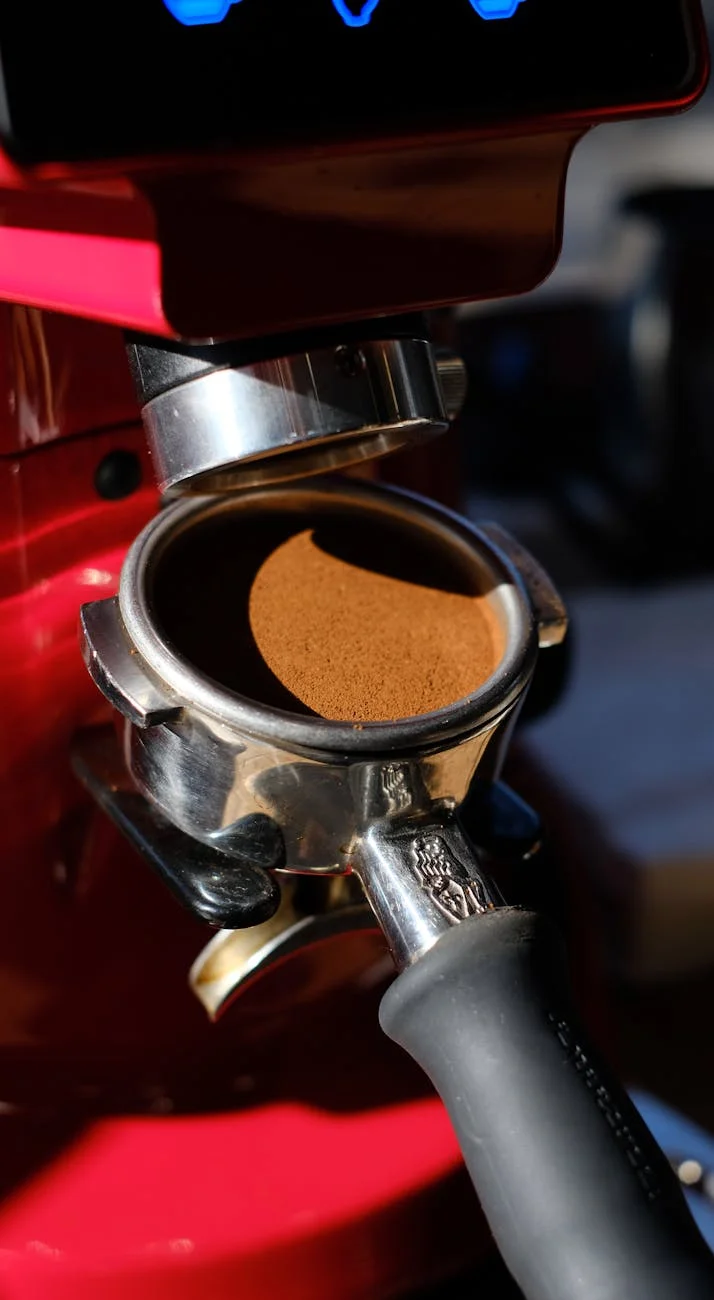
The journey to the perfect espresso is a path paved with variables. We obsess over the coffee beans, the grind size, the water temperature, and the extraction time. Yet, one of the most fundamental components of the brewing process is often overlooked: the filter basket. This small metal cup sitting inside your portafilter is far more than just a holder for your coffee grounds. Its size and geometry are critical factors that directly dictate your dose, influence extraction dynamics, and ultimately shape the flavor profile of your final shot. Understanding the impact of your filter basket is a key step in moving from making good espresso to making truly exceptional espresso, giving you greater control over the body, sweetness, and clarity of your brew.
What is a filter basket?
Before we can explore its impact, it’s essential to understand what a filter basket is and the common types available. Simply put, the filter basket is the perforated metal container that holds the coffee grounds within the portafilter. Water from the group head is forced through these grounds under pressure, extracting the soluble compounds that create espresso.
While they all serve the same basic function, filter baskets are not created equal. They primarily differ in three ways:
- Dose capacity: This is the most obvious difference, typically measured in grams. Baskets are generally categorized as single (7-12g), double (14-22g), or triple (20-30g).
- Wall shape: Baskets can have tapered walls, which are narrower at the bottom, or straight, cylindrical walls. This geometry significantly affects how water flows through the coffee puck.
- Precision vs. standard: Standard baskets that come with most home machines have less uniformity in their hole size and placement. Precision baskets, on the other hand, are manufactured with much tighter tolerances, ensuring every hole is perfectly sized and spaced for a more even and consistent extraction.
These design differences are not just for show; they create a different environment for the coffee puck, which directly leads to changes in how the espresso extracts.
The relationship between basket size, dose, and extraction
The size of your filter basket is the primary constraint on your dose. You can’t fit 20 grams of coffee into a basket designed for 7 grams. This relationship between basket size and dose is the starting point for building your entire espresso recipe. A larger basket necessitates a larger dose of coffee, which in turn demands adjustments to other variables to achieve a balanced extraction.
This is where the concept of brew ratio comes into play. The brew ratio is the relationship between the weight of your dry coffee grounds (the dose) and the weight of the liquid espresso (the yield). For example, a common starting ratio for modern espresso is 1:2. This means for a 18-gram dose, you would aim for a 36-gram yield.
A larger basket allows you to use a larger dose, which means you’ll need a proportionally larger yield to maintain your desired brew ratio. This increased volume of water passing through a deeper coffee puck has a profound effect on extraction dynamics. To pull a larger shot in the ideal 25-35 second window, you may need to adjust your grind size. If you use the same grind setting for a 14g dose and a 20g dose, the 20g shot will likely run too slow (over-extract), tasting bitter and harsh. Therefore, a larger dose usually requires a slightly coarser grind to allow water to pass through the deeper puck at an appropriate rate.
How basket geometry shapes the final flavor
With the connection between size, dose, and extraction established, we can now explore the most important question: how does it taste? The size and shape of the basket create distinct conditions that favor certain flavor profiles.
Single baskets (7-12g) are typically tapered. This shape, combined with a shallow puck depth, makes them notoriously difficult to work with. Water tends to flow faster down the angled sides, creating a high risk of channeling, where water bypasses parts of the coffee puck. This leads to an uneven extraction, often resulting in a shot that is simultaneously sour (under-extracted) and bitter (over-extracted), with a thin body.
Double baskets (14-22g) are the industry standard for specialty coffee for a reason. They usually have straight walls, which promote a much more even flow of water through the entire coffee puck. The deeper, more uniform puck resists channeling better than a single basket, leading to a more consistent and balanced extraction. Shots pulled from double baskets tend to have a fuller body, greater sweetness, and more pronounced flavor clarity. This is the ideal starting point for most home baristas.
Triple baskets (20g+) allow for the largest doses and can produce incredibly intense and syrupy shots. However, the extreme depth of the coffee puck presents its own challenges. It requires a high-quality grinder that can produce a uniform grind without creating too many fine particles, which can clog the basket. Puck preparation must be flawless to avoid channeling. When executed perfectly, a triple basket can yield a rich, powerful shot with a heavy body. If not, it can easily become unbalanced and overwhelmingly bitter.
Choosing the right basket for your coffee
Selecting the right basket isn’t about finding the “best” one, but the best one for your equipment, your coffee, and your taste preferences. A standard, high-quality double basket (in the 18-20g range) is the most versatile and forgiving option for most people. It provides the best foundation for learning to dial in espresso and achieving consistently delicious results.
However, experimenting with different sizes can be a rewarding way to explore your coffee’s potential. A light roast with bright, floral notes might open up beautifully with a larger dose in a 20g basket, allowing for a higher extraction that brings out its sweetness. Conversely, a classic dark roast might taste best as a traditional, short shot from a 14g basket.
The table below summarizes the key characteristics to help guide your choice:
| Basket Type | Typical Dose | Puck Geometry | Key Challenge | Typical Flavor Profile |
|---|---|---|---|---|
| Single | 7-12g | Shallow & Tapered | Uneven extraction, channeling | Often thin-bodied, sour, or unbalanced |
| Double | 14-22g | Deep & Straight-walled | Requires consistent puck prep | Balanced, sweet, full-bodied, clear flavors |
| Triple | 20-30g | Very Deep & Straight-walled | Requires excellent grinder and technique | Intense, syrupy, heavy-bodied, can be overpowering |
Ultimately, your filter basket is a powerful tool. Pay attention to the size basket you are using, dose accordingly, and don’t be afraid to try something new. You might just unlock a new level of flavor in your daily espresso.
Conclusion
In the complex equation of espresso, the filter basket is a defining variable, not a passive component. As we’ve seen, its size and geometry fundamentally determine the dose, which in turn influences the brew ratio, extraction dynamics, and the final flavor profile. Single baskets often lead to uneven extractions, while the standard double basket provides a balanced and consistent foundation perfect for most specialty coffees. Triple baskets offer the potential for intense, syrupy shots but demand precision and high-end equipment. The basket is your canvas; by understanding how different sizes work, you gain an essential layer of control, empowering you to tailor your extraction to perfectly suit your coffee and your palate. Don’t just accept the basket your machine came with; explore the options.
 No products in the cart.