

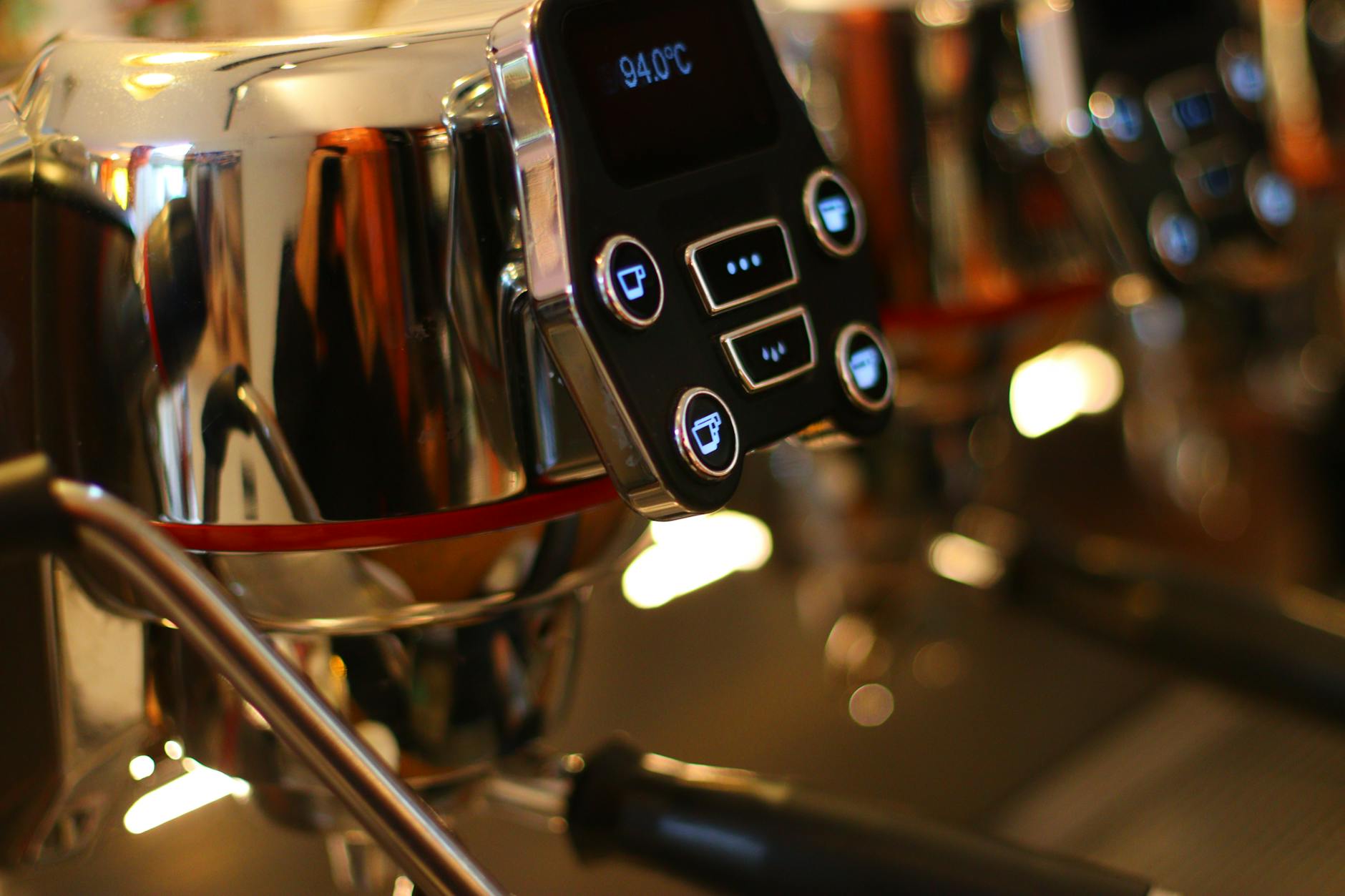
The quest for the perfect espresso shot is a journey of precision, where every variable matters. From the grind size to the tamping pressure, baristas meticulously control each step. However, one of the most critical and often misunderstood variables is brew temperature stability. The temperature of the water as it hits the coffee grounds profoundly impacts the final taste in the cup. A key component at the heart of this challenge is the espresso machine’s group head. This article will explore a specific and highly regarded design: the saturated group head. We will examine what it is, how it works, and why it is considered the gold standard for achieving unparalleled temperature stability during extraction.
The pivotal role of temperature in espresso extraction
Before diving into the mechanics of group heads, it’s essential to understand why temperature is so important. Coffee extraction is a chemical process where hot water dissolves soluble flavor compounds from ground coffee. The temperature of that water acts as a catalyst, directly influencing which compounds are extracted and at what rate.
Even a small fluctuation of one or two degrees can have a dramatic effect:
- Too low: Water that is too cool will under-extract the coffee, resulting in a sour, acidic, and thin-bodied shot. It fails to pull out the desirable sugars and deeper flavor notes.
- Too high: Water that is too hot will over-extract the coffee, dissolving bitter and astringent compounds. This leads to a harsh, burnt, and unpleasant taste.
The group head is the final gateway for the brew water before it makes contact with the coffee puck. If the group head is cooler than the water coming from the boiler, it will sap heat at the most critical moment, causing a temperature drop and inconsistent extraction. Therefore, maintaining the group head at the target brew temperature is paramount for shot-to-shot consistency.
What is a saturated group head?
A saturated group head is a design where the group head is essentially an extension of the brew boiler itself. Unlike other designs where the group head is a separate component bolted onto the machine, a saturated group is integrated directly into the boiler’s hydraulic circuit. This means that the hot water from the brew boiler continuously circulates through the metal of the group head, keeping it constantly “saturated” with water at the precise target temperature.
This design was pioneered and popularized by manufacturers like La Marzocco and has become a hallmark of high-end commercial and prosumer espresso machines. It stands in contrast to more traditional designs, such as the famous E61 group head. The E61, while an iconic and effective design, relies on a thermosiphon system. In a thermosiphon, water circulates passively through the group head from the boiler due to convection, heating a large, separate mass of brass. While this creates good thermal mass, it is an indirect heating method compared to the direct integration of a saturated group.
How saturated groups deliver superior thermal stability
The genius of the saturated group head lies in its elegant solution to thermal management. By making the group an active part of the boiler, it creates an incredibly large and stable thermal mass. When a shot is pulled, cold water from the mains enters the system to be heated. In less stable systems, this can cause a temporary temperature drop in the boiler and, consequently, at the group.
In a saturated system, the sheer volume of hot water and heated metal in the integrated group-and-boiler assembly acts as a powerful buffer. It resists temperature changes far more effectively. The temperature drop during the 25-30 second extraction is minimal, often less than a single degree. This ensures that the water temperature hitting the coffee at the beginning of the shot is virtually identical to the temperature at the end. This level of stability, especially when paired with a modern PID (Proportional-Integral-Derivative) temperature controller, provides baristas with ultimate control and repeatability.
A comparison of group head designs
To better understand the advantages of a saturated group, it’s helpful to compare it directly with other common designs. Each has its own characteristics regarding performance, complexity, and cost.
| Feature | Saturated Group Head | E61 Group Head | Integrated/Semi-Saturated Group |
|---|---|---|---|
| Heating method | Directly integrated with the brew boiler. Water circulates through it. | Indirectly heated by a passive thermosiphon loop from the boiler. | Group is bolted directly to the boiler, heated by conduction. |
| Temperature stability | Excellent. Minimal fluctuation during and between shots. | Good. Can be stable but requires flushing (“cooling flush”) to manage temperature. Prone to variation. | Fair to good. Better than basic consumer machines but less stable than E61 or saturated designs. |
| Warm-up time | Moderate to long (20-40 minutes). The entire mass needs to heat up. | Long (30-60 minutes). The large external brass component takes time to stabilize. | Fast (10-20 minutes). Less external mass to heat. |
| Complexity and cost | High. Complex to manufacture, leading to a premium price. | Moderate. Involves mechanical pre-infusion parts. Widely produced. | Low. Simpler design, often found on entry-level prosumer machines. |
In conclusion, understanding the technology behind an espresso machine is key to mastering the craft of coffee. The saturated group head represents a significant engineering achievement aimed at solving one of espresso’s most fundamental challenges: temperature stability. By integrating the group head with the brew boiler, it creates a thermally stable environment that is second to none. This design minimizes temperature fluctuations during extraction, allowing for a more consistent and repeatable process. While machines featuring this technology command a higher price, the investment translates directly into quality and control. For a commercial café demanding consistency across hundreds of shots or a home enthusiast chasing the perfect extraction, the benefits of a saturated group head are clear and profound.


 No products in the cart.