

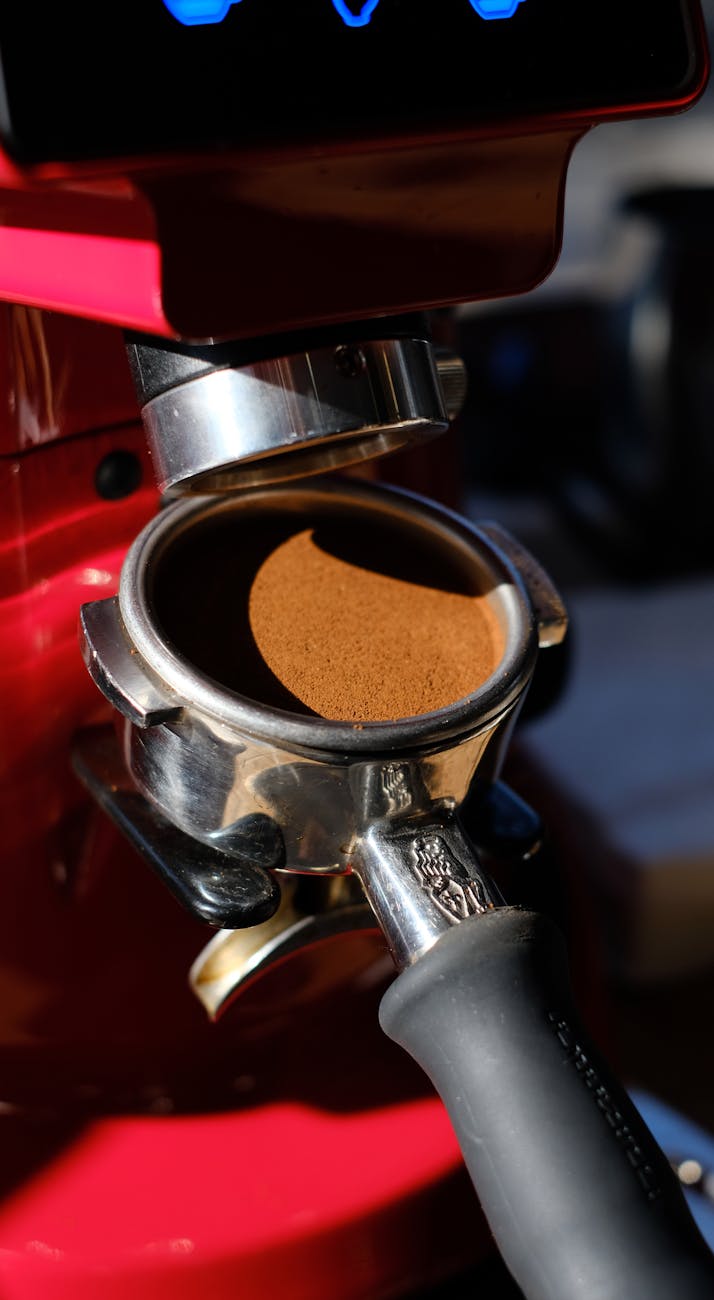
Unlock perfect espresso: The ultimate guide to basket prep for E61 precision filters
You’ve invested in a beautiful E61 espresso machine and upgraded to a high-performance precision filter basket, yet your shots are still inconsistent. One is sweet and balanced, the next is sour and watery. The culprit is often not the machine or the beans, but what happens in the few crucial seconds before you lock in the portafilter. Meticulous basket preparation, or ‘puck prep’, is the secret weapon for taming the unforgiving nature of precision filters. These baskets are engineered for superior extraction, but they demand a flawless coffee bed to perform. This guide will delve into the essential techniques, from distribution to tamping, that transform a frustrating experience into a repeatable ritual for achieving café-quality espresso at home.
What makes a precision filter so demanding?
Standard filter baskets that come with most espresso machines are designed to be forgiving. They often have slightly less uniform holes, which can mask minor flaws in your puck preparation. A precision filter, like those from brands such as VST or IMS, is a different beast entirely. It’s engineered with a focus on consistency. The key difference lies in the manufacturing process, resulting in holes that are incredibly uniform in size, shape, and distribution across the entire surface of the basket. This design promotes a more even flow of water through the coffee grounds.
However, this engineering precision creates a double-edged sword. While it has the potential for a much higher and more even extraction, it will also ruthlessly expose any imperfections in your coffee puck. If there is a clump of grounds or a slightly less dense area, water will exploit it as a path of least resistance. This causes channeling, where water bypasses most of the coffee and gushes through these weak spots, leading to a shot that is simultaneously sour (under-extracted) and bitter (over-extracted in the channels). Therefore, a precision basket doesn’t make espresso easier; it raises the ceiling for quality but demands a more precise technique to reach it.
The core trio of basket preparation
Achieving a uniform coffee bed to satisfy a precision filter comes down to three critical stages: dosing, distributing, and tamping. Skipping or rushing any of these steps is a recipe for an inconsistent shot. It all begins with an accurate dose. Using a scale to weigh your coffee grounds is non-negotiable. It establishes a consistent foundation for every shot, allowing you to make controlled adjustments to your grind size. A dose that is too large can press against the shower screen, fracturing the puck, while a dose that is too small can leave too much headspace, leading to a soupy, under-extracted puck.
Next comes distribution, arguably the most important step for precision filters. After grinding, coffee is often clumpy and unevenly settled in the basket. The Weiss Distribution Technique (WDT) is essential here. This involves using a tool with very fine needles to stir the grounds, breaking up all clumps and evenly distributing them throughout the basket. This action eliminates density variations and creates a fluffy, homogenous bed of coffee, preventing the water from creating channels during extraction.
From leveling to tamping: creating the perfect puck
After WDT has de-clumped and distributed the grounds, the surface will be fluffy but uneven. The next step is to create a level surface before tamping. Some baristas gently tap the side of the portafilter, while others prefer using a distribution tool (often called a ‘spinner’ or ‘leveler’). This tool rests on the rim of the basket and has a shallow wedge that grooms the surface of the coffee as you spin it, ensuring it’s perfectly flat. This step is crucial because an unlevel surface will lead to an unlevel tamp, and consequently, an uneven extraction.
Finally, we tamp. The goal of tamping isn’t to press as hard as you can, but to apply firm, even pressure to compact the coffee grounds into a level and uniformly dense puck. The key is consistency. Use a high-quality, calibrated tamper that fits your precision basket snugly to avoid edge-channeling. Ensure you are tamping perfectly straight down. A tilted tamp will create one side that is denser than the other, encouraging water to flow faster through the less dense side. A level, consistent tamp on a well-distributed bed of coffee is the final seal on your prep work, giving your espresso the best possible chance for a perfect, even extraction.
Troubleshooting common extraction issues
Even with a meticulous routine, you may encounter issues. Understanding how to diagnose them based on what you see and taste is key to refining your technique. Channeling, visible as fast, blond streams or spurts from the bottom of a naked portafilter, is the most common enemy. The table below links common problems to their likely causes in your basket prep, helping you pinpoint where to adjust your workflow.
| Observed Issue | Taste Profile | Likely Basket Prep Cause | Solution |
|---|---|---|---|
| Shot runs too fast; spurting from portafilter | Sour, thin, weak | Uneven distribution; clumps in the coffee bed creating channels. | Implement or improve your WDT. Ensure all clumps are gone. |
| One side of the puck is wet and soggy post-extraction | A mix of sour and bitter | Uneven tamping pressure or an unlevel coffee bed before tamping. | Focus on a level tamp. Consider a leveling tool before tamping. |
| A “donut” extraction (flows from edges first, center is dry) | Often bitter | Grounds are pushed to the edges during distribution or tamping. | Adjust your distribution technique to be more gentle and even. |
| Shot chokes the machine and runs too slow | Overly bitter, harsh | Grind is too fine, or dose is too high for the basket. | Coarsen the grind slightly or reduce the dose by 0.5g. |
Conclusion
Upgrading to an E61 precision filter is an excellent step toward elevating your home espresso, but it’s only half the battle. These baskets are not a magic bullet; they are high-performance tools that demand a high-performance workflow to match. As we’ve explored, the path to a truly balanced and repeatable shot lies in meticulous basket preparation. It’s a chain of events where every link is vital: a precise dose sets the stage, thorough WDT eliminates hidden flaws, and a level, consistent tamp creates the perfect canvas for extraction. By embracing this detailed process, you are no longer leaving your espresso to chance. You are taking direct control over the variables, transforming your E61 machine from a source of frustration into a reliable partner for crafting exceptional coffee, every single time.


 No products in the cart.