

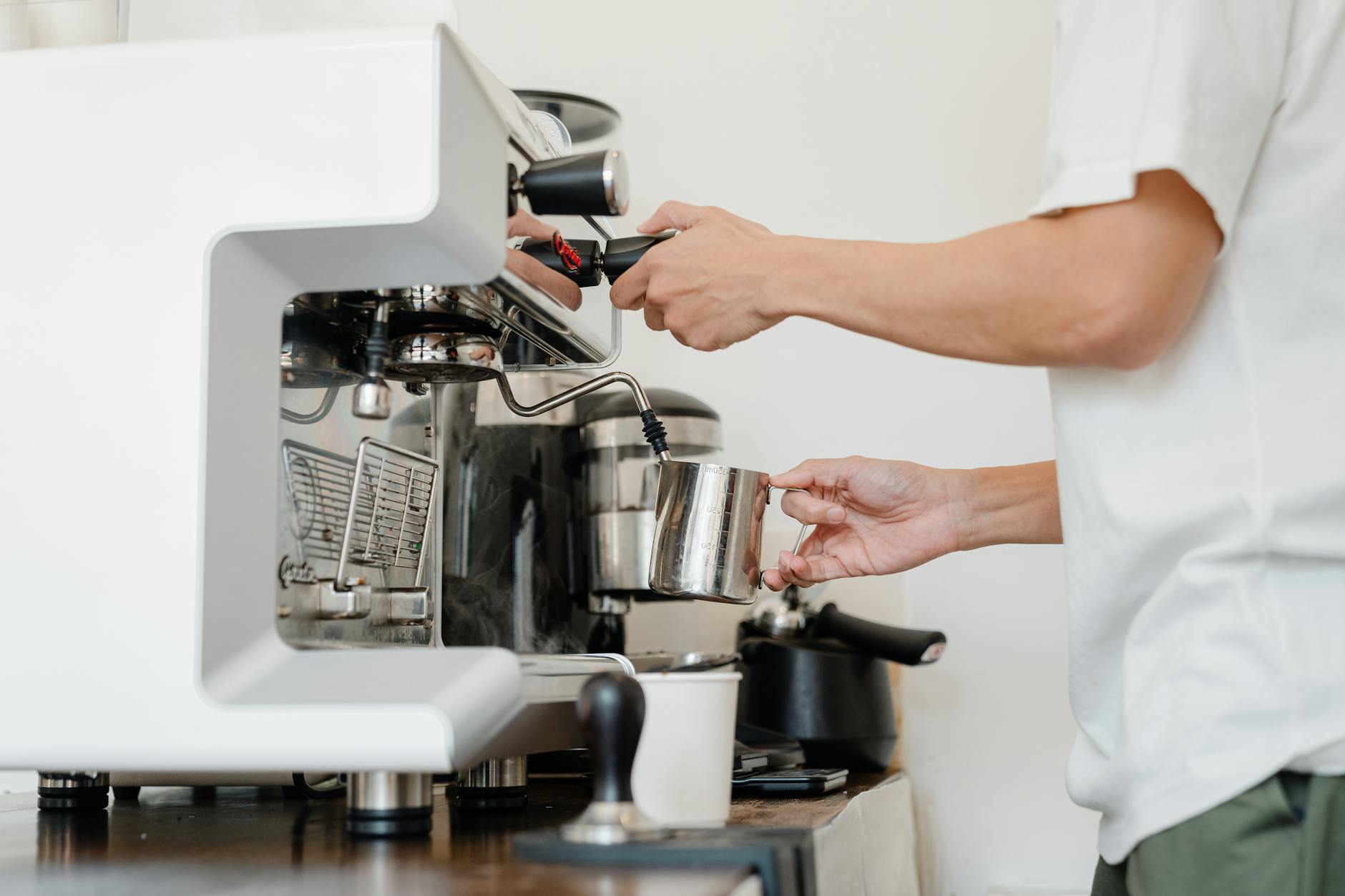
The La Pavoni lever espresso machine is an icon of Italian design and a testament to the art of manual coffee making. For its devoted users, pulling the perfect shot is only half the battle. The other half lies in mastering the steam wand to create silky, luscious microfoam for cappuccinos and lattes. A critical, yet often misunderstood, factor in this process is the machine’s boiler pressure. This single variable dictates the power, temperature, and quality of your steam. In this article, we will delve deep into the impact of boiler pressure on La Pavoni steam performance, exploring how different pressure levels affect your milk, how to manage this crucial setting, and ultimately, how it translates to the quality of the drink in your cup.
What is boiler pressure and why does it matter?
At its core, a La Pavoni is a simple machine. A heating element boils water inside a sealed chamber, creating both hot water for brewing and steam for frothing. The relationship between the temperature and pressure inside this boiler is governed by fundamental physics. As the water temperature rises above its boiling point (100°C or 212°F), it generates steam, and because it’s in a sealed container, this steam builds pressure. Higher temperature directly translates to higher pressure.
Why is this important for steaming milk? The pressure inside the boiler is a measure of the stored energy. When you open the steam valve, this pressurized steam is released at high velocity. Higher pressure means more stored energy, resulting in a more powerful and “drier” steam jet. “Dry” steam has a higher ratio of gaseous water vapor to liquid water droplets. This dry, energetic steam is essential for two key actions in the milk pitcher:
- Stretching: Injecting air into the milk to create fine bubbles (the “foam” part of microfoam).
- Texturing: Creating a vortex in the pitcher to break down larger bubbles and fold the aerated milk into a homogenous, silky texture.
Without adequate pressure, the steam will be weak and wet, making it nearly impossible to create the velvety microfoam required for latte art and a truly integrated milk-based coffee drink.
Finding the sweet spot: Low vs. high pressure steaming
Not all pressure is created equal. The performance of your steam wand changes dramatically across the pressure spectrum. For a La Pavoni, a machine known for its nuanced behavior, finding the right pressure range is key to consistent results. Too low, and your milk will be bubbly and under-textured. Too high, and you risk scalding the milk before you’ve even had a chance to work with it.
Most experienced La Pavoni users agree that the ideal range for steaming lies somewhere between 0.8 and 1.2 bar. Below this range, performance suffers significantly. The steam is often “wet,” meaning it introduces too much hot water into the milk, diluting the flavor and hindering foam creation. It lacks the power to create a proper vortex, leading to a stratified result of hot milk with a stiff, soapy foam floating on top.
Conversely, operating at the higher end of this range (or slightly above) provides a powerful, dry jet of steam that can texture milk quickly and effectively. This is where the magic happens, allowing you to create glossy, paint-like microfoam. The challenge here is control; the process is much faster, requiring a steady hand and quick reflexes to avoid overheating the milk.
| Pressure Level | Steam Quality | Performance Characteristics | Resulting Milk Texture |
|---|---|---|---|
| Low (0.5 – 0.7 bar) | Wet & Weak | Slow steaming, difficult to create a vortex, adds excess water to milk. | Bubbly, stiff, “soapy” foam that separates from the milk. |
| Optimal (0.8 – 1.2 bar) | Dry & Powerful | Fast and efficient, easily creates a vortex for texturing, minimal water addition. | Silky, glossy microfoam ideal for latte art and integrated drinks. |
| High (1.3+ bar) | Very Dry & Very Powerful | Extremely fast, can be difficult for beginners to control, high risk of scalding milk. | Can produce excellent microfoam, but requires advanced technique. |
How to control and read your machine’s pressure
Managing boiler pressure on a La Pavoni depends heavily on the model you own. The machines generally fall into two categories: those with a pressurestat and those without.
Models equipped with a pressurestat (typically post-millennium versions) automate the process. A pressurestat is a switch that turns the heating element on and off to maintain pressure within a specific range, or “deadband.” For example, it might turn the heater on at 0.8 bar and off at 1.0 bar. These are often adjustable, allowing the user to set their preferred steaming pressure.
Older models without a pressurestat require manual control. The user must monitor the machine and cycle the power switch on and off to keep the pressure in the desired range. This technique, often called “temperature surfing,” relies more on listening to the machine’s hisses and watching its behavior. For these machines, installing an aftermarket boiler pressure gauge is one of the most valuable upgrades you can make. It transforms pressure management from guesswork into a precise science, allowing you to know exactly when your machine is ready to steam.
Regardless of your model, always remember to purge the steam wand for a second or two before placing it in the milk. This clears out any condensed water that has collected in the wand, ensuring you start with the driest steam possible.
From pressure to perfection in your cup
Ultimately, the obsession with boiler pressure is about one thing: the quality of the final drink. The difference between a cappuccino made with poorly textured milk and one made with perfect microfoam is night and day. Low-pressure steaming results in a disconnected drink. You get a layer of airy foam, then a layer of hot milk, then the espresso at the bottom. The flavors and textures never truly combine.
When you achieve that silky microfoam, made possible by optimal steam pressure, it integrates completely with the espresso. The crema and milk blend into a single, velvety liquid. The sweetness of the properly heated milk balances the intensity of the espresso, creating a harmonious and complex flavor profile. This is also the foundation of latte art. The fine, homogenous texture of the microfoam is what allows it to be poured into intricate designs, turning your daily coffee into a small work of art. Mastering your La Pavoni’s pressure is a direct investment in the quality and enjoyment of every milk-based drink you prepare.
In conclusion, boiler pressure is not a minor detail in the operation of a La Pavoni; it is the very engine that drives steam performance. We’ve seen that pressure is directly tied to the energy and dryness of the steam, which are the essential ingredients for creating high-quality microfoam. While low pressure yields weak, wet steam and disappointing results, a higher pressure within the optimal 0.8 to 1.2 bar range provides the power needed for silky, integrated milk. Whether you manage this through a modern pressurestat or by manually surfing an older model with a pressure gauge, taking control of this variable is paramount. Understanding and manipulating boiler pressure elevates the La Pavoni from a simple espresso maker to a versatile tool for crafting cafe-quality beverages at home.

 No products in the cart.