

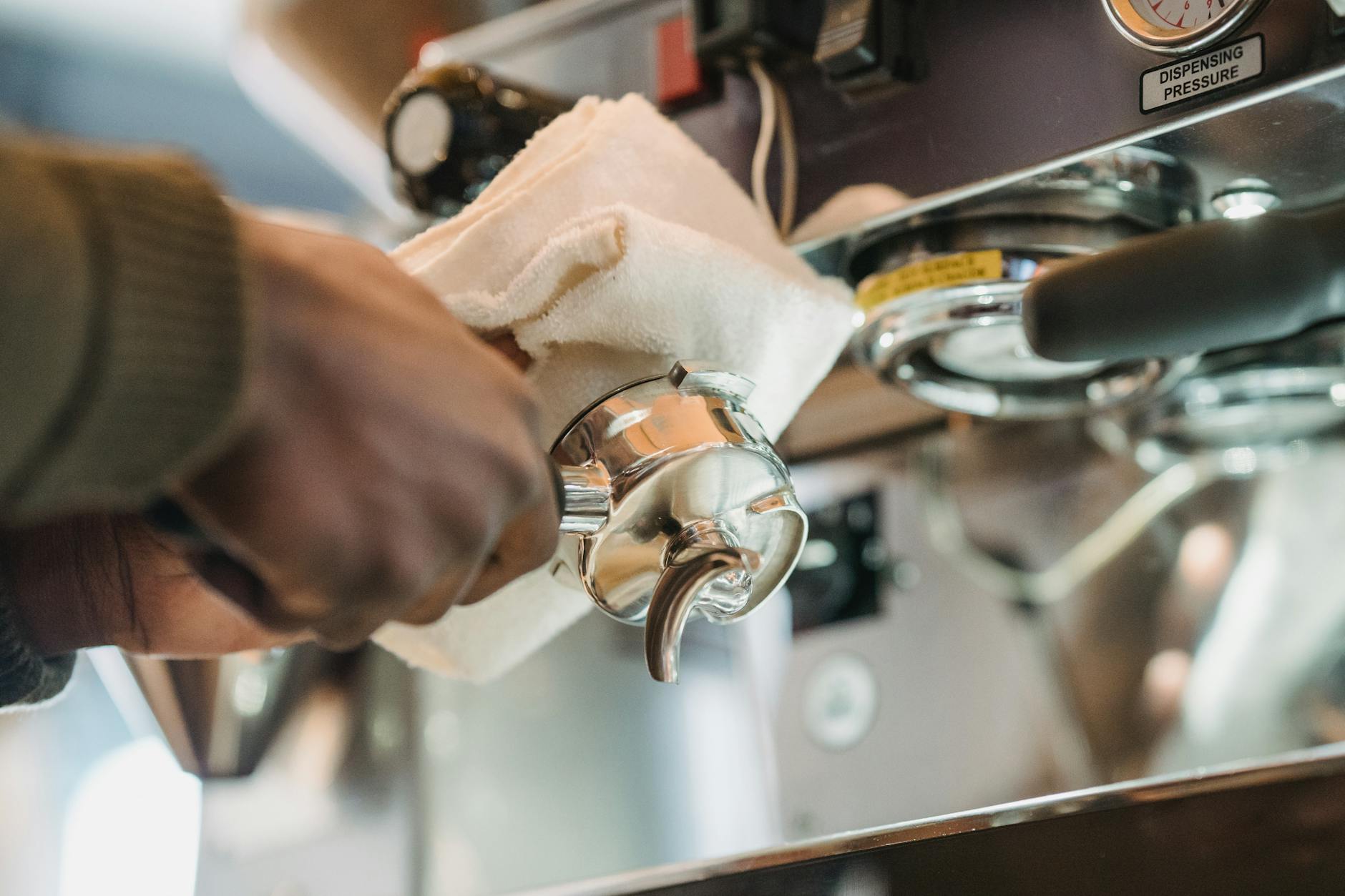
The La Pavoni lever espresso machine is an icon, celebrated for the direct, tactile connection it offers between the barista and the coffee. Pulling the perfect shot is a rewarding experience, but what happens when that satisfying resistance in the lever is replaced by a soft, squishy sensation? This “sponginess” is a common issue that can frustrate even seasoned users. It’s a clear sign that something is amiss in the pressure dynamics of your machine, leading to under-extracted and disappointing espresso. This guide is here to help you demystify that spongy feeling. We will walk you through a systematic process to diagnose the root causes, from simple operational errors to routine maintenance needs, and provide clear, actionable steps to fix them.
Understanding the ‘spongy’ lever phenomenon
Before we can fix the problem, it’s crucial to understand what you’re feeling. A proper La Pavoni pull should have a distinct rhythm. As you lift the lever, the group head fills with water. When you press down, you should feel a firm, building resistance as the water is forced through the compressed puck of coffee. A spongy lever feels different. It lacks that initial firmness and might feel soft, bouncy, or like you’re compressing a spring before any real work gets done. You might push the lever down a fair bit before you feel significant back-pressure from the coffee puck.
This is more than just a tactile issue; it’s a direct indicator of a flawed extraction. The sponginess is caused by something compressible in the system that shouldn’t be there. In an ideal pull, the piston pushes incompressible water against the coffee puck. When sponginess occurs, you are first compressing something else, most commonly air or excess steam. This robs the coffee puck of the immediate, stable pressure required for a rich and even extraction, often resulting in a fast, watery, and sour shot.
The primary culprit: Trapped air and false pressure
The most frequent cause of a spongy lever, especially on a freshly heated machine, is trapped air creating “false pressure.” When your La Pavoni heats up, the water in the boiler turns to steam, creating pressure. However, any air that was in the boiler when you filled it also gets heated and expands, adding to the pressure reading on your gauge. This is false pressure because air is far more compressible than steam or water.
If this air gets into the group head, you will be compressing it with the lever before you even begin to push water. The fix is simple and should become part of your regular startup routine: purging.
How to purge false pressure:
- Let your machine heat up until the pressure gauge reaches your target, typically around 0.8 to 1.0 bar.
- Place a cup or pitcher under the steam wand.
- Fully open the steam wand valve. You will hear an initial, aggressive hiss of air escaping. This will soon be followed by wet, sputtering steam, and then a strong, dry jet of steam.
- Let the pressure bleed until the gauge reads close to zero.
- Close the steam wand and allow the machine to heat back up. The pressure you now have is pure, stable steam pressure.
After purging the boiler, it’s also good practice to lift the lever just until you hear a slight hiss of water entering the group, then lower it. This purges any air trapped in the group head itself right before you lock in your portafilter for the shot.
Investigating mechanical issues: Seals and gaskets
If you’ve diligently purged false pressure and the lever still feels spongy, the next step is to look at the mechanical heart of the group head: the piston seals. These two rubber or silicone gaskets create a seal against the inside of the group head wall. Their job is to ensure that when you push the piston down, all the water is forced through the coffee puck and doesn’t leak back up past the piston.
Over time, these seals harden, shrink, and wear out. A worn seal will fail to create a perfect seal, allowing water to bypass the piston during the pull. This leak reduces the pressure being applied to the coffee and creates that soft, spongy feeling. Other tell-tale signs of failing piston seals include water dripping from the top of the group head (around the lever pin) or a lever that won’t stay in the up position on its own.
Fixing this involves replacing the piston seals, a standard maintenance task for any La Pavoni owner. While it may sound intimidating, it is a straightforward process of disassembling the group head, removing the old, hardened seals, and installing new, properly lubricated ones. Always use a food-safe silicone lubricant on the new seals to ensure a smooth operation and a good seal.
| Symptom | Potential Cause | Solution |
|---|---|---|
| Spongy feel, especially at start of pull | Trapped air / False Pressure | Purge steam wand before pulling shot |
| Spongy feel and water dripping from top of group | Worn Piston Seals | Replace piston seals and lubricate |
| Lever feels soft and shot runs very fast | Poor Puck Preparation | Grind finer, check dose, improve distribution/tamp |
| Lever drops on its own from the up position | Worn Piston Seals | Replace piston seals and lubricate |
The final check: Coffee puck preparation
Let’s assume your machine is now free of false pressure and your seals are in perfect condition. If you still experience a soft pull, the problem may not be the machine at all, but your coffee. The resistance you feel in the lever is the back-pressure created by the finely ground, tamped coffee puck. If this puck is not prepared correctly, it cannot provide the necessary resistance for a proper extraction.
Consider the following variables:
- Grind size: If your coffee is ground too coarsely, water will rush through it with little effort. This lack of resistance will translate to a soft, spongy, and unsatisfying lever feel, producing a fast and sour shot. The solution is to adjust your grinder to a finer setting.
- Dose amount: Under-dosing your basket leaves too much headspace, which can lead to a soupy puck that offers little resistance. Ensure you are using the appropriate weight of coffee for your specific filter basket.
- Distribution and tamping: An unevenly distributed or poorly tamped puck will lead to channeling. This is when water finds a path of least resistance and “channels” through a crack or soft spot in the puck, avoiding the rest of the coffee. This causes a sudden loss of pressure during the pull, which can feel like a spongy spot in the lever’s travel. Focus on even distribution and a level tamp to create a uniform, solid puck.
By approaching the problem systematically, the spongy lever can be easily conquered. Start with the simplest and most common issue: purging false pressure from the boiler and group head. This simple step, integrated into your daily routine, solves the problem for most users. If the issue persists, evaluate your puck preparation techniques. A finer grind or better distribution can make a world of difference to the resistance you feel. Finally, if all else fails, it’s time to perform routine maintenance by inspecting and replacing your piston seals. Addressing these elements not only fixes the sponginess but also deepens your understanding of how this wonderful machine works, empowering you to pull consistently delicious shots of espresso with that satisfying, firm feedback you expect from a La Pavoni.
 No products in the cart.