

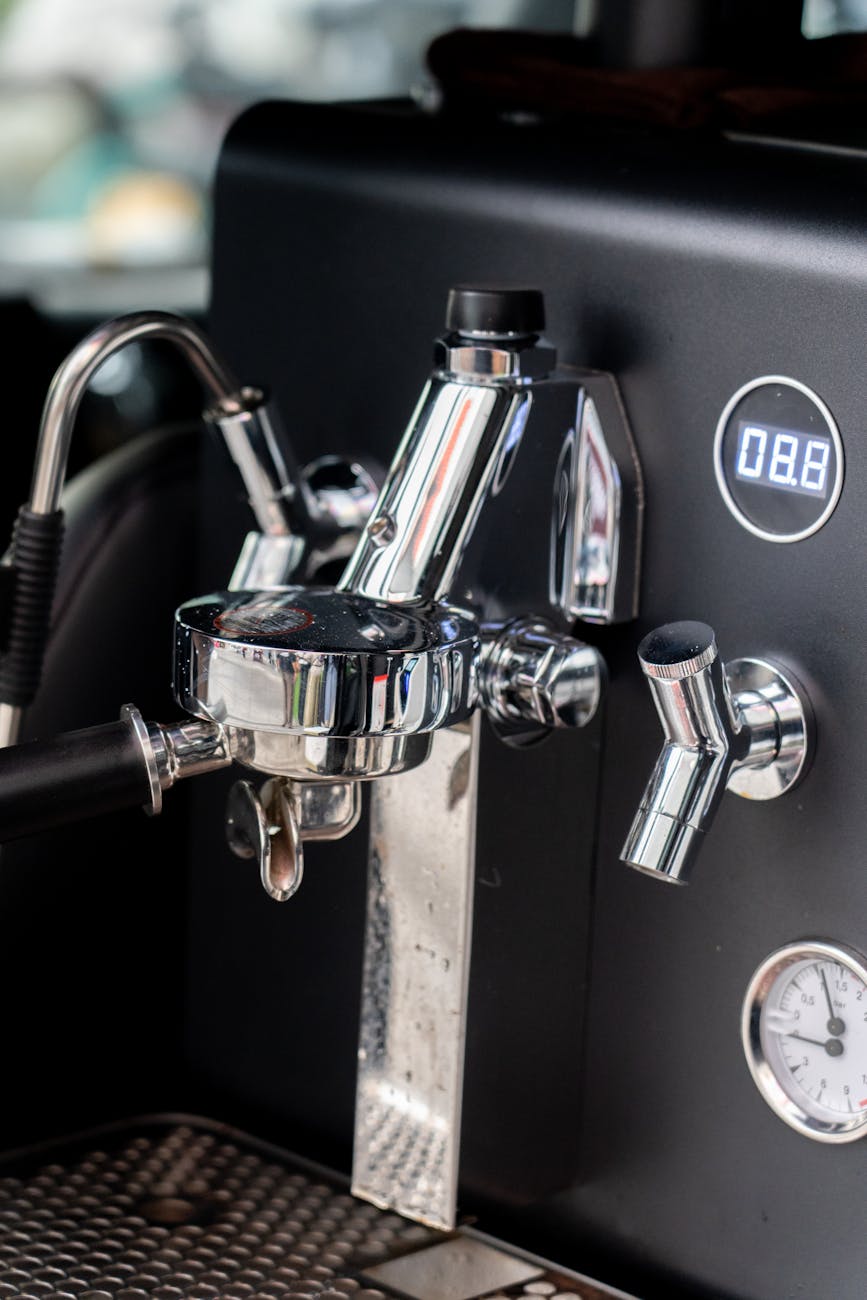
The legendary E61 grouphead is an icon of espresso history, celebrated for its role in creating thermal stability. Its heavy brass construction and passive thermosyphon system are designed to maintain a consistent temperature, crucial for extracting the perfect shot. However, this system doesn’t operate in a vacuum. It exists within your kitchen, a space with a fluctuating ambient temperature. Many E61 owners, especially those new to the design, are often puzzled by why their machine behaves differently in the summer compared to the winter. This article will delve into the intricate relationship between the external room temperature and your E61’s heat management, explaining the science behind it and providing you with the practical knowledge to adapt your workflow and pull consistent, delicious espresso year round.
The E61 and its thermosyphon heart
To understand the influence of room temperature, we must first appreciate how the E61 grouphead works. At its core is a thermosyphon system. This is a passive heat exchange loop. Hotter, less dense water from the top of the brew boiler rises through a copper tube into the chambers of the grouphead. As this water transfers its heat to the massive brass group, it cools, becomes denser, and sinks back down to the boiler through a second tube to be reheated. This continuous, natural circulation keeps the nearly 4kg (9lbs) of brass at a stable, brew-ready temperature.
The genius of this design is its passive nature; there are no pumps or electronic controllers managing this loop. It relies solely on the principles of physics. However, this is also its vulnerability. The system is designed to find an equilibrium, a balance between the heat supplied by the boiler and the heat it loses to the surrounding environment. When the environment changes, that equilibrium point shifts.
The physics of heat loss in your kitchen
Your espresso machine is constantly losing heat to the air around it through convection and radiation. The rate of this heat loss is directly proportional to the temperature difference between the machine’s surface and the ambient air. Think of it like a hot cup of tea: it will cool down much faster on a cold winter porch than in a warm summer kitchen. The E61 grouphead is a large, exposed piece of metal, acting like a radiator, constantly shedding thermal energy.
When your room is cold, the temperature difference is significant. The grouphead loses heat to the environment much more quickly. The thermosyphon has to work harder to keep it warm, and the equilibrium temperature of the idle group will naturally be lower. Conversely, in a hot, humid room, the temperature difference is small. The grouphead struggles to shed its excess heat, causing the equilibrium temperature to creep upwards, often past the ideal brewing range.
Practical impact on your brewing workflow
This shifting equilibrium has tangible effects on your daily espresso routine. A barista who doesn’t adapt their technique will experience frustrating inconsistency between seasons.
- In a cold environment: Your machine will require a longer warm-up time for the grouphead to become fully saturated with heat. The group may idle several degrees cooler than your PID is set to, leading to sour, under-extracted shots if you don’t compensate. Flushing before a shot (a “warming flush”) becomes more critical to bring the grouphead up to the target temperature.
- In a hot environment: The grouphead can easily overheat while idle. The water in the group can become superheated, flashing to steam when you start the pump. This leads to bitter, over-extracted shots. The classic E61 “cooling flush” becomes essential. You’ll need to flush more water for a longer duration to bring the group temperature down into the optimal range before pulling your shot.
Adapting your technique for seasonal consistency
Becoming a master of your E61 means becoming an active participant in its temperature management. You must learn to read the environment and adjust accordingly. While a grouphead thermometer is the most precise tool for this, you can develop a feel for it by observing the water flow during a flush and, most importantly, tasting the results in your cup.
Here is a simple guide to adapting your workflow based on ambient conditions:
| Ambient Condition | Grouphead Tendency | Warm-up Time | Flushing Strategy |
|---|---|---|---|
| Cold Room (<18°C / 65°F) | Runs cool / Loses heat fast | Longer (add 10-15 mins) | Short warming flush (2-3 seconds) to bring group up to temp. |
| Average Room (20-22°C / 68-72°F) | Stable | Standard (45-60 mins) | Standard cooling flush; wait for water to stop sputtering. |
| Hot Room (>25°C / 77°F) | Runs hot / Overheats easily | Standard | Longer cooling flush (5-10 seconds) to bring group down to temp. |
Note: These are general guidelines. Every machine and setup is slightly different, so use these as a starting point for your own experimentation.
In conclusion, the E61 grouphead, while a marvel of engineering, is not an isolated system. It is deeply connected to its environment. The ambient temperature of your room directly dictates the rate of heat loss from the group, which in turn affects its idle temperature and your entire brewing workflow. A cold room will cool the group, requiring longer warm-ups and warming flushes, while a hot room will cause it to overheat, necessitating more aggressive cooling flushes. By understanding this relationship and learning to adapt your routine to the seasons, you move beyond simply operating a machine. You become a true barista, actively managing variables to achieve the ultimate goal: a consistently delicious and repeatable shot of espresso, no matter the weather outside.


 No products in the cart.