

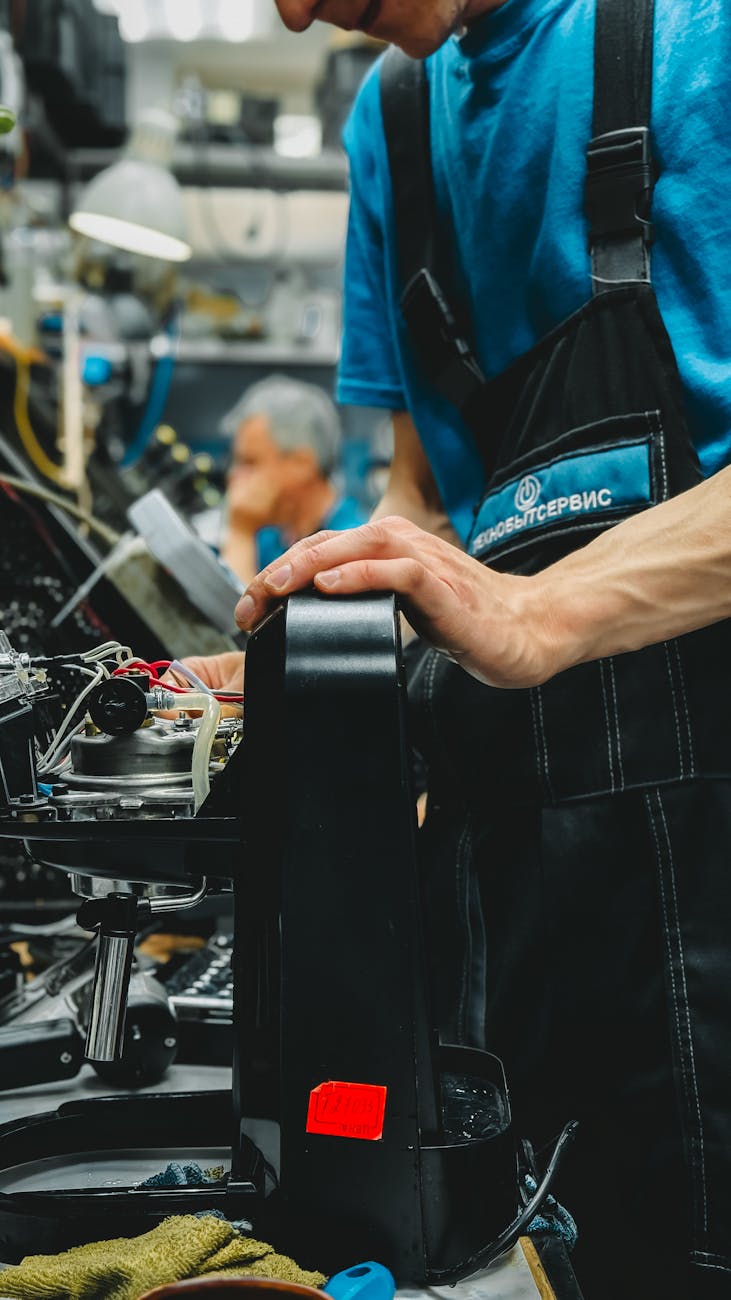
Troubleshooting Nespresso Vertuo Centrifusion noise issues
The Nespresso Vertuo line has revolutionized home coffee brewing with its unique Centrifusion technology. This system spins the capsule at thousands of rotations per minute to perfectly extract every note of flavor and create a rich, generous crema. While this powerful process is impressive, it can sometimes be accompanied by noises that leave you wondering if your machine is operating correctly. A certain level of sound is normal, but a sudden change, like a grinding, rattling, or excessively loud whirring, can be concerning. This article is designed to be your comprehensive guide to understanding and troubleshooting these Nespresso Vertuo noise issues, helping you distinguish between normal operational sounds and indicators of a potential problem that needs your attention.
Understanding your Vertuo’s normal sound profile
Before you can identify a problem, it’s crucial to understand what’s normal. The Centrifusion technology is fundamentally different from a traditional pressure-based espresso machine, and its sound profile reflects that. A perfectly functioning Vertuo machine will make a series of distinct noises during its brew cycle. It begins with the whir of the motor as it starts to spin up, reaching speeds of up to 7,000 RPM. You’ll then hear a small piercing sound as the machine punctures the capsule. During the main extraction, a consistent, powerful hum is standard as water is injected and the capsule spins. Finally, as the cycle concludes, the machine may spin even faster for a moment to dry the used coffee grounds. These sounds are the signature of a healthy, working machine.
Identifying and diagnosing problematic sounds
When the familiar hum turns into something more alarming, it’s time to play detective. Problematic noises are usually distinct from the standard operational sounds and can signal an underlying issue. Listen carefully for specific types of sounds:
- Grinding or scraping: A harsh grinding noise is one of the most concerning sounds. It often suggests that something is physically interfering with the spinning mechanism. This could be accumulated coffee grounds, a piece of a damaged capsule, or a more serious internal mechanical issue.
- Rattling or clunking: This sound typically points to a loose component. The vibration from the high-speed spinning can cause anything not properly secured to rattle. The most common culprits are the drip tray, the used capsule container, or even the water tank if not seated correctly.
- Excessively loud whirring or squealing: If the standard whir becomes significantly louder or develops a high-pitched squeal, it could indicate that the motor is under strain. This is often caused by a buildup of limescale from hard water, which forces the internal components to work harder.
Pinpointing the exact type of noise is the first step in diagnosing the problem and moving toward a solution. The transition from a smooth hum to a disruptive noise is your machine’s way of telling you it needs attention.
Common causes and simple DIY fixes
Fortunately, many noise issues can be resolved with some basic maintenance and troubleshooting at home. Before you panic, work through these simple fixes which address the most common culprits behind a noisy Vertuo machine.
First, check the capsule. An incorrectly inserted, dented, or non-Nespresso compatible capsule can throw the entire system off balance, causing vibration and loud noises. Open the machine, remove the capsule, and ensure it is placed correctly and is in good condition.
Next, perform a physical check for loose components. Make sure the drip tray is securely in place and that the used capsule container is pushed in all the way. A wobbly water tank can also create rattling, so confirm it is seated firmly on its base. Sometimes the simplest fix is the most effective.
If the noise persists, it’s time for a thorough cleaning. Coffee grounds can build up inside the brewing head over time, interfering with the spinning mechanism. Run a cleaning cycle by pressing the brew button three times quickly. For a deeper clean, gently wipe the interior of the head with a soft, damp cloth to remove any stubborn residue. Finally, the most important maintenance step is regular descaling. Limescale buildup forces the machine to work harder, leading to louder operation. Follow your machine’s specific descaling instructions every 3-6 months to keep it running smoothly and quietly.
When to seek professional help
While most issues are fixable at home, some noises point to a more serious mechanical problem that requires expert attention. If you have thoroughly cleaned and descaled your machine and the problematic noises continue, it is time to stop troubleshooting yourself. Persisting grinding or a loud mechanical clunk, even with no capsule in the machine, often indicates a problem with the motor or the spinning mechanism itself. Attempting to disassemble the unit can be dangerous and will void your warranty. This is the point where you should contact Nespresso support.
To make the process as smooth as possible, have your machine’s serial number (usually found on a sticker on the drip tray or base) and your proof of purchase ready. When you contact them, describe the noise in detail and list the troubleshooting steps you’ve already taken. This will help them diagnose the issue more efficiently.
| Sound | Potential cause | Recommended action |
|---|---|---|
| Rattling | Loose drip tray, water tank, or capsule container. | DIY Fix: Secure all removable components. |
| Loud whirring / Squealing | Limescale buildup straining the motor. | DIY Fix: Perform a full descaling cycle. |
| Grinding (intermittent) | Incorrectly placed capsule or debris in the brewing head. | DIY Fix: Re-insert capsule and run a cleaning cycle. |
| Grinding (persistent) | Internal mechanical or motor failure. | Action: Stop using the machine and contact Nespresso Support. |
Conclusion
Your Nespresso Vertuo machine is a sophisticated piece of equipment designed to deliver a perfect coffee experience, and its unique sounds are part of that process. By learning to distinguish between the normal hum of the Centrifusion system and problematic noises like grinding or rattling, you can take control of your machine’s health. Most often, a disruptive sound is simply a cry for basic maintenance—a thorough cleaning, a proper descaling, or securing a loose part. These simple, at-home fixes will resolve the majority of noise issues. However, knowing when to stop and call for professional help is equally important for persistent, mechanical sounds. By following this guide, you can ensure your machine operates smoothly and quietly, allowing you to get back to what matters most: enjoying a delicious, perfectly brewed cup of coffee.



 No products in the cart.