

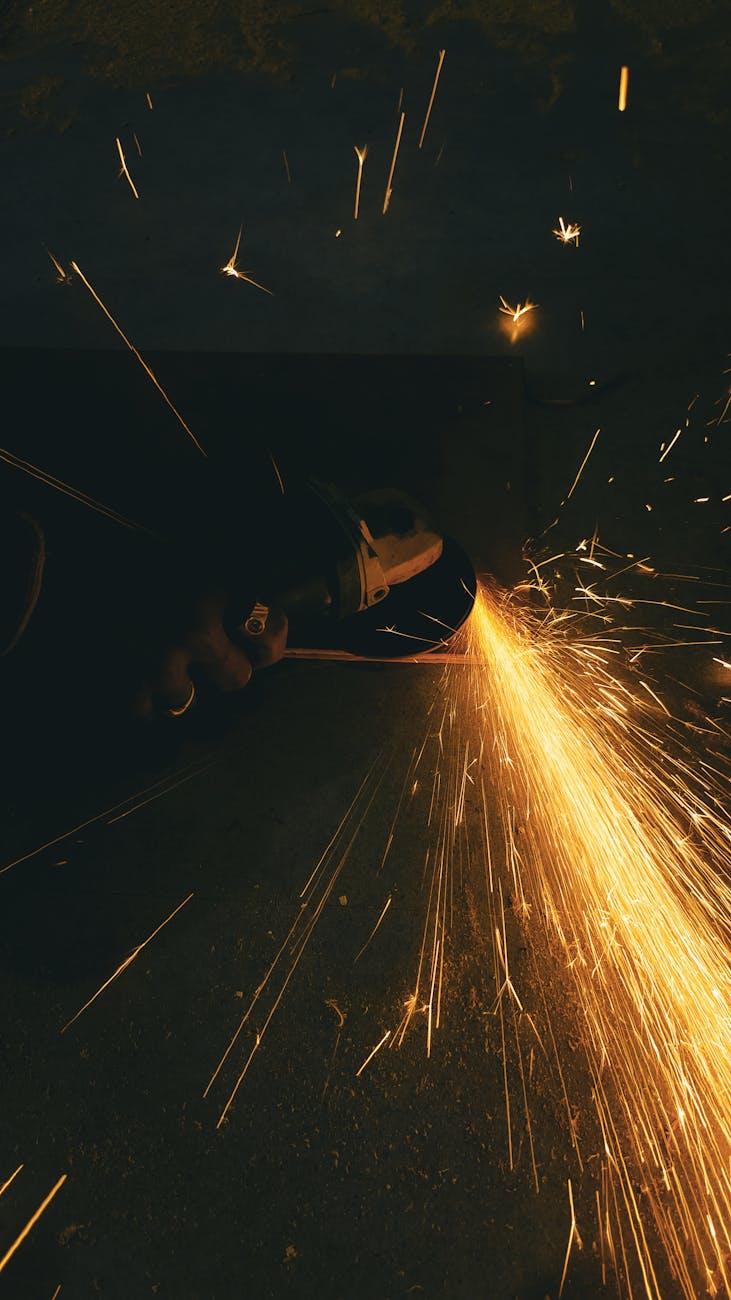
Strategies for reducing noise and vibration during the grinding process
The grinding process is fundamental to achieving high-precision surface finishes and tight dimensional tolerances in manufacturing. However, it is often accompanied by significant noise and vibration, which are not merely workplace annoyances. These phenomena are direct indicators of instability within the grinding system, leading to poor workpiece quality, accelerated tool wear, and potential damage to the machine itself. Furthermore, excessive noise poses a serious health and safety risk to operators. A comprehensive understanding of the sources of this instability is crucial for developing effective mitigation strategies. This article will delve into the root causes of grinding noise and vibration and present a series of practical, interconnected strategies for creating a more stable, efficient, and quieter grinding operation.
Understanding the root causes of noise and vibration
Before implementing solutions, it’s essential to identify the source of the problem. Noise and vibration in grinding are symptoms of underlying issues that generally fall into two categories: forced vibrations and self-excited vibrations. Forced vibrations are caused by a persistent, repeating force within the system. The most common culprit is an imbalanced grinding wheel, which creates a centrifugal force that shakes the machine at its rotational frequency. Other sources include worn spindle bearings, misaligned machine components, or external vibrations transmitted through the factory floor.
Self-excited vibration, often called chatter, is more complex. It arises dynamically from the interaction between the cutting tool (the grinding wheel) and the workpiece. As the wheel cuts, it leaves a wavy pattern on the surface. On the next pass, the wheel cuts over this uneven surface, which causes the cutting force to fluctuate. If this fluctuation matches a natural frequency of the machine, the vibration can grow uncontrollably, leading to a distinct “chatter” pattern on the workpiece and a loud, high-pitched noise. Addressing these issues requires a systematic approach that starts with the grinding wheel itself.
Optimizing the grinding wheel and its setup
The grinding wheel is the heart of the operation and often the primary source of instability. Proper selection and preparation are the first line of defense against noise and vibration. The most critical step is wheel balancing. An unbalanced wheel acts like an off-center weight, inducing significant forced vibrations that ripple through the entire machine. While static balancing is a good starting point, dynamic balancing performed on the machine itself is far more effective, as it corrects for imbalances that only appear at operational speeds. Many modern grinders have built-in automatic balancing systems that continuously monitor and adjust for imbalance.
Equally important are the processes of truing and dressing. Truing ensures the wheel is perfectly concentric with the spindle axis, eliminating runout that causes a once-per-revolution impact. Dressing sharpens the wheel by removing loaded material and dull abrasive grains. A sharp, clean wheel cuts more freely, reducing cutting forces and the friction that can lead to chatter. The choice of wheel specification also plays a vital role. A wheel that is too hard for a specific material will not break down to expose new cutting edges, leading to glazing, increased forces, and vibration. A softer wheel can have a dampening effect but may wear too quickly. Finding the right balance of grain size, bond type, structure, and grade is key to a stable process.
Fine-tuning machine integrity and process parameters
With a well-prepared wheel, the focus shifts to the machine and the process parameters. The overall machine rigidity is paramount. Any looseness in the machine’s structure, such as worn guideways, a weak foundation, or loose fasteners, will amplify vibrations. Regular preventive maintenance to inspect and tighten all structural components is essential. The spindle and its bearings are particularly critical; any wear or lack of lubrication here will introduce a primary source of vibration directly at the cutting zone.
The application of coolant is another influential factor. A consistent and well-directed flow of clean coolant does more than just prevent thermal damage. It lubricates the cutting interface, reducing friction, and effectively flushes away grinding swarf that could otherwise load the wheel and disrupt the cut. Adjusting the cutting parameters can also be a powerful tool for interrupting chatter. Sometimes, a slight change in wheel speed or workpiece speed can shift the operating frequency away from the machine’s natural resonance, effectively breaking the feedback loop that sustains chatter. This involves a careful, methodical approach to find the “sweet spot” for a given setup.
Advanced control strategies and workpiece clamping
For persistent vibration issues, more advanced strategies may be required. This includes the use of vibration damping systems. Passive dampers, such as tuned mass dampers, can be added to the machine structure to absorb vibrational energy at a specific problem frequency. Active damping systems go a step further, using sensors to detect vibration in real-time and actuators to generate an opposing force that cancels it out. While more complex, these systems can be highly effective in high-precision applications.
Finally, never underestimate the importance of the workpiece setup. Insecure or inadequate clamping allows the workpiece itself to vibrate during the grinding process. This not only ruins the surface finish but also contributes significantly to system instability and noise. The clamping fixture should be as rigid as possible, providing firm support close to the area being ground. For thin or irregularly shaped parts, special attention must be paid to prevent deflection under the force of the grind.
The relationship between parameter adjustments and their effect on vibration can be complex, but some general guidelines are helpful:
| Parameter Adjustment | Potential Impact on Vibration | Notes |
|---|---|---|
| Increase wheel speed | Can increase or decrease vibration. May move away from a resonance frequency. | Test in small increments. Exceeding the maximum rated speed is extremely dangerous. |
| Decrease depth of cut | Generally reduces cutting forces and vibration amplitude. | This may reduce overall productivity; finding a balance is crucial. |
| Adjust workpiece speed/feed rate | Can disrupt the formation of chatter patterns. | The ideal rate is highly dependent on the specific setup and material. |
| Improve coolant flow and application | Reduces friction and thermal-induced stresses, leading to a smoother cut. | Ensure proper nozzle placement, pressure, and filtration for best results. |
Conclusion: A systematic approach to a quieter, more precise process
Reducing noise and vibration in the grinding process is not about finding a single magic bullet, but rather about implementing a holistic and systematic strategy. The journey begins with the grinding wheel itself, ensuring it is properly balanced, trued, and dressed for the task. It continues with the diligent maintenance of the machine to guarantee structural rigidity and the health of critical components like the spindle. This foundation is then built upon by carefully optimizing process parameters such as speeds, feeds, and coolant application to create a stable cutting environment. By addressing each of these interconnected elements, manufacturers can successfully mitigate the harmful effects of vibration, leading to superior surface finishes, longer tool life, and enhanced productivity, all while creating a safer and quieter workplace for operators.

 No products in the cart.