

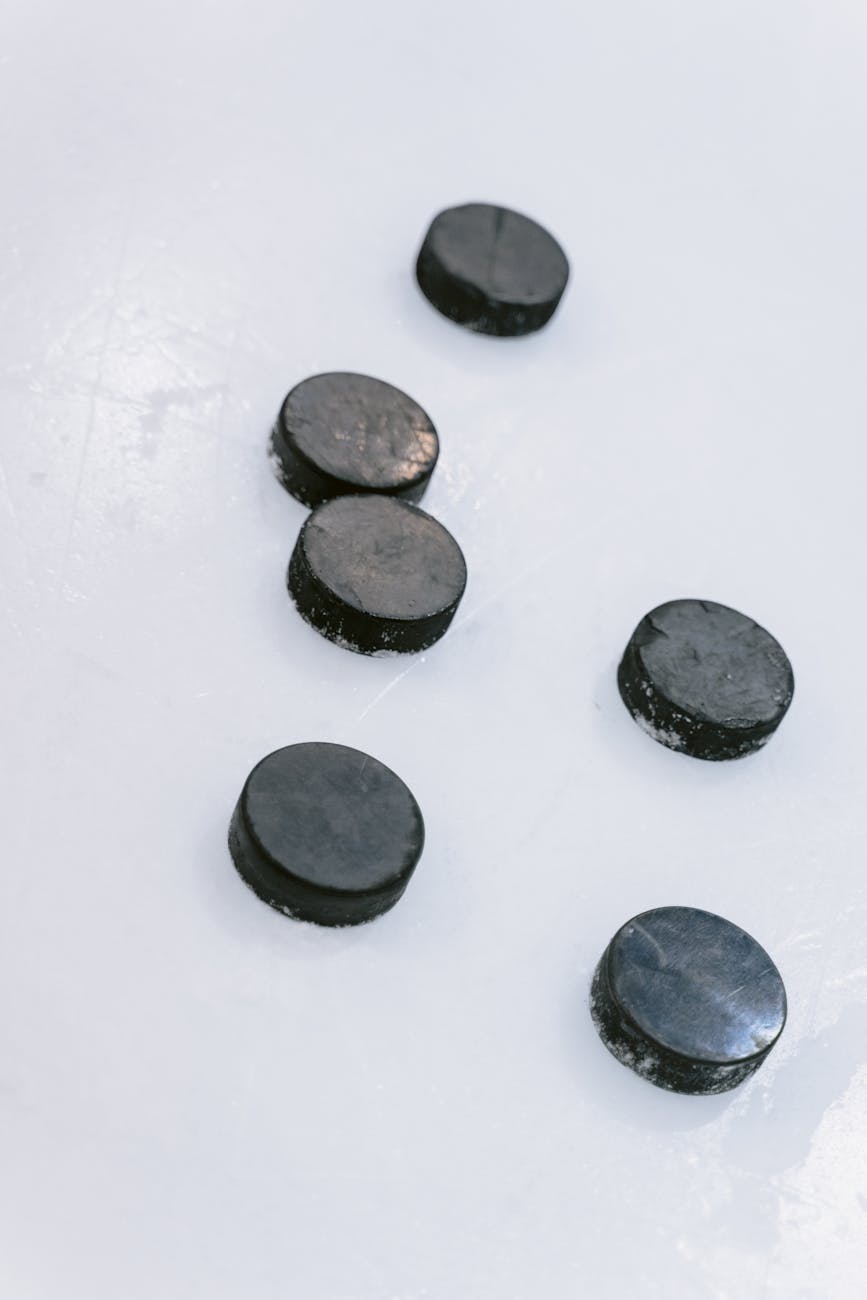
Understanding the role of fines in espresso puck resistance
The pursuit of the perfect espresso shot is a journey of precision and control. For baristas and home enthusiasts alike, understanding the variables that influence extraction is paramount. While we often focus on dose, yield, and time, a less visible but equally critical factor is at play: puck resistance. This resistance, created by the bed of coffee grounds, is what allows pressure to build and water to extract the rich flavors we crave. At the heart of this dynamic are coffee fines, the microscopic particles produced during grinding. This article will delve into the crucial role these fines play, exploring how they are both the architects of a great shot and the potential culprits behind a bad one, and how managing them is key to espresso mastery.
What are coffee fines?
Every time you grind coffee beans, the process shatters them into a range of particle sizes. While we aim for a specific target size, the brittle nature of roasted coffee means that an array of much smaller particles is inevitably created. These are the coffee fines. Scientifically, fines are often defined as particles smaller than 100 or 200 microns (a human hair is about 70 microns thick). They are essentially coffee dust, a natural and unavoidable byproduct of every grinder on the market.
The quantity and character of these fines are influenced by several factors:
- Grinder quality: High-quality grinders with sharp, well-aligned burrs produce a more uniform grind with a more predictable and manageable amount of fines. In contrast, lower-quality grinders or those with dull burrs tend to shatter beans unevenly, creating an excess of fines and larger “boulders.”
- Roast level: Darker roasts are more brittle and porous than lighter roasts. As a result, they tend to fracture more easily during grinding, generating a higher percentage of fines for the same grind setting.
- Bean density: Denser, high-altitude beans are often harder and may produce fewer fines than softer, lower-altitude beans.
Understanding that fines are always present is the first step. The next is to appreciate how they directly impact the physics of your espresso puck.
The mechanics of puck resistance
Imagine your espresso puck as a bed of rocks and gravel. The larger coffee grounds are the “boulders,” forming the main structure and creating large pathways between them. If you were to pour water over just these boulders, it would rush through almost instantly. This is where the fines, or the “gravel and sand,” come into play. Fines settle into the empty spaces (interstitial gaps) between the larger particles.
This process of filling the gaps is what generates puck resistance. By reducing the size of the channels available for water to flow, the fines force the water to slow down. This slowdown is essential for a proper extraction. It allows the brew pressure from your machine to build up to the desired level (typically around 9 bars) and ensures the hot water has sufficient contact time with the entire coffee bed to dissolve the desired flavor compounds, oils, and solids. Without adequate resistance from a well-structured puck, you would experience channeling, leading to a fast, under-extracted shot that tastes sour and weak.
The good and bad of fines in extraction
Fines are not inherently good or bad; they have a dual nature. Their impact on your final cup depends entirely on their quantity and distribution within the puck. Achieving the right balance is the key to a delicious shot.
The positive impact:
- Creating necessary resistance: As discussed, a healthy amount of fines is fundamental to slowing down the water flow, enabling proper pressure buildup and contact time for a balanced extraction.
- Increasing body and flavor: Due to their incredibly high surface-area-to-volume ratio, fines extract very quickly. They contribute significantly to the dissolved solids in the espresso, enhancing its body, mouthfeel, and the richness of the crema. A shot with no fines would feel thin and lifeless.
The negative impact:
- Clogging and over-extraction: An excessive amount of fines can create a puck that is too dense and compact. This can “choke” the machine, slowing the shot to a drip or stopping it entirely. The water that does manage to pass through is forced through tiny, tortuous paths, leading to over-extraction and flavors that are bitter, dry, and astringent.
- Fines migration and channeling: Fines are small and light, and they can be moved by the initial flow of water. This phenomenon, known as fines migration, often causes them to wash downwards and clog the bottom of the filter basket. This blockage increases resistance in one area, forcing water to find an easier path elsewhere, violently carving a channel through a weaker part of the puck. This results in an uneven extraction, with some parts of the coffee being over-extracted (bitter) and others being under-extracted (sour) simultaneously.
How to manage fines for better espresso
Since you cannot eliminate fines, the goal is to manage them for consistency. The focus should be on producing a predictable amount of fines and distributing them evenly throughout the puck. This turns them from a random variable into a reliable tool.
The most important step is investing in a quality burr grinder. A good grinder will provide a more consistent particle size distribution, shot after shot. Beyond your grinder, your puck preparation technique is your greatest ally:
- Weiss Distribution Technique (WDT): This is arguably the most effective technique for managing fines. By using a tool with fine needles to rake through the coffee grounds in your portafilter, you break up any clumps and homogenize the distribution of all particle sizes, including fines. This prevents pockets of dense fines that are prone to causing channeling and ensures uniform resistance across the entire puck.
- Tamping: Always tamp on a level surface and apply firm, consistent pressure. A level tamp ensures that the density of the puck is uniform from edge to edge, leaving no weak spots that could encourage channeling.
By focusing on producing consistent fines with a good grinder and distributing them evenly with WDT, you create a puck that is perfectly structured to withstand the pressure of extraction, leading to more balanced and repeatable results.
| Level of Fines | Impact on Puck Resistance | Effect on Shot Time | Resulting Flavor Profile |
|---|---|---|---|
| Too Few | Low resistance, prone to channeling | Very fast (gushing) | Under-extracted: Sour, acidic, weak, lacking body |
| Optimal | Even and consistent resistance | Controlled flow (e.g., 25-35 seconds) | Balanced: Sweet, complex, rich body and crema |
| Too Many | Very high resistance, prone to choking | Very slow (dripping) or stalls | Over-extracted: Bitter, astringent, harsh, dry |
In conclusion, coffee fines are far from being just a dusty nuisance; they are a fundamental component in the art of espresso making. They are the primary agents responsible for creating the puck resistance necessary for a deep and even extraction. While an insufficient amount leads to a fast, sour shot, an excess can choke the machine and introduce bitterness through channeling and over-extraction. The true craft lies not in eliminating fines but in managing them. By using a quality grinder to produce a consistent grind and employing meticulous puck preparation techniques like WDT to ensure their even distribution, you can harness the power of fines. This control transforms them from a source of frustration into a reliable tool for crafting delicious, balanced, and repeatable espresso shots every time.


 No products in the cart.