

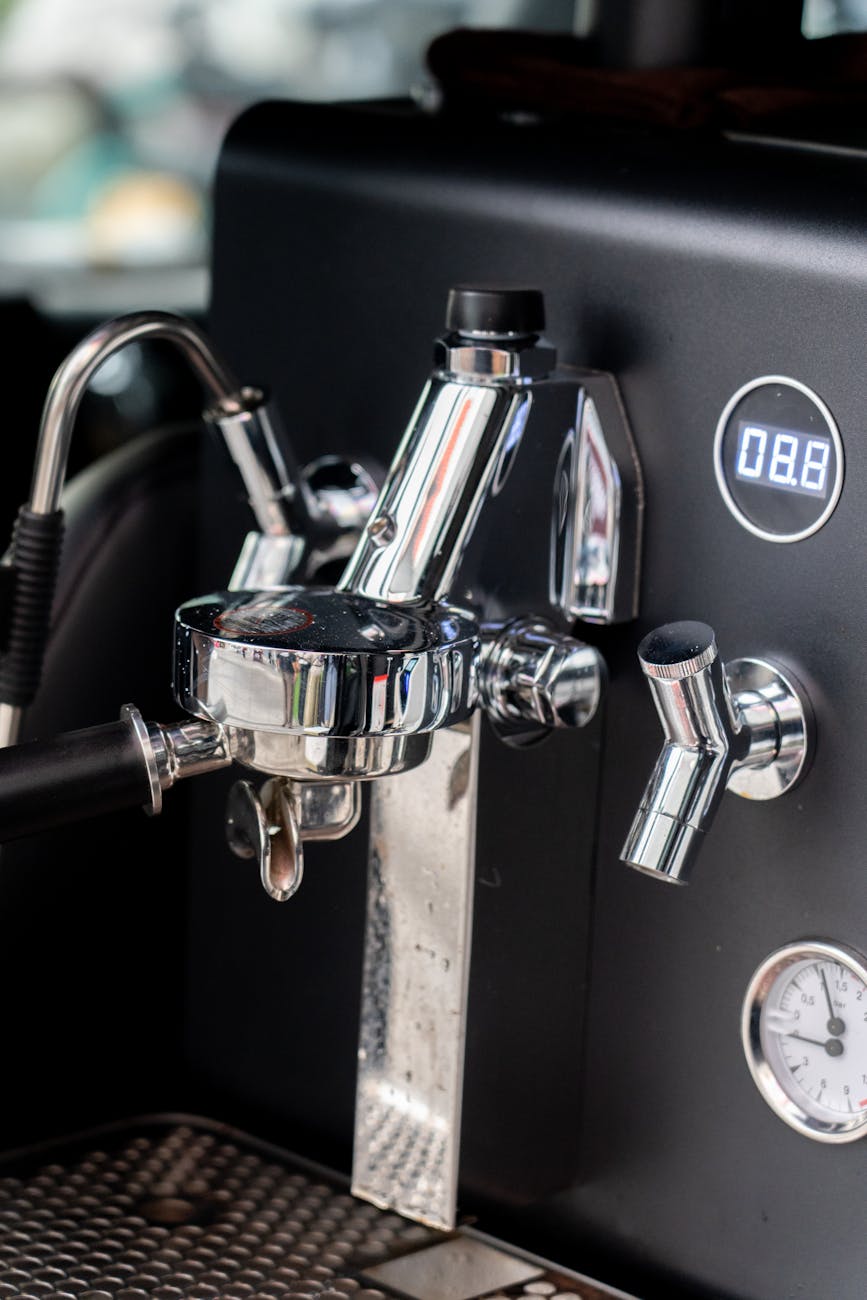
For many coffee lovers, the morning ritual is sacred. The hum of the grinder, the satisfying tamp, and the sight of that first syrupy espresso shot flowing into the cup is a moment of pure anticipation. But often, that first sip doesn’t quite hit the mark. It might be surprisingly sour, disappointingly weak, or just… off. You’re not imagining it. The first espresso of the day is almost scientifically guaranteed to be different from the ones that follow. This isn’t a sign of failure but a predictable phenomenon with clear, solvable causes. In this article, we’ll delve into the key reasons, from the temperature of your machine to the state of your grinder, to understand why that first shot is unique and how you can make it a great one.
The cold start problem: Why temperature is everything
Espresso extraction is a delicate dance of pressure, time, and, most critically, temperature. For a balanced and sweet shot, the water hitting your coffee puck needs to be at a precise, stable temperature, typically between 90-96°C (195-205°F). When your machine has been off all night, it’s stone cold. This includes the heavy brass group head, the portafilter, and all the internal pathways. If you pull a shot immediately after turning it on, the cold metal acts like a heat sink, drastically dropping the water’s temperature before it ever reaches the coffee.
This leads to a classic case of under-extraction. The water isn’t hot enough to properly dissolve the sugars and desirable compounds in the coffee grounds. Instead, it primarily extracts the acids, which dissolve more quickly. The result? A shot that tastes aggressively sour, acidic, and thin-bodied, lacking the sweetness and complexity you’re looking for. To combat this, give your machine at least 20-30 minutes to heat up fully. More importantly, always flush the group head with hot water for several seconds right before you brew to stabilize its temperature and pre-heat your cup.
Waking up the grinder: Purging yesterday’s coffee
After addressing the machine’s temperature, the next culprit is your grinder. Almost every coffee grinder, from entry-level to professional-grade, has a degree of grinder retention. This means a certain amount of coffee grounds from your last session remains stuck in the burrs, chute, and internal mechanisms. Overnight, these trapped grounds go stale. They are exposed to oxygen, which causes them to oxidize, losing their volatile aromatic compounds and developing flat, woody, or even rancid flavors.
When you grind your first dose in the morning, these old, stale grounds are the first to be pushed out, mixing with your fresh coffee. This “stale dose” contaminates your shot, contributing to a dull and often bitter taste that masks the true potential of your beans. The solution is simple: purge your grinder. Before grinding your first dose for brewing, grind and discard a small amount of beans—typically 2-5 grams, depending on your grinder model. This clears out the old grounds, ensuring your portafilter is filled with nothing but fresh, flavorful coffee.
The daily dial-in: Your first shot as a diagnostic tool
So, you’ve pre-heated your machine and purged your grinder. You’re set for a perfect shot, right? Not so fast. The first shot of the day is also the first test of your current “dial-in,” which is the specific grind size setting required to achieve a perfect extraction. Coffee is a sensitive agricultural product, and its behavior can change based on environmental conditions that fluctuate overnight, such as ambient temperature and humidity.
For example, a rise in humidity can cause beans to absorb moisture, making them softer and requiring a slightly coarser grind to achieve the same flow rate. Conversely, dry air might necessitate a finer grind. Because of this, the perfect setting from yesterday afternoon might produce a gushing, under-extracted shot (a “gusher”) or a slow, over-extracted one (a “choker”) this morning. Baristas don’t see this first shot as a failure; they see it as data. They taste it, time it, weigh the output, and use that information to make micro-adjustments to the grind size for the rest of the day.
A summary of morning espresso challenges
Understanding the distinct variables that affect your first shot can help you diagnose and solve any issues. Here is a quick breakdown of the common problems and their solutions.
| Problem | Primary Cause | Flavor Impact | Solution |
|---|---|---|---|
| Under-extraction | Cold group head & portafilter | Sour, thin, weak | Allow machine to fully pre-heat; flush group head before brewing. |
| Stale Flavors | Grinder retention (old grounds) | Dull, flat, bitter, woody | Purge 2-5 grams of coffee before grinding your first dose. |
| Improper Flow Rate | Changes in humidity/temperature | Sour (too fast) or Bitter (too slow) | Use the first shot to “dial in” by adjusting the grind size. |
| Perceived Intensity | A clean or “unprepared” palate | Overly acidic or intense | Drink a glass of water first to cleanse and prepare your palate. |
That first espresso of the day doesn’t have to be a gamble. While it will always be slightly different due to its role as a diagnostic tool, it doesn’t have to be unpleasant. By understanding the core principles at play—thermal stability, coffee freshness, and the need for daily adjustments—you can transform this first shot from a source of frustration into a consistent and delicious start to your morning. The key is to see it not as a final product but as the first, crucial step in your daily brewing ritual. Pre-heat your machine properly, purge your grinder religiously, and embrace the daily dial-in. By doing so, you take control of the variables and set the stage for cafe-quality espresso, from the first sip to the last.

 No products in the cart.