

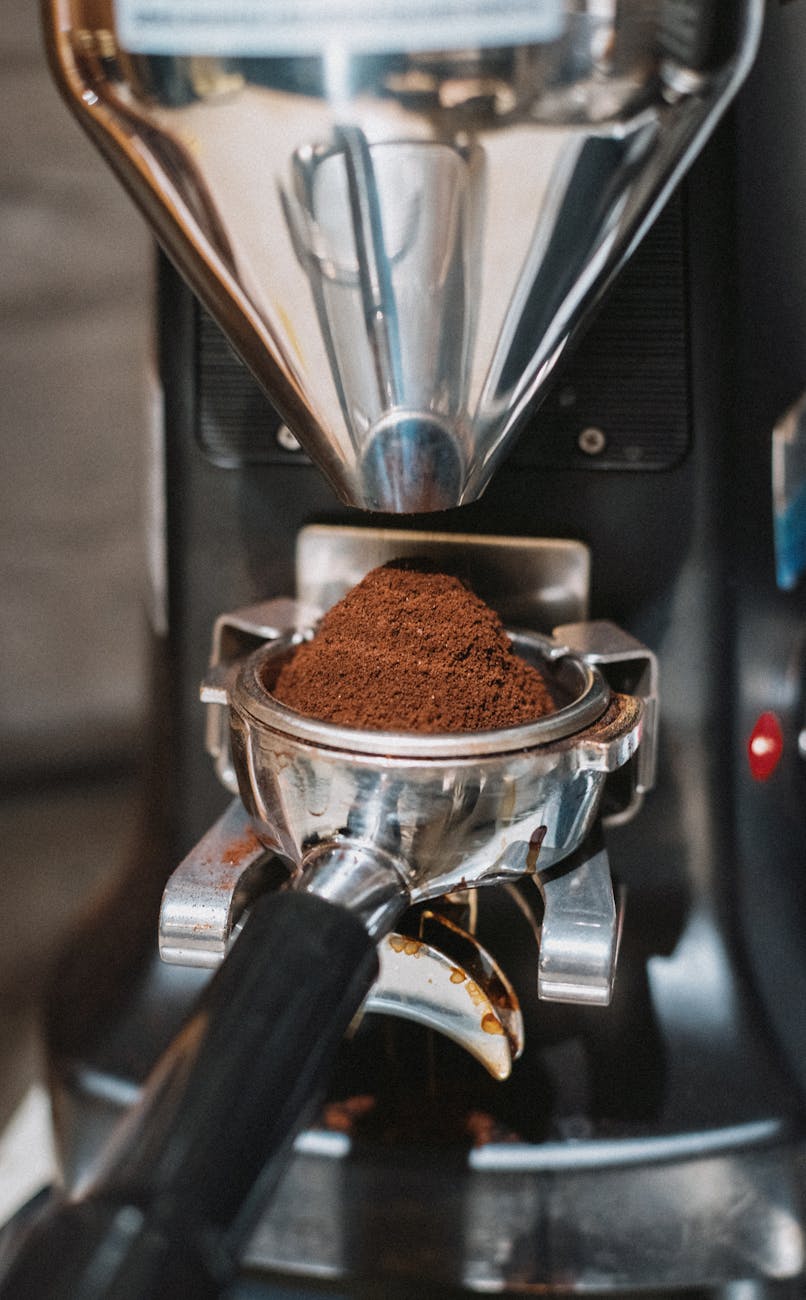
The journey to brewing the perfect shot of espresso at home is filled with choices, but none is more critical than your grinder. It’s the single most important piece of equipment for unlocking the potential of your coffee beans. The central debate for many home baristas is whether to choose the tactile, traditional approach of a hand grinder or the speed and convenience of an electric one. This decision isn’t just about turning a crank versus pushing a button. It impacts your workflow, counter space, budget, and ultimately, the quality of what’s in your cup. In this article, we’ll delve deep into the hand grinder vs electric grinder showdown, exploring the nuances of each to help you find the perfect partner for your espresso machine.
Grind quality and consistency: The foundation of good espresso
Espresso is famously unforgiving. To achieve a balanced, delicious shot, you need a coffee bed of extremely fine and uniformly sized particles. This consistency allows water to pass through the puck evenly under pressure, preventing a phenomenon called channeling, where water finds an easy path and under-extracts the rest of the coffee, resulting in a sour, weak shot. This is where the grinder’s burr quality and alignment come into play.
Surprisingly, this is an area where high-end manual grinders truly shine, often outperforming electric grinders in the same price bracket. Premium hand grinders are engineered with precision, featuring large, sharp steel burrs that are comparable to those found in electric models costing two or three times as much. This focus on the core grinding mechanism, without the added cost of a motor and electronics, means your money goes directly toward what matters most: grind quality. Conversely, entry-level electric grinders often compromise on burr size and stability to meet a low price point, which can lead to a less consistent grind with more “fines” (tiny coffee dust) that can clog the portafilter and create bitterness.
Workflow, convenience, and the coffee ritual
While grind quality might be comparable at certain price points, the daily experience of using a hand grinder versus an electric one is worlds apart. This is arguably the biggest deciding factor for most people. An electric grinder offers unparalleled speed and convenience. The workflow is simple: add beans to the hopper, place your portafilter, and press a button. Within seconds, you have a precise dose of fresh grounds ready to be tamped. This is ideal for busy mornings or when making multiple coffees for guests.
A hand grinder, on the other hand, demands a more deliberate, hands-on approach. Grinding for a double shot of espresso (around 18 grams) can take anywhere from 30 to 60 seconds of consistent physical effort. For some, this is a meditative ritual—the quiet whir of the burrs, the tactile feedback, the aroma of the beans. It’s quiet, allowing you to make coffee without waking the whole house. Furthermore, hand grinders are a traveler’s dream, offering a portable solution for great espresso wherever you go. The choice here is deeply personal: do you value the efficiency of automation or the engaging, peaceful process of manual preparation?
Adjustment, retention, and dialing in
Dialing in an espresso shot requires making tiny, precise changes to the grind size. This is where the grinder’s adjustment mechanism is critical. Both hand and electric grinders come in two main types: stepped and stepless. Stepped grinders have a set number of “clicks” for adjustment, while stepless grinders allow for infinite, tiny adjustments between settings. For espresso, a stepless or micro-stepped adjustment is highly desirable, and this feature is available on both premium manual and electric models.
Another crucial factor is grind retention, which refers to the amount of old coffee grounds left inside the grinder after use. High retention means stale grounds can mix with your fresh ones, tainting the flavor of your shot. Most hand grinders are naturally near-zero retention. You put in 18 grams of beans, and you get 18 grams of grounds out. Many electric grinders, especially those with long exit chutes, can retain several grams of coffee. This requires a “purge” of a few grams of beans before your first shot of the day to clear out the old grounds, leading to waste. This makes hand grinders an excellent choice for those who value absolute freshness with every single shot.
A practical comparison: Cost, space, and durability
When it comes to budget and value, the lines between manual and electric grinders are fascinating. At the entry-level for espresso (around $150-$300), a high-quality hand grinder will almost always produce a more consistent and capable grind than an electric grinder at the exact same price. As you move into the mid-range ($300-$600), you’ll find exceptional hand grinders and very capable entry-level electric espresso grinders, making the choice more about workflow preference.
The physical footprint is another clear distinction. Hand grinders are compact and can be easily stored in a drawer or cupboard, making them perfect for small kitchens. Electric grinders demand dedicated counter space. In terms of durability, the simplicity of a hand grinder is its strength. With no motor or electronics to fail, a well-made manual grinder is a lifetime investment that is easy to clean and maintain.
| Feature | Hand Grinder | Electric Grinder |
|---|---|---|
| Grind Quality (for price) | Excellent. Often outperforms electrics at the same price. | Varies greatly. High-end is the benchmark, entry-level can be inconsistent. |
| Speed | Slow (30-60 seconds per dose). Requires manual effort. | Fast (5-15 seconds per dose). Automated. |
| Convenience | Low. Requires physical work for each coffee. | High. Push-button operation, often with timed or weighted dosing. |
| Noise Level | Very quiet. | Loud, can be disruptive. |
| Portability & Footprint | Excellent portability, very small footprint. | Not portable, requires significant counter space. |
| Grind Retention | Typically near-zero retention. | Can be an issue, often requiring a purge of old grounds. |
Conclusion: Which grinder is right for you?
Ultimately, the choice between a hand grinder and an electric grinder for espresso is a personal one, balancing performance against your lifestyle. There is no single “best” answer, only what is best for you. If your top priorities are achieving the absolute best grind quality for your money, maintaining a quiet environment, saving space, and enjoying the tactile process of making coffee, a premium hand grinder is an unbeatable choice. It offers incredible value and a level of engagement that many coffee lovers cherish. However, if your mornings are rushed, you make multiple coffees at once, and you value a seamless, effortless workflow above all else, the speed and convenience of a quality electric grinder are well worth the investment.

 No products in the cart.