

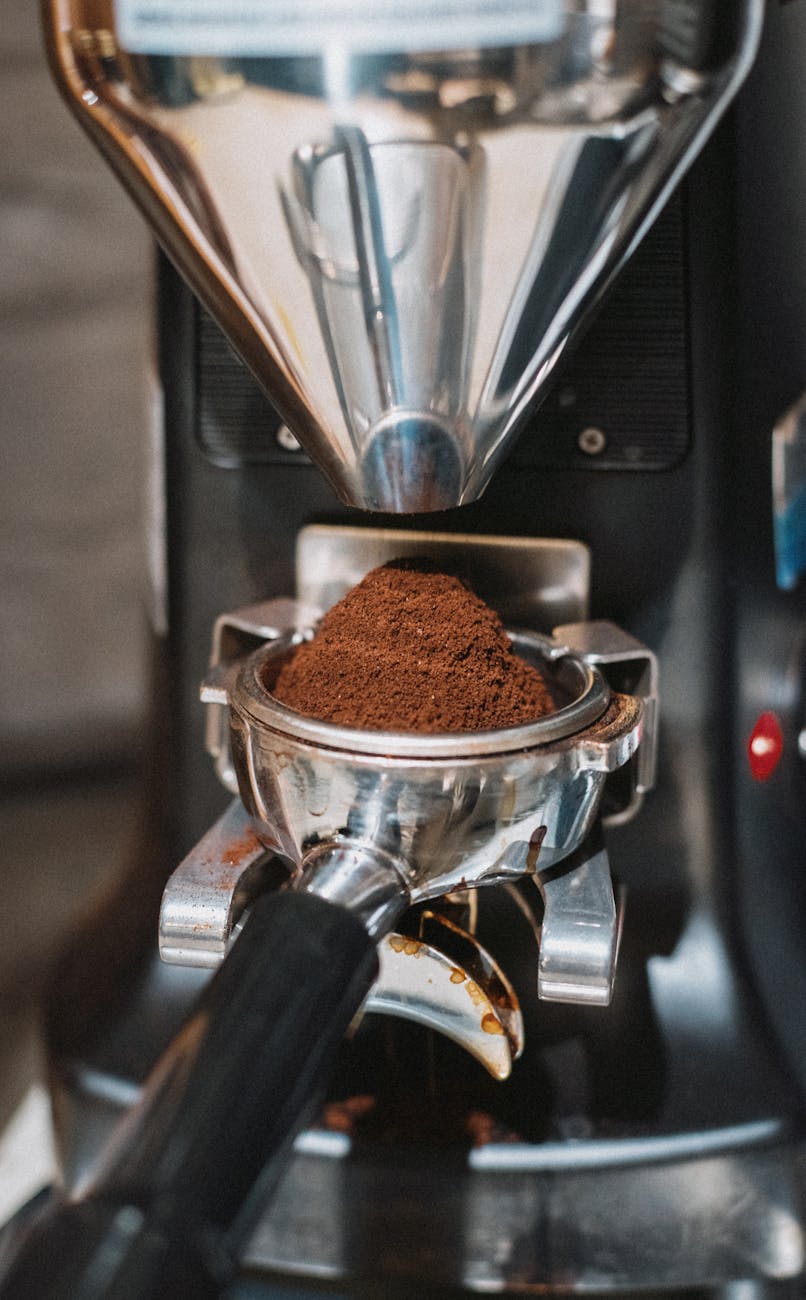
How to tell if your espresso grinder burrs are dull
Your espresso grinder is the unsung hero of your coffee setup. While the gleaming espresso machine gets all the attention, the grinder does the foundational work. Its burrs—two revolving abrasive surfaces—are responsible for crushing coffee beans into the uniform particles necessary for a balanced extraction. But just like any blade, these burrs don’t last forever. Over time, they become dull, and a dull burr is the enemy of good coffee. It can turn your high-end specialty beans into a disappointing, frustrating mess. Spotting the signs of wear before it ruins your morning ritual is key. This guide will walk you through the tell-tale indicators, from changes in your espresso’s taste to the physical condition of the burrs themselves.
Changes in your espresso shot
The first place you’ll notice the impact of dull burrs is in the cup. Your daily espresso routine, once predictable, will start to become inconsistent. The most common sign is needing to constantly adjust your grind setting finer and finer to achieve the same shot time. If you previously pulled a perfect 28-second shot at a setting of ‘8’, you might find yourself creeping down to ‘6’, then ‘4’, just to slow the water down enough. This happens because dull burrs don’t cut beans cleanly; they shatter them. This creates a less uniform grind with a mix of large particles (boulders) and excessive microscopic particles (fines).
This inconsistency directly impacts taste. The excessive fines over-extract quickly, releasing bitter compounds, while the larger boulders under-extract, contributing sour, acidic notes. The result is a shot that tastes muddled and unbalanced, lacking the clarity and sweetness you’re used to. You might also notice more frequent channeling in your puck, where water finds a path of least resistance and gushes through, leading to a weak, watery shot. If your espresso has lost its sparkle and become unpredictable, your burrs are the primary suspect.
Visual and auditory cues from the grinder
Once you’ve identified problems in the cup, your attention should turn to the grinder itself. Worn burrs change how the machine operates, and you can often see and hear the difference. A major red flag is a noticeable increase in grinding time. If it suddenly takes 20 seconds to grind an 18-gram dose that used to take 15, it’s a clear sign the burrs are struggling. They are no longer slicing through the beans with ease but are instead crushing and pulverizing them, which requires more time and effort from the motor.
Listen closely to the sound of your grinder. A machine with sharp burrs typically has a lower-pitched, consistent grinding noise. As the burrs dull, the motor has to work harder, which can cause the sound to become higher-pitched or more strained. You might also notice a change in the coffee grounds themselves. Dull burrs create more friction and heat, which can lead to increased static electricity. This results in coffee grounds that are clumpy and stick to everything, making a mess and contributing to an uneven distribution in your portafilter.
Inspecting the coffee grounds
While issues in the cup and with the machine are strong indicators, a closer look at the coffee grounds provides more direct evidence. To do this, grind a small sample of coffee and spread it thinly on a white sheet of paper. What you’re looking for is uniformity. Grounds from a healthy set of burrs should look and feel relatively consistent, like fine sand with a fluffy texture.
In contrast, grounds from dull burrs will be visibly inconsistent. You’ll see a mix of particles, from a fine, powdery dust to much larger, jagged chunks. This is the “boulders and fines” problem in action. You can also perform a simple “feel test.” Rub a pinch of the grounds between your thumb and forefinger. A good, uniform grind will feel distinct and gritty. A grind from dull burrs will often feel softer and more powdery due to the high volume of fines, masking the feel of the larger particles mixed in.
The physical burr inspection and replacement
The final and most definitive way to know if your burrs are dull is to look at them. Before you begin, always unplug your grinder from the power source. Empty any beans from the hopper and grind out any remaining coffee. The process for accessing your burrs will vary by manufacturer, so consult your grinder’s manual. Generally, it involves unscrewing the hopper and the upper burr carrier.
Once you have the upper burr removed, clean both burrs thoroughly with a stiff brush to remove any coffee residue. Now, inspect the cutting edges. Sharp burrs will have very defined, sharp-feeling edges that can easily catch on your fingernail if you run it carefully across the surface. Dull burrs will feel smooth and rounded to the touch. The sharp, aggressive cutting surfaces will have been worn down into blunt, polished edges. If the edges feel more like a smooth bump than a sharp peak, it’s time for a replacement. While you’re inspecting, also look for any nicks or chips, which can be caused by a stray rock or other foreign object in your beans and are grounds for immediate replacement.
Knowing when to replace burrs can also be guided by general usage. While every situation is different, the table below provides a rough estimate.
| Burr Type | Material | Estimated Lifespan (lbs of coffee) | Estimated Lifespan (kg of coffee) |
|---|---|---|---|
| Flat | Steel | 400-600 lbs | 180-270 kg |
| Conical | Steel | 750-1000 lbs | 340-450 kg |
| Flat | Ceramic | 1000-1300 lbs | 450-600 kg |
| Any | Titanium Coated | 1500-2000+ lbs | 680-900+ kg |
Note: These are general estimates for home use; commercial environments will see faster wear.
Replacing your grinder’s burrs isn’t a sign of failure; it’s a critical part of routine maintenance that breathes new life into your coffee setup. By paying attention to the signals—from inconsistent, poor-tasting shots to slower grinding and physically rounded burr edges—you can identify worn-out burrs before they waste too many good beans. Think of it like sharpening a chef’s knife; it restores the tool to its peak performance. Investing in a new set of burrs is one of the most cost-effective upgrades you can make, promising an immediate and dramatic improvement in your espresso’s quality. It will restore the consistency, clarity, and sweetness you’ve been missing and unlock the true flavor potential of your coffee.


 No products in the cart.