

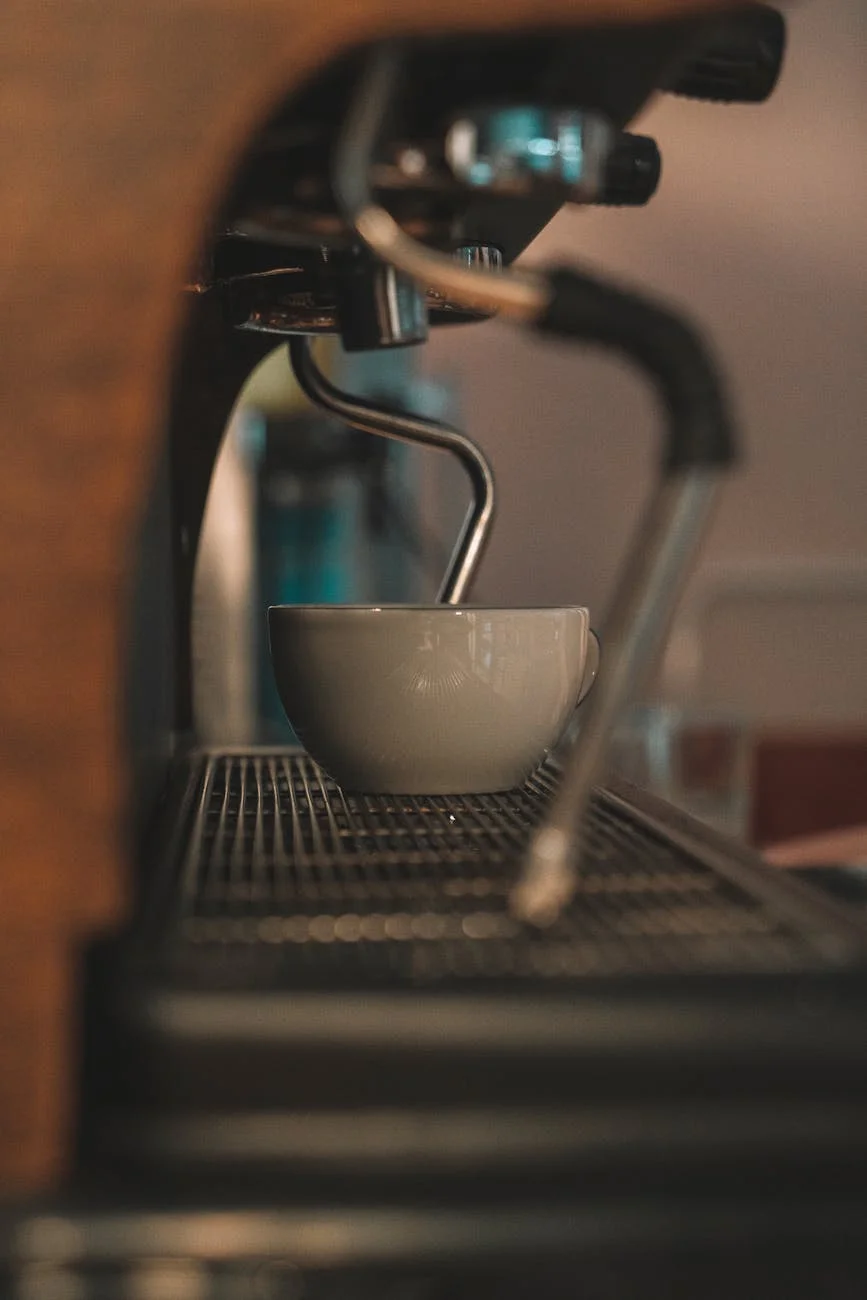
Is single dosing better for your home espresso workflow?
For any home barista, the quest for the perfect espresso shot is a daily ritual. It’s a journey filled with variables, from tamping pressure to water temperature. One of the most debated topics in this pursuit is the grinding workflow: should you use a traditional hopper filled with beans, or is single dosing the superior method? Single dosing involves weighing the exact amount of beans needed for one shot right before you grind. This technique has gained immense popularity, with enthusiasts claiming it unlocks unparalleled freshness and consistency. In this article, we will delve into the world of single dosing, comparing it to the classic hopper method to determine if it’s truly the key to upgrading your home espresso game.
What is single dosing?
At its core, single dosing is a beautifully simple concept. Instead of filling a large container (a hopper) on top of your grinder with a bag of beans, you measure out the precise dose for a single serving of espresso—typically 18 to 20 grams—and grind only that amount. This stands in stark contrast to the traditional hopper-fed method, where the grinder is always loaded and ready to go, common in high-volume cafe environments.
A typical single dosing workflow looks like this:
- Weigh: Using a high-precision scale, you weigh your whole beans to the tenth of a gram.
- Grind: You add these beans to an empty grinder and grind them all through.
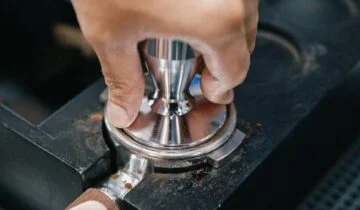
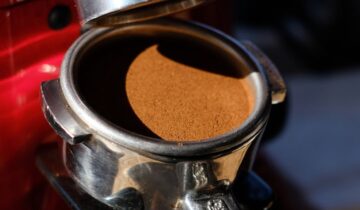
- Prep: You transfer the grounds to your portafilter, prepare your puck, and pull your shot.
This method puts you in complete control of the most important ingredient in your espresso: the coffee itself. It necessitates specific tools, including an accurate scale and, ideally, a grinder designed for this purpose. These “zero-retention” or “low-retention” grinders are engineered to ensure that virtually all the grounds you put in come out, which is crucial for the benefits we’ll explore next.
The pursuit of freshness and flavor
The single most compelling argument for single dosing is freshness. Coffee beans are a fragile agricultural product. Once roasted, they begin a process of degassing and oxidation. When exposed to air, the delicate oils and volatile aromatic compounds that create coffee’s incredible flavor and aroma start to break down. A hopper, by its very nature, leaves a large volume of beans sitting out, constantly exposed to oxygen.
Think of it like an open bag of potato chips—they go stale much faster than chips kept in a sealed bag. With single dosing, your beans remain in an airtight, dark container until the very moment you decide to make a coffee. This preserves their integrity, ensuring that every shot you pull captures the coffee at its peak. The difference in the cup is not subtle; single-dosed coffee often presents with more vibrant acidity, clearer flavor notes, and a more pronounced, complex aroma. You taste the coffee as the roaster intended, not a muted version that has been slowly oxidizing for days.
Consistency, control, and experimentation
Beyond freshness, single dosing offers an unmatched level of control and consistency. When you weigh your dose for every shot, you eliminate a major variable. This precision allows you to replicate that “perfect shot” time and time again. It also makes the process of dialing in—the term for adjusting your grind size to achieve the ideal extraction time—much more efficient. You can make tiny, incremental changes to your dose or grind setting without having to purge and waste coffee that was already in the grinder’s chamber.
Perhaps the most liberating aspect of single dosing for the home user is the freedom to experiment. Are you feeling like a bright, fruity Ethiopian coffee this morning but want a rich, chocolatey Brazilian for your afternoon latte? With a hopper, switching beans is a chore that involves emptying, cleaning, and purging the grinder. With single dosing, it’s effortless. You can switch between different roasts, origins, or even between caffeinated and decaffeinated beans on a whim. This flexibility encourages exploration and turns your coffee station into a true tasting lab.
The workflow debate and the right equipment
So, is the single dosing workflow actually better? The answer depends on what you value. Objectively, the steps of weighing beans for every single shot can take more time than simply grinding from a full hopper. However, this perspective often overlooks a hidden problem with hopper grinders at home: grind retention.
Grind retention refers to the coffee grounds that remain inside the grinder’s burr chamber and chute after grinding. In a low-volume home setting, these retained grounds will be stale by the time you make your next coffee. When you grind again, these old grounds are pushed out first and mixed in with your fresh coffee, tainting the flavor. To combat this, hopper users often have to “purge” several grams of coffee before each session, which is wasteful and costly over time.
Single dose grinders are built to solve this problem, featuring designs with minimal internal space and steep, clear pathways for the coffee to exit. This is where the workflow truly shines. While it’s more hands-on, it’s a cleaner, less wasteful, and more precise process. Let’s compare the two workflows directly.
| Feature | Single Dosing Workflow | Hopper Grinder Workflow |
|---|---|---|
| Freshness | Maximum. Beans are stored in an airtight container until use. | Reduced. Beans sit in the hopper exposed to air, leading to oxidation. |
| Consistency | High. Every dose is weighed for precise shot-to-shot consistency. | Lower. Timed grinding can be inconsistent as bean density changes. |
| Waste | Minimal. You only grind what you need. Ideal for low-retention grinders. | Higher. Requires purging stale, retained grounds before each session. |
| Flexibility | Excellent. Effortlessly switch between different coffee beans at any time. | Poor. Switching beans requires emptying and cleaning the entire hopper. |
| Speed per shot | Slower. Requires the extra step of weighing beans before grinding. | Faster. Beans are ready to be ground instantly. |
Conclusion
So, is single dosing the superior method for a home espresso workflow? For the vast majority of coffee enthusiasts who prioritize quality over speed, the answer is a resounding yes. While it requires a more deliberate and hands-on approach, the benefits are undeniable. You gain absolute control over freshness, ensuring every cup is as vibrant and flavorful as possible. It provides unparalleled consistency by allowing you to weigh every dose precisely, and it unlocks a world of experimentation by making it easy to switch between different beans. Although the traditional hopper method offers speed, this is often at the cost of freshness and creates significant waste through purging. For the home barista, single dosing transforms a daily routine into a rewarding craft, connecting you more deeply with your coffee and helping you pull the best possible shot, every single time.
 No products in the cart.