

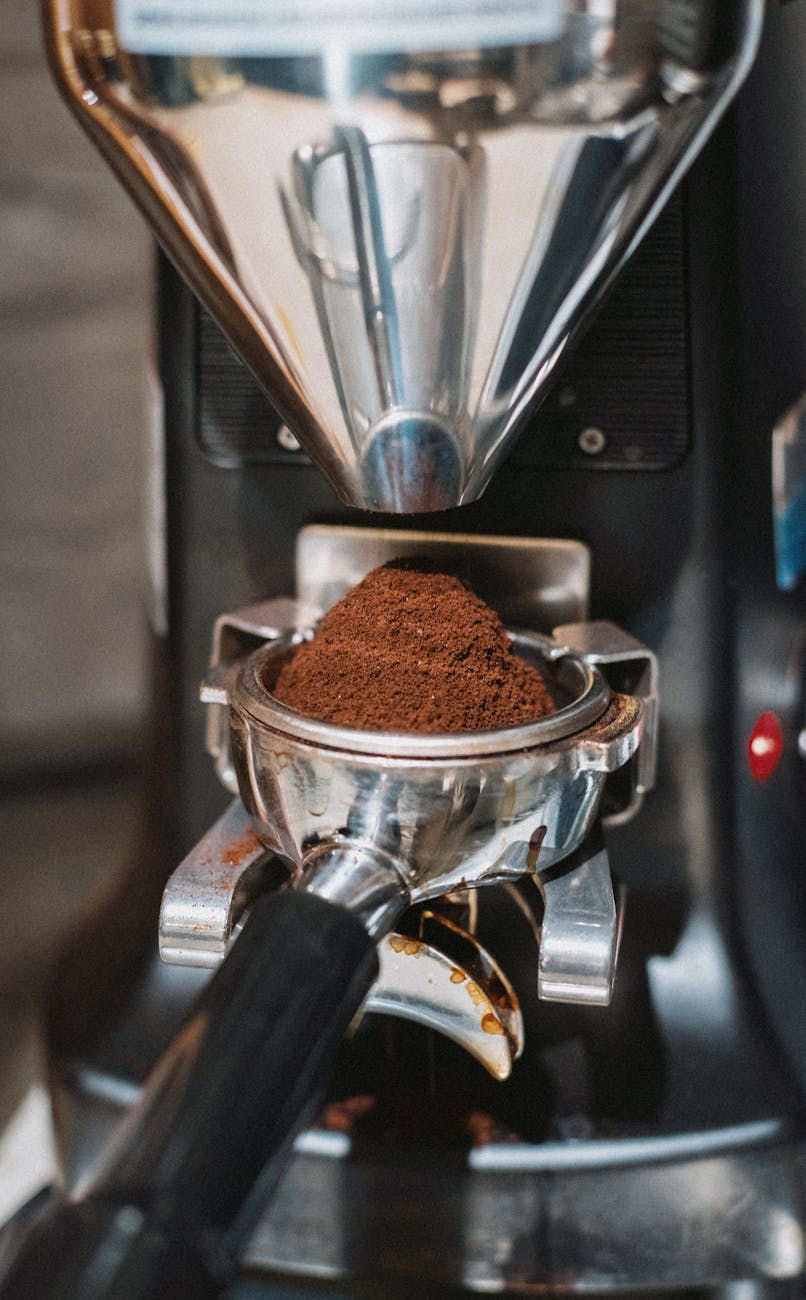
You’ve done everything right. You bought high-quality, freshly roasted beans. You meticulously weighed your dose, perfected your puck prep, and timed your shot. Yet, the espresso that trickles into your cup is disappointingly bitter, flat, and lacks the vibrant notes promised on the bag. This frustrating inconsistency can often be traced back to a hidden culprit lurking within your grinder: grind retention. It’s the small amount of old, stale coffee grounds left behind from your last session that contaminates your fresh dose. This article will delve into the critical role grind retention plays in producing stale espresso shots, exploring what it is, how it degrades your coffee, and what you can do to fight back and achieve consistently delicious results.
What exactly is grind retention?
At its core, grind retention refers to the amount of ground coffee that remains inside your grinder after a grinding cycle is complete. No grinder is perfectly efficient; small particles inevitably get left behind. These retained grounds can be trapped in various places, from the space around the burrs and the exit chute to nooks and crannies within the grinding chamber. This isn’t just a single, uniform problem. We can generally categorize it into two types:
- Static retention: This occurs when static electricity, generated by the friction of grinding, causes fine coffee particles to cling to the surfaces of the grinder, especially the chute.
- Mechanical retention: This involves grounds that are physically trapped in the grinder’s internal geometry—in screw threads, along the edges of the burrs, or in any internal crevices.
While a gram or two might not seem like much, these leftover grounds are the villains of our story. They sit there, exposed to air, growing stale until the next time you grind. This leads to the real problem: grind exchange, where these old, oxidized grounds are pushed out and mixed with your next, perfectly fresh dose.
The science of stale coffee grounds
To understand why retained grinds are so detrimental, we need to look at what happens to coffee once it’s ground. Whole beans are like tiny, natural time capsules, protecting the delicate oils and aromatic compounds within. The moment you grind them, you dramatically increase the surface area exposed to oxygen, accelerating a process called oxidation.
Oxidation is the primary enemy of coffee freshness. It causes two major negative changes. First, it degrades the volatile aromatic compounds that are responsible for coffee’s incredible flavors and aromas—think floral, fruity, or chocolatey notes. These compounds are fragile and dissipate quickly. Second, the oils within the coffee begin to go rancid, developing harsh, bitter, and unpleasant flavors. The retained grounds in your grinder are undergoing this entire process, losing their positive attributes and developing negative ones, essentially turning into flavor-destroying dust.
How retained grinds ruin your espresso
When you begin grinding a new dose, the first few grams that exit the chute are not the fresh beans you just added, but the stale, oxidized grounds that were left over from before. This “grind exchange” directly contaminates your puck, leading to a host of problems in the final cup. The impact is significant and multifaceted, affecting everything from taste to consistency.
The stale grounds introduce off-flavors, primarily a distinct, acrid bitterness from the rancid oils. They also muddy the flavor profile, masking the delicate and complex notes of your fresh coffee. It’s like adding old, stale spices to a freshly prepared gourmet meal—it just dulls everything down. Furthermore, because the amount of exchanged grounds can be inconsistent, it makes dialing in your espresso a nightmare. You might have a great shot, followed by a terrible one, even with the same settings, because the ratio of fresh to stale grounds in the puck has changed.
| Feature | Shot with Low or No Retention | Shot with High Retention |
|---|---|---|
| Taste Profile | Clear, vibrant, and with distinct notes | Muddy, muted, and dull |
| Bitterness | Balanced and pleasant | Harsh, astringent, and rancid |
| Aroma | Fragrant and complex | Faint or stale-smelling |
| Consistency | Repeatable shot times and taste | Unpredictable, with potential channeling |
Strategies for minimizing grind retention
Fortunately, you are not powerless against grind retention. There are several effective strategies and tools you can use to minimize its impact and reclaim the quality of your espresso shots.
The most common method is purging. This involves grinding a small amount of fresh beans (typically 1-3 grams) before grinding your actual dose and discarding them. This purge effectively flushes out the majority of the old, stale grounds, ensuring your main dose is as fresh as possible. While slightly wasteful, it’s a reliable technique for many traditional espresso grinders.
Another approach is to invest in a low-retention or zero-retention grinder. These grinders, often designed for single dosing, feature straight or angled grind paths, minimal empty space in the chamber, and other design elements that ensure almost all the grounds you put in come out. Many also come equipped with tools to help clear the last few particles:
- Bellows: A rubber or silicone dome on top of the grinder that you can press to force a puff of air through the grind chamber, dislodging any remaining particles.
- RDT (Ross Droplet Technique): A technique involving adding a tiny spritz of water to your whole beans before grinding. This minimal moisture dramatically reduces static, preventing grounds from clinging to the grinder’s interior and chute.
Finally, regular cleaning is non-negotiable. Periodically disassembling your grinder to brush the burrs and vacuum out the chamber will prevent old, oily grounds from building up over time.
In conclusion, grind retention is far more than a minor inconvenience; it’s a primary cause of stale, inconsistent, and disappointing espresso. The small amount of coffee grounds left in your grinder oxidizes, losing its vibrant flavors and developing rancid, bitter notes. These stale particles then contaminate your next fresh dose through grind exchange, sabotaging your shot before you even start tamping. By understanding this process, you can take control. Whether through diligent purging, utilizing tools like bellows and RDT, or investing in a modern low-retention grinder, minimizing retained grounds is a crucial step. It elevates your coffee-making from a game of chance to a craft of precision, ensuring every shot is as fresh and delicious as your beans intended.

 No products in the cart.