

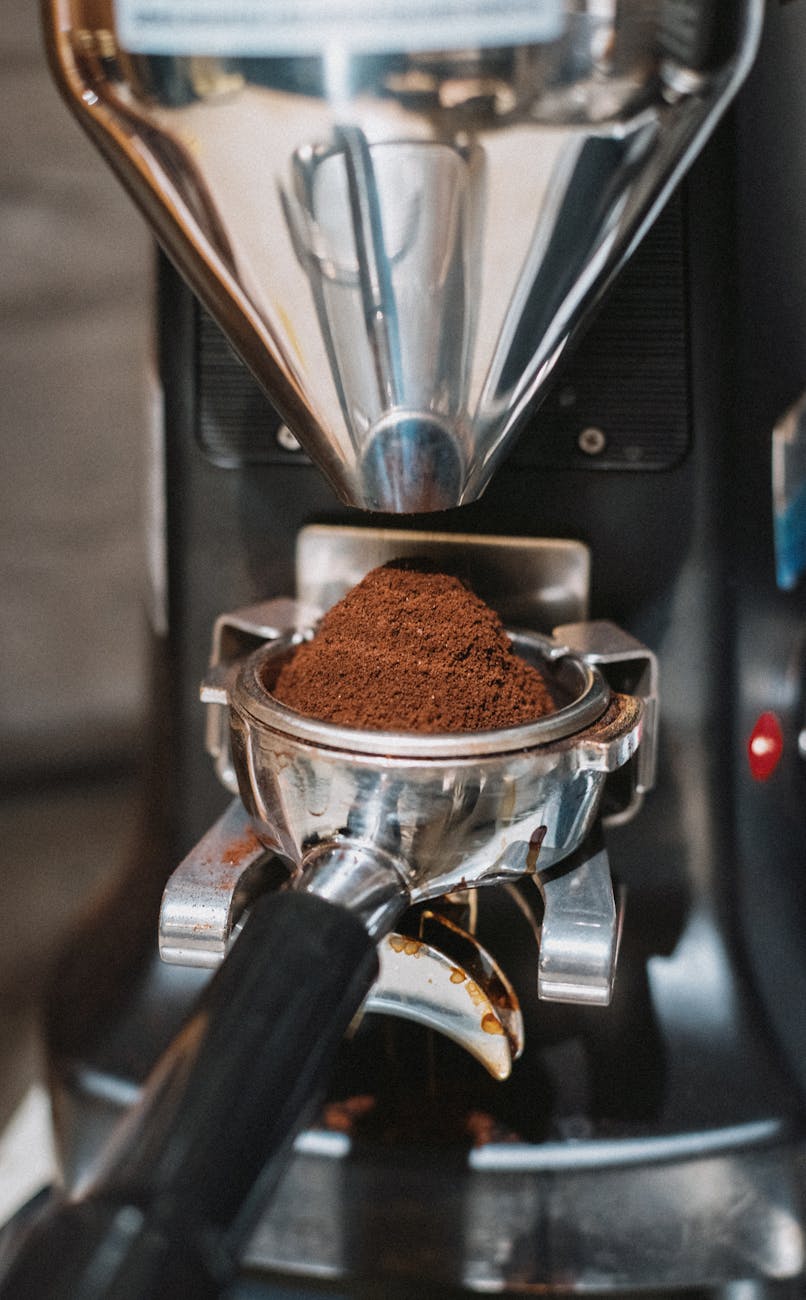
The importance of purging your grinder before the first shot of the day
The morning coffee ritual is sacred for many. It’s a moment of quiet focus before the day begins, culminating in that first, perfect sip of espresso. You’ve invested in great beans and a quality grinder, yet that first shot of the day is often disappointing—fast, sour, and lacking the rich crema you achieved yesterday. What went wrong overnight? The culprit is often hiding in plain sight: inside your grinder. The simple, two-second act of purging your grinder is one of the most overlooked yet crucial steps in achieving café-quality espresso at home. This article will delve into why clearing out old grounds is not a waste, but an essential investment in the flavor and consistency of your daily coffee.
What is grinder purging and why does it matter?
At its core, purging simply means grinding a small amount of coffee beans and discarding the grounds before you grind the dose for your actual espresso shot. It sounds wasteful, but it directly combats a problem inherent in almost every coffee grinder: grind retention. Grind retention refers to the amount of coffee grounds that remain inside the grinder’s burrs, chute, and internal mechanisms after a grinding cycle is complete. These leftover grounds don’t magically disappear. They sit there, exposed to air, until your next grinding session.
When you start your grinder the next morning, these old, retained grounds are the first to be pushed out. If you don’t purge, they become part of your first dose. Coffee is a fresh, agricultural product, and its flavor is incredibly volatile. The grounds left overnight have gone stale. They have oxidized, lost precious aromatic compounds, and absorbed ambient moisture. Mixing these lifeless grounds with your fresh ones is like adding stale breadcrumbs to a gourmet meal—it compromises the integrity and flavor of the final product, leading to a flat, bitter, or sour first shot.
The science behind stale coffee grounds
To truly understand the impact of retained grounds, we need to look at what happens to them on a chemical level. The primary enemy of coffee flavor is oxygen. A process called oxidation begins the moment coffee is ground, as the dramatically increased surface area exposes the coffee’s delicate oils and soluble compounds to air. Overnight, this process runs rampant in the retained grounds.
These oils turn rancid, creating unpleasant, bitter flavors. Simultaneously, the volatile aromatic compounds that give coffee its incredible smell and nuanced taste simply evaporate. What’s left is a shadow of the coffee you started with. Furthermore, fresh coffee beans contain trapped carbon dioxide (CO2) from the roasting process, which is essential for creating a thick, stable crema on your espresso. The grounds left overnight have completely degassed. When they mix into your portafilter, they create channels for water to flow through too quickly, resulting in a fast, under-extracted shot with a thin, bubbly crema that vanishes almost instantly.
How grind retention affects your espresso recipe
Beyond flavor degradation, grind retention directly sabotages your efforts to “dial in” your espresso. Dialing in is the process of adjusting the grind size to achieve a target brew time and yield, ensuring a balanced extraction. Here’s how stale grounds interfere:
- Grind exchange: Imagine you finished your coffee-making yesterday and decided your next shot needed to be a bit finer. You adjusted the grinder and went about your day. This morning, the grounds retained in the burrs are still at the old, coarser setting. Purging clears out these coarse particles and ensures the grounds you use for your shot are at the new, finer setting you intended. Without a purge, your first shot will be a gusher, flowing way too fast and tasting sour.
- Inconsistent dosing: The weight of the retained grounds can be significant, from one to several grams depending on the grinder. This “stale dose” introduces a major variable, making it impossible to achieve consistent results from your first shot to your last.
Ultimately, failing to purge forces you to re-dial your grinder every single morning, chasing that perfect shot. You end up wasting more coffee and time making sink shots than you would have by simply purging a few grams of beans in the first place.
A practical guide to purging your grinder
Incorporating a purge into your routine is simple and takes only a few seconds. The goal is to flush out any grounds that have been sitting in the grinder since its last use. The amount you need to purge depends heavily on the design of your grinder, as some models have higher retention than others.
How much should you purge? Here’s a general guide:
| Grinder Type | Typical Retention | Recommended Purge Amount |
|---|---|---|
| Entry-Level Conical Burr Grinder | High (2-5g) | 2-5 grams (or a 2-3 second grind) |
| Prosumer Flat Burr Grinder | Moderate (1-3g) | 1-3 grams (or a 1-2 second grind) |
| Zero-Retention / Single-Dose Grinder | Very Low (<0.5g) | Often unnecessary, but a tiny 0.5g purge can clear dust. |
The key moments to purge are:
- Before the first shot of the day: This is the most critical purge to clear out stale, oxidized grounds.
- After a significant grind size adjustment: If you make a large change to your grind setting (e.g., switching from espresso to French press and back), purge a few grams to ensure the burrs are clear of the old setting.
To avoid being wasteful, you can collect the purged grounds and use them for composting or as a natural deodorizer in your refrigerator. Think of it not as waste, but as a necessary calibration for quality.
In conclusion, the practice of purging your coffee grinder is far from a wasteful affectation for coffee snobs. It is a fundamental technique rooted in the science of coffee extraction and freshness. By taking a few seconds to flush out the stale, oxidized grounds retained from the previous day, you are taking control of the variables that stand between you and a perfect espresso. This simple act ensures that your first shot is brewed with 100% fresh grounds at the precise size you intended, eliminating the frustration of an inconsistent morning shot. It transforms the “dialing in” process from a daily battle into a rare, minor adjustment. Ultimately, purging is a small investment of beans for a huge return in flavor, consistency, and daily satisfaction.



 No products in the cart.