

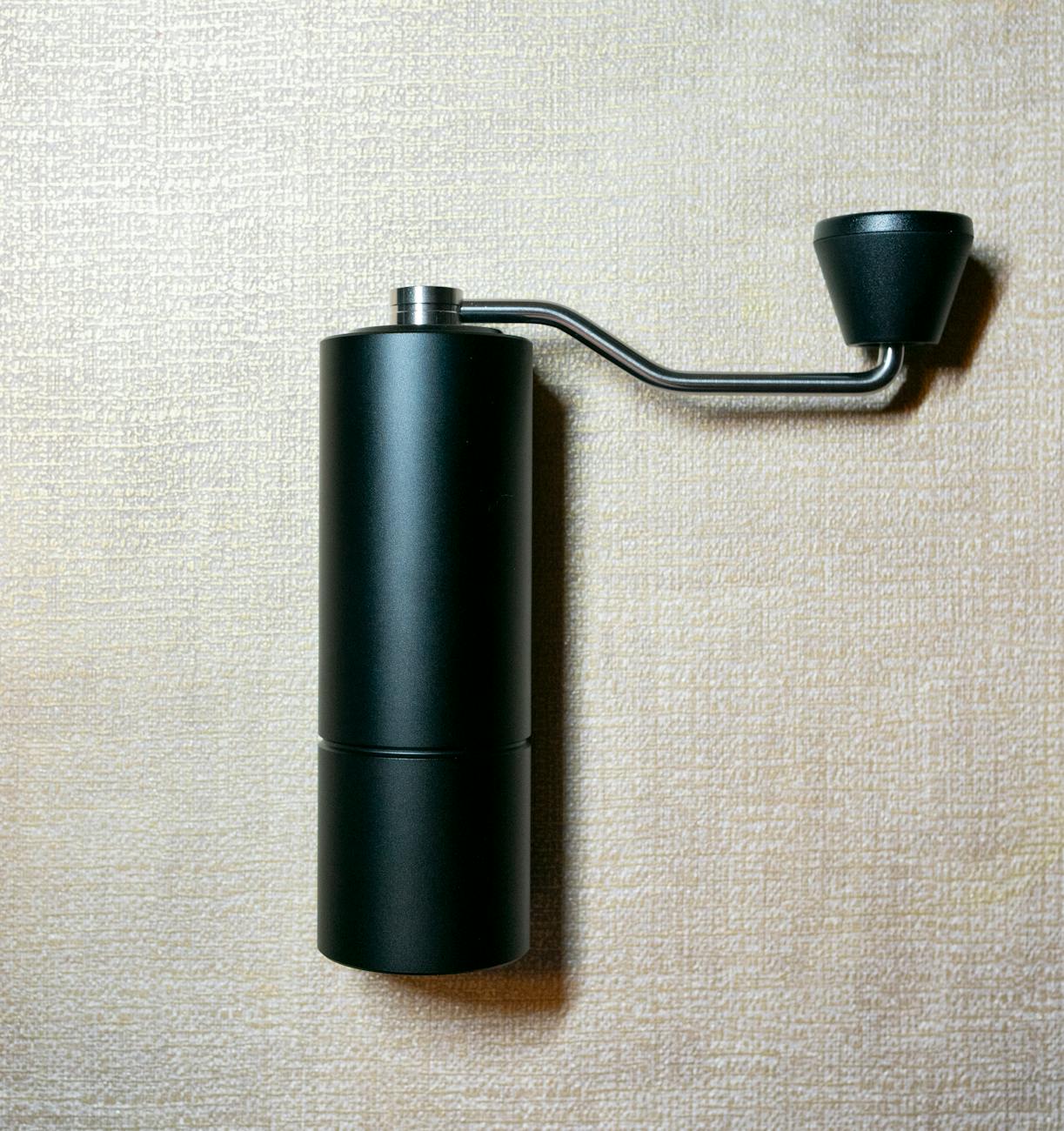
Your espresso grinder is the unsung hero of your coffee setup. While we often focus on the espresso machine, the grinder does the crucial work of preparing the coffee beans for extraction. But like any tool with a cutting edge, its components wear down over time. The grinder’s burrs, the sharp metal or ceramic discs that crush and cut your coffee beans, will eventually become dull. When this happens, the quality of your espresso can take a nosedive. Recognizing the signs of dull burrs is essential for any home barista who wants to maintain a high standard of coffee. This guide will walk you through the key indicators, from changes in your grind and shot times to the flavor in your cup.
The decline in grind consistency
The primary job of a grinder is to produce coffee grounds that are as uniform in size as possible. Sharp burrs achieve this by cleanly shearing and cutting the coffee beans into consistent particles. When burrs become dull, they lose their sharp cutting edges. Instead of cutting, they begin to crush, shatter, and pulverize the beans.
This results in a less consistent grind, characterized by:
- More fines and boulders: You’ll notice an increase in both very fine, dust-like particles (fines) and much larger chunks (boulders). This inconsistent particle distribution is a classic sign of dull burrs and is detrimental to a good extraction.
- Increased clumping and static: A grind from dull burrs often appears less fluffy and is more prone to clumping. The shattering action can also generate more static, causing grounds to cling to your grinder and portafilter, creating a mess.
This loss of consistency is the root cause of many of the problems that follow, directly impacting how water interacts with the coffee during brewing.
Chasing the perfect shot time
If you find yourself constantly adjusting your grinder to a finer setting to achieve the same shot time, your burrs are likely on their way out. This is perhaps the most common and telling sign that home baristas experience. Here’s why it happens: the increase in large particles, or “boulders,” from dull burrs creates larger gaps in the coffee puck. Water is lazy and will always follow the path of least resistance, a phenomenon known as channelling.
Water rushes through these channels, avoiding other parts of the puck and leading to a fast, under-extracted shot. To compensate, you grind finer. This works for a while, as the increased fines help to fill the gaps and provide resistance. However, you’ll reach a point where you are at or near the finest setting on your grinder, and your shots are still “gushing” out in under 20 seconds. This constant “chasing the grind” is a clear signal that the burrs are no longer doing their job effectively.
A downgrade in flavor
Ultimately, the proof is in the cup. Even if you manage to hit your target 25-30 second shot time by grinding extremely fine, the flavor profile of your espresso will suffer. The inconsistent particle size from dull burrs leads to an uneven extraction. The result is a cup that tastes confusing and unpleasant.
You’ll get a mix of undesirable flavors all at once:
- Sourness: The large particles (boulders) under-extract, contributing sour, acidic notes.
- Bitterness and astringency: The excessive fine particles over-extract very quickly, contributing harsh, bitter, and drying (astringent) flavors.
The beautiful, balanced sweetness and complex flavor notes you love in your favorite coffee beans will be muted, replaced by a muddled, hollow, and often harsh taste. If your coffee suddenly starts tasting bad and you can’t seem to dial it in, dull burrs are a primary suspect.
Physical inspection and lifespan estimates
While performance issues are the easiest to spot, you can also look for physical and auditory clues. A change in the sound of your grinder can be an indicator. It may sound like the motor is straining more, or the sound of the beans being ground is less of a clean “slicing” sound and more of a low-pitched “rumbling” or crushing sound.
For a definitive answer, a physical inspection is best. After unplugging your grinder, carefully remove the top burr according to your manufacturer’s instructions. Run your fingernail gently over the cutting edges of the burrs. Sharp burrs will feel distinctly sharp and catch your nail. Dull burrs will feel smooth and rounded. The edges will have lost their bite.
It’s also helpful to know the general lifespan of your burrs. This varies by material, size, and type, but here are some general estimates:
| Burr Type | Material | Estimated Lifespan (kg of coffee) |
|---|---|---|
| Flat | Standard Steel | 250 – 400 kg |
| Conical | Standard Steel | 500 – 750 kg |
| Flat | Coated Steel (e.g., TiN) | 800 – 1500+ kg |
| Conical | Coated Steel (e.g., TiN) | 1000 – 2000+ kg |
| Flat/Conical | Ceramic | 700 – 1000 kg |
Note: These are estimates. Factors like bean density and roast level can affect burr longevity.
To summarize, the signs of dull burrs create a clear chain reaction. The decline begins with poor grind consistency, leading to erratic shot behavior like gushing and channelling. This forces you to grind ever finer to compensate, which ultimately results in a cup of espresso that tastes both sour and bitter, lacking the clarity and sweetness you expect. If you experience these symptoms, a physical inspection will likely confirm that the burr edges have become rounded and smooth. Don’t let dull burrs compromise your coffee experience. Replacing them is a relatively inexpensive and simple maintenance task that pays huge dividends, restoring the performance of your grinder and bringing back the delicious, consistent espresso you crave.


 No products in the cart.