

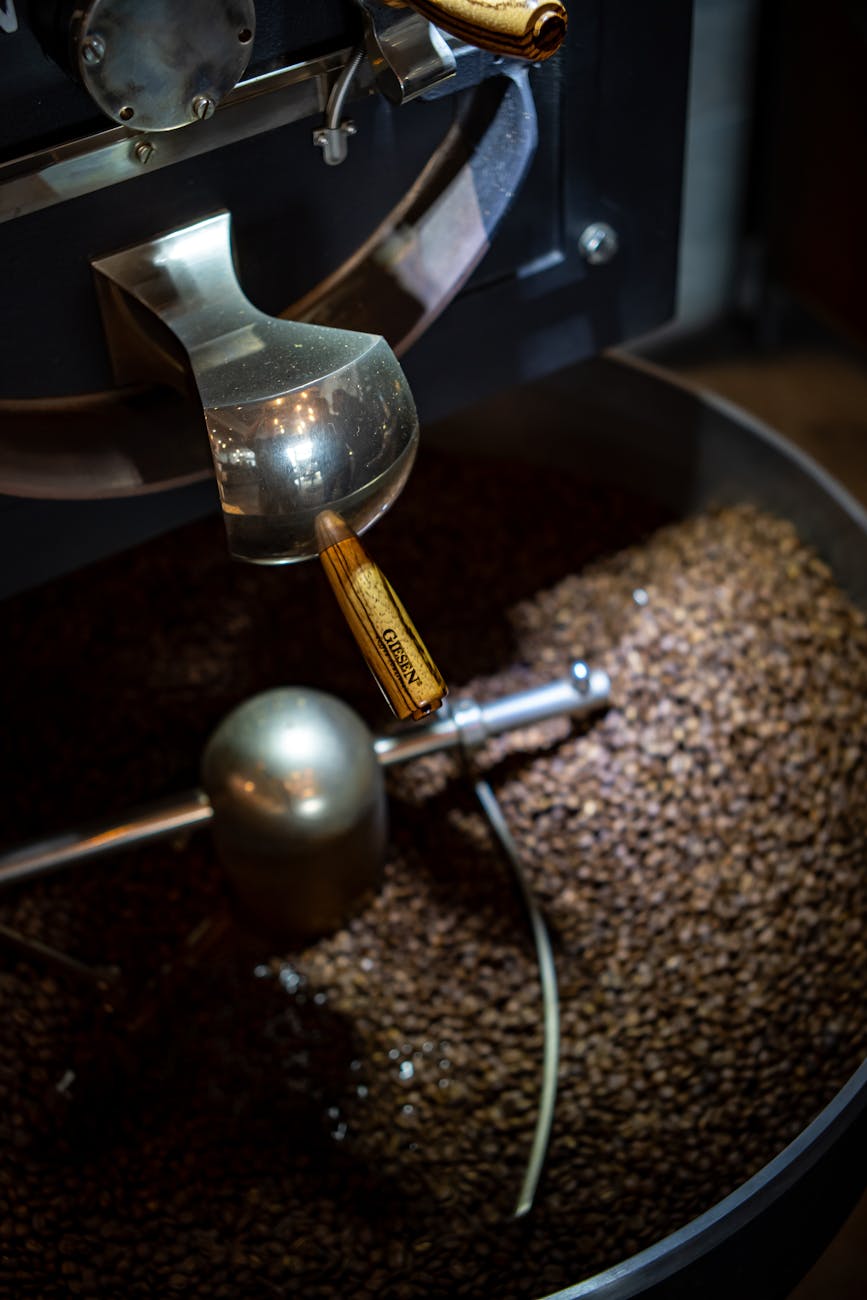
High-elevation coffee beans are celebrated in the specialty coffee world for their vibrant acidity, delicate floral notes, and complex flavor profiles. Grown in thin air and cooler climates, these beans mature slowly, developing a remarkable density and a concentration of sugars and acids. However, this very density that creates such sought-after flavors can also make them challenging to brew as espresso. When not handled correctly, that bright acidity can easily tip over into sharp, unpleasant bitterness. This guide is for the home barista and coffee enthusiast looking to tame that bitter bite. We will explore why these beans behave the way they do and provide a systematic approach to adjusting your brewing variables to pull a sweet, balanced, and truly exceptional shot of espresso.
Understanding the bean: Density and extraction
The first step in taming bitterness is understanding its source. Coffee beans grown at high altitudes (typically above 1,200 meters or 4,000 feet) are physically harder and denser than their lower-elevation counterparts. This density means the bean’s cellular structure is more compact, making it less porous and less soluble. When you brew espresso, you are using hot, pressurized water to dissolve solids and oils from the coffee grounds. With a denser bean, this process is naturally more difficult and less efficient.
Bitterness in coffee isn’t inherently bad; think of the pleasant bitterness in dark chocolate or Campari. The problem arises from over-extraction. This happens when water is in contact with the coffee for too long or too aggressively, pulling out undesirable, astringent compounds after all the desirable sugars and acids have already been dissolved. With dense, high-elevation beans, baristas often fall into a trap: they grind finer and finer to try and increase extraction, but this can lead to channeling, where water punches holes in the coffee puck, over-extracting those channels while leaving the rest of the puck under-extracted. The result is a confusing shot that is both sour and bitter. The goal is not to eliminate bitterness, but to achieve a harmonious balance where sweetness, acidity, and bitterness coexist.
Dialing in your grind, dose, and temperature
Your journey to a balanced shot begins with the fundamentals: your grind, dose, and water temperature. These variables work together to control the rate of extraction. Given the low solubility of high-elevation beans, your approach needs to be more nuanced.
- Grind size: Instead of immediately grinding super fine, try starting a touch coarser than you would for a standard espresso blend. A slightly coarser grind can improve water’s ability to flow evenly through the dense puck, reducing the risk of channeling and the associated bitterness. You are aiming for an even, consistent extraction across the entire bed of coffee.
- Dose: The amount of coffee in your portafilter basket also plays a role. Sometimes, slightly reducing your dose (e.g., from 18g to 17.5g in an 18g basket) can give the coffee grounds a bit more room to swell during pre-infusion. This can help promote more even water saturation and prevent the puck from becoming overly compacted, which can choke the machine and lead to over-extraction.
- Water temperature: Hotter water extracts more efficiently. For dense beans, increasing your brew temperature by a degree or two (e.g., from 93°C to 94°C or 200°F to 202°F) can help unlock some of the stubborn sugars and pleasant acids. Be careful, though, as excessively high temperatures can scorch the coffee and introduce a different kind of bitterness. Make small, incremental adjustments to find the sweet spot for your specific bean.
Controlling the flow: Ratio and shot time
Once you have a baseline for your grind and temperature, the final key lies in managing your brew ratio and time. These are perhaps the most powerful tools for balancing the final taste in the cup. The brew ratio simply refers to the weight of dry coffee grounds versus the weight of the liquid espresso you produce. A standard espresso is often pulled at a 1:2 ratio (e.g., 18 grams of coffee yields 36 grams of espresso).
With high-elevation beans known for their bright, sometimes sharp, acidity, pulling a longer shot can work wonders. By extending the ratio to 1:2.5 or even 1:3, you are using more water to dilute the shot. This does two things: it reduces the perceived intensity of the acidity and bitterness, and it allows the water more contact time to pull out additional sweetness to create a better balance. Don’t be fixated on the “perfect” 25-30 second shot time. Let the taste be your guide. If your longer ratio shot tastes balanced and sweet, then the time it took to get there is the correct time.
The following table provides a quick troubleshooting guide for when you taste excessive bitterness in your shot.
| Variable Adjustment | Potential Impact on Taste | Reasoning |
|---|---|---|
| Grind Coarser | Less Bitter, More Acidic | Reduces surface area and speeds up water flow, leading to lower overall extraction. |
| Lower Water Temperature | Less Bitter, Potentially Sour | Water extracts soluble compounds more slowly, reducing the risk of pulling out bitter elements. |
| Use a Longer Ratio (e.g., 1:2.5) | More Balanced, Sweeter | Dilutes the shot and allows for more sugar extraction to balance the bitterness and acidity. |
| Decrease Dose Slightly | Less Bitter, More Even Extraction | Reduces puck resistance, which can prevent channeling and localized over-extraction. |
Bringing it all together
Pulling the perfect espresso shot from high-elevation beans is a rewarding challenge that pushes you to be a more intuitive and methodical barista. The key is to move away from rigid rules and embrace a process of systematic experimentation. Remember that these beans are dense and less soluble, so your goal is to promote an even, well-paced extraction. Start with a slightly coarser grind than you might expect, consider a small bump in brew temperature, and don’t be afraid to explore longer brew ratios to find the ideal balance of sweetness, acidity, and bitterness. By changing only one variable at a time and, most importantly, tasting every shot, you can unlock the incredible complexity hidden within these unique beans, transforming potential bitterness into a beautifully balanced and vibrant cup.


 No products in the cart.