

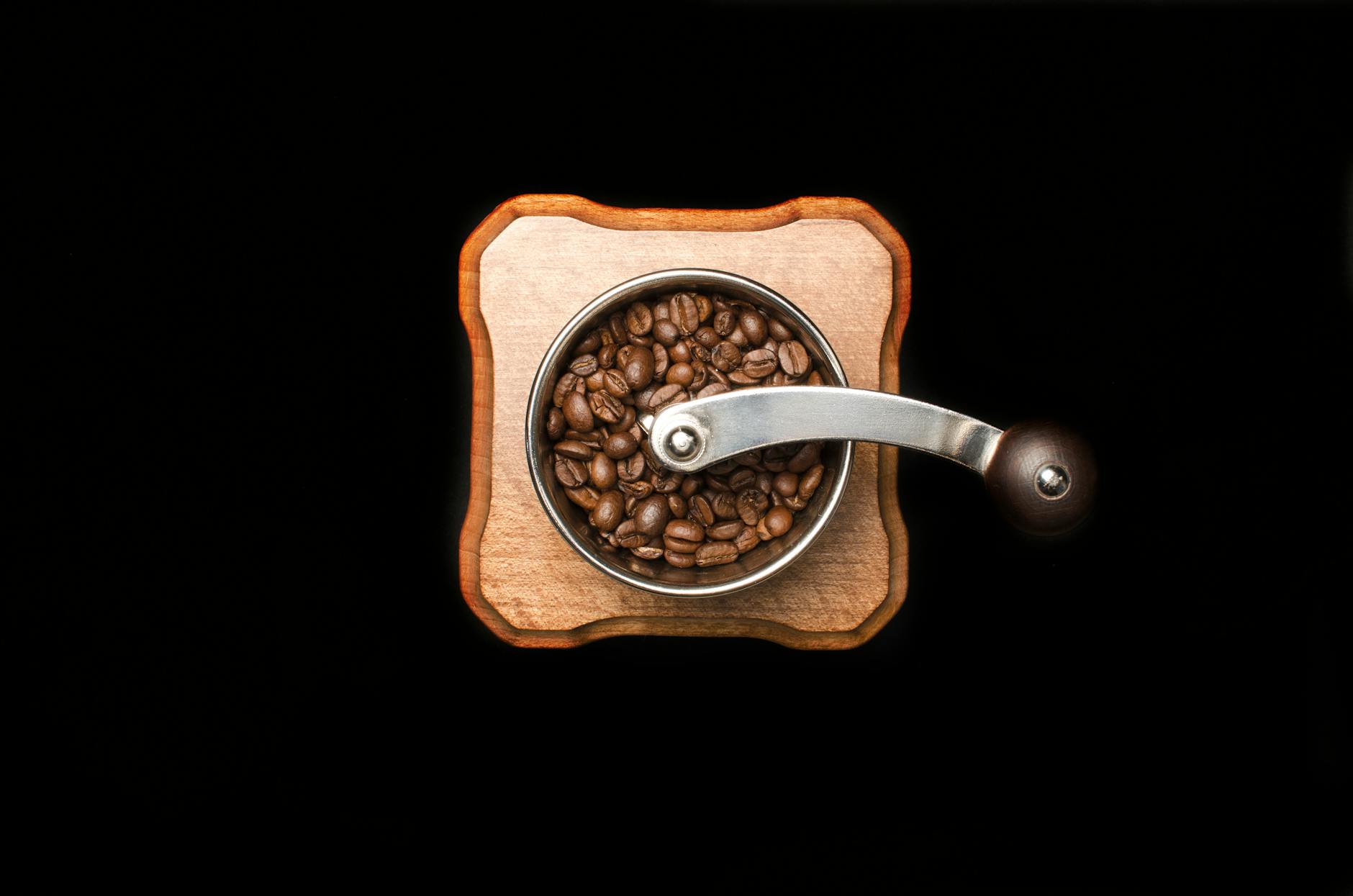
The quest for the perfect espresso shot is a journey every home barista understands. We invest in high-quality grinders, precision scales, and, most importantly, exceptional coffee beans. But how do we maintain that peak freshness from the first shot to the last? The answer might be hiding in your kitchen’s coldest appliance. Freezing espresso beans has become a hot topic, moving from a niche practice to a mainstream technique for preserving flavor and improving consistency. This article delves into the science behind freezing beans, how it fundamentally alters your daily grinding routine, and whether this meticulous method is the right step for elevating your home coffee game. Let’s explore if the freezer is the ultimate tool for coffee preservation.
The science of preserving coffee in the cold
To understand why freezing works, we first need to look at what makes coffee go stale. The primary culprits are oxidation and degassing. Once you open a bag of coffee, oxygen begins to attack the delicate aromatic oils, causing them to break down and lose their flavor. Simultaneously, carbon dioxide, a byproduct of the roasting process, escapes the beans. While some degassing is necessary, excessive loss leads to a flat and lifeless espresso. Freezing dramatically slows down these processes. By lowering the temperature to sub-zero levels, you essentially put the bean’s aging process on pause, locking in those volatile compounds that create the complex flavors and aromas we crave.
However, the biggest threat when freezing is moisture. When beans are moved from a cold to a warm environment, condensation immediately forms on their surface. This moisture is disastrous, accelerating the staling process and potentially damaging your grinder’s burrs. This is why proper storage is not just recommended; it’s essential. You must use completely airtight containers and, ideally, vacuum-seal the beans to remove as much air and potential moisture as possible before they ever touch the freezer.
How freezing transforms your grind
This is where the practice moves from simple preservation to performance enhancement. Freezing changes the physical properties of the coffee bean, making it significantly more brittle. When you grind a room-temperature bean, it tends to break apart in a slightly less predictable way. A frozen bean, however, shatters. This “brittle fracture” results in a much more uniform particle size distribution. Instead of a mix of boulders and fines, you get a more consistent collection of grounds.
What does this mean for your espresso? A more uniform grind size allows for a more even extraction. Water can pass through the coffee puck more consistently, extracting desirable flavors from all particles at a similar rate. This often leads to a shot with greater clarity, sweetness, and complexity, while reducing the chances of channeling and bitterness caused by over-extraction of fine particles. A key change to your routine is the grind setting itself. Because frozen beans shatter so uniformly, you will need to grind finer than you would for the same beans at room temperature to achieve the same flow rate and shot time. This adjustment is a crucial part of integrating freezing into your daily workflow.
A practical guide to the freezer-to-grinder routine
Adopting this method requires a change in your daily habits. It’s not as simple as throwing a bag in the freezer. To do it correctly and reap the benefits, you must be meticulous. The golden rule is: grind the beans directly from the freezer. Never, ever let them thaw. Thawing is what creates the dreaded condensation.
- Portion your beans first: The most effective method is to single-dose. As soon as you get a new bag of coffee, weigh out individual doses (e.g., 18 grams, 20 grams) for each shot you plan to pull.
- Use airtight containers: Place each single dose into a small, airtight container. Small test tubes with screw caps or vacuum-sealable bags are perfect for this. The goal is to minimize the amount of air sealed in with the beans.
- Freeze them quickly: Place your portioned beans in the coldest part of your freezer to freeze them as quickly as possible. This helps prevent large ice crystals from forming and damaging the bean’s cellular structure.
- Grind frozen: When you’re ready to make an espresso, take one portioned container from the freezer. Open it and immediately pour the frozen beans into your grinder. Do not wait. Grind, tamp, and pull your shot as you normally would.
Remember to dial in your grinder again. Start with a much finer setting than you would normally use and adjust from there to hit your target shot time. This initial calibration is part of the new routine.
Weighing the pros and cons
Is freezing espresso beans the right choice for every home barista? It certainly offers compelling advantages, but it’s not without its drawbacks. The process requires discipline and an upfront investment in time and equipment. For some, the added complexity might outweigh the potential benefits. For others, particularly those who buy expensive, light-roast single-origin coffees in bulk, it’s a non-negotiable step for preserving their investment and chasing the perfect shot. Ultimately, the decision depends on your personal coffee goals and how much effort you’re willing to put into your daily routine.
| Pros of freezing beans | Cons of freezing beans |
|---|---|
| Preserves peak freshness for months, reducing waste. | Requires meticulous prep work (weighing, portioning, sealing). |
| Leads to more consistent grind particle size. | Risk of condensation ruining beans if done incorrectly. |
| Can result in sweeter, more complex espresso extractions. | Requires an investment in airtight/vacuum-sealing supplies. |
| Allows you to buy coffee in larger, more economical quantities. | Adds a layer of complexity to the daily coffee-making ritual. |
Final thoughts on the frozen bean workflow
Freezing espresso beans is more than just a storage hack; it’s a technique that fundamentally alters the physical nature of the coffee, directly impacting your grinding routine and the final quality of your shot. By making the beans more brittle, it allows for a more uniform grind, which can lead to a more even and delicious extraction. However, this benefit comes at the cost of convenience. The process demands a strict, disciplined workflow centered around single-dosing, airtight containers, and the cardinal rule of grinding straight from the freezer. For the dedicated enthusiast aiming for ultimate control and repeatability, mastering this technique is a powerful tool. It transforms your daily grind from a simple step into a calculated part of the extraction process.

 No products in the cart.