

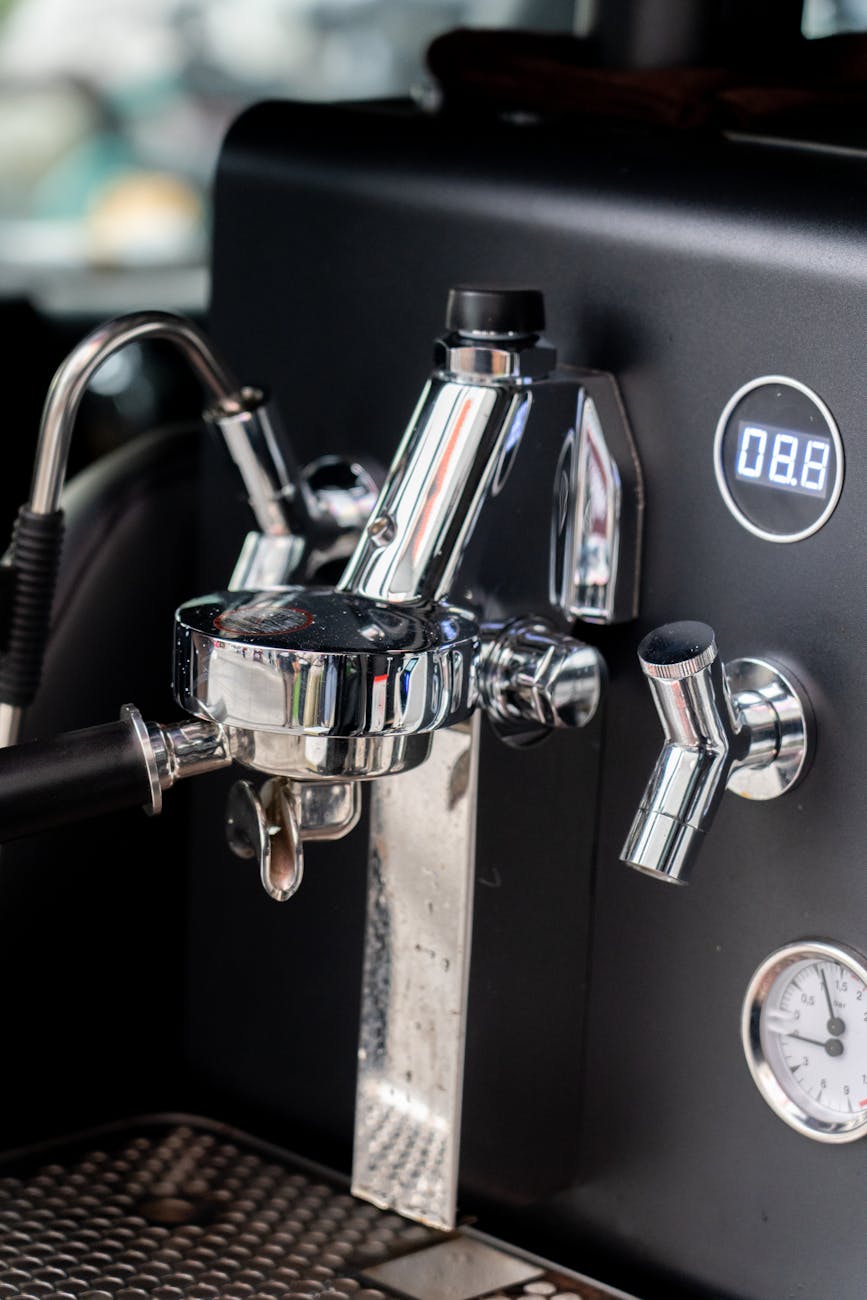
How to dial in espresso with dark oily coffee beans: a complete guide
There’s something uniquely satisfying about a classic, syrupy shot of espresso pulled from dark, oily beans. Think of Italian or French roasts; their deep, chocolatey, and bold flavors are what many people imagine when they think of espresso. However, these same beans can be a source of immense frustration for the home barista. Their oily sheen and brittle structure present a unique set of challenges that can easily lead to a bitter, ashy, and disappointing cup. If you’ve ever struggled to tame a dark roast, you’re not alone. This guide will walk you through the specific adjustments and techniques required to master these tricky beans and consistently pull a rich, balanced, and delicious shot of espresso from them.
Understanding the challenge of dark roasts
Before we can adjust our technique, we need to understand why dark, oily beans behave so differently from their lighter counterparts. It all comes down to the roasting process. To achieve that deep, dark color, the beans are roasted for a longer period and at a higher temperature. This process pushes the internal oils to the surface, creating that characteristic sheen.
This intense roast has several important consequences for espresso extraction:
- Increased brittleness: The prolonged heat makes the bean structure more fragile and porous. When you grind them, they shatter easily, creating more fine particles than a denser, lighter roast at the same grinder setting.
- Higher solubility: The roasting process breaks down the cellular structure of the bean, making its flavor compounds more soluble in water. This means they extract much, much faster.
- Oiliness: The surface oils can wreak havoc on your equipment. They build up on grinder burrs, leading to inconsistent grinds, and can clog the tiny holes in your portafilter basket.
In short, dark roast beans want to give up their flavor very quickly and can easily produce fine particles that choke your machine. Our goal is to control this rapid extraction to capture the sweet spot and avoid the harsh, bitter notes that follow.
Adjusting your recipe: dose, yield, and time
Dialing in any espresso is a game of balancing variables, but with dark roasts, you need to change your starting point entirely. Throw out the standard 1:2 ratio in 25-30 seconds. For dark, oily beans, you need to think less and faster.
Your primary goal is to reduce the total contact time between the water and the coffee to prevent over-extraction. We achieve this by adjusting three key variables:
- Start with a lower dose: Dark roast beans are less dense than light roasts. An 18-gram dose that works perfectly for a medium roast might overfill the basket and touch the shower screen with a dark roast. This can cause channeling. Try starting with a lower dose, such as 16 or 17 grams in a standard double basket.
- Aim for a tighter brew ratio: Instead of a 1:2 ratio (e.g., 18g in, 36g out), aim for a more concentrated, ristretto-style ratio. A great starting point is 1:1.5. For a 17g dose, you would be looking for about 25-26g of liquid espresso in your cup. This shorter pull significantly reduces the chance of extracting bitter compounds.
- Target a faster shot time: Because of their high solubility, you don’t need 30 seconds to extract the good stuff. In fact, going that long will almost certainly introduce ashy flavors. Aim for a total shot time of 20-25 seconds, from the moment you press the button.
Remember, these are starting points. The most important tool you have is your palate. If your shot tastes overwhelmingly bitter or burnt, you’ve extracted too much. The easiest fix is to coarsen your grind to speed up the shot and reduce extraction.
Grind setting, temperature, and puck prep
With our new recipe in mind, we need to adjust our machine and preparation technique. The biggest mistake baristas make is using the same fine grind setting they use for other beans.
Grind coarser than you think. This is the most critical adjustment. Because dark roast beans are so brittle, a “normal” espresso setting will produce an excess of fine particles, slowing the shot down to a crawl and causing bitterness. Start with a noticeably coarser grind setting. This allows the water to flow through more freely, helping you hit that faster 20-25 second shot time. Make small, incremental adjustments from this coarser starting point.
Lower your brew temperature. Hotter water extracts coffee faster. Since we’re already dealing with highly soluble beans, using a lower water temperature can be a powerful tool for taming bitterness. If your machine has temperature control, try setting it between 88-92°C (190-198°F). This is a few degrees cooler than typical settings for lighter roasts and will result in a smoother, less aggressive extraction.
Proper puck preparation remains vital. Use a Weiss Distribution Technique (WDT) tool to break up any clumps from the grinder, ensure an even distribution, and tamp level and consistently. A level bed is crucial for preventing channeling, where water punches a hole through the puck, leading to a shot that is simultaneously sour and bitter.
| Variable | Recommended Starting Point | Why it Works |
| Dose | 16-17g (in 18g basket) | Prevents overfilling the basket due to lower bean density. |
| Grind | Significantly coarser than medium roast | Compensates for brittleness and prevents choking the machine. |
| Yield (Ratio) | 1:1.5 (e.g., 17g in, 25g out) | Reduces contact time to avoid extracting bitter flavors. |
| Time | 20-25 seconds | Captures the sweet spot before ashy notes emerge. |
| Temperature | 88-92°C (190-198°F) | Slows down extraction for a smoother, less bitter taste. |
The importance of a clean setup
Finally, you cannot neglect equipment maintenance when working with oily beans. The oils that give dark roasts their flavor will quickly build up on your grinder burrs, in your portafilter, and on your machine’s shower screen. These oils go rancid over time, imparting a stale, unpleasant taste to every subsequent shot you pull, no matter how perfect your technique is.
Establish a strict cleaning routine. Purge your grinder of a few beans before every session. After you’re done brewing for the day, brush your grinder burrs clean. At least once a week, use grinder cleaning pellets to absorb and remove stubborn oil residue. You should also backflush your machine’s group head with a cafiza-style detergent weekly to dissolve the coffee oils that have accumulated there. A clean machine is the foundation of good espresso, and with oily beans, it’s non-negotiable.
Conclusion: embracing the classic shot
Dialing in dark, oily coffee beans is a distinct skill that requires you to unlearn some of the standard espresso rules. The key is to shift your entire approach to accommodate their fast-extracting and brittle nature. By starting with a coarser grind, using a lower dose, aiming for a tighter 1:1.5 brew ratio in a faster 20-25 second window, and reducing your brew temperature, you take control of the extraction. This allows you to sidestep the common pitfalls of bitterness and astringency that plague so many attempts. While it may take a few tries to find the perfect balance for your specific beans and setup, the reward is worth the effort: a beautifully syrupy, rich, and classic espresso full of deep chocolate and roasted notes. It’s a rewarding process that connects you to the timeless tradition of espresso.

 No products in the cart.