

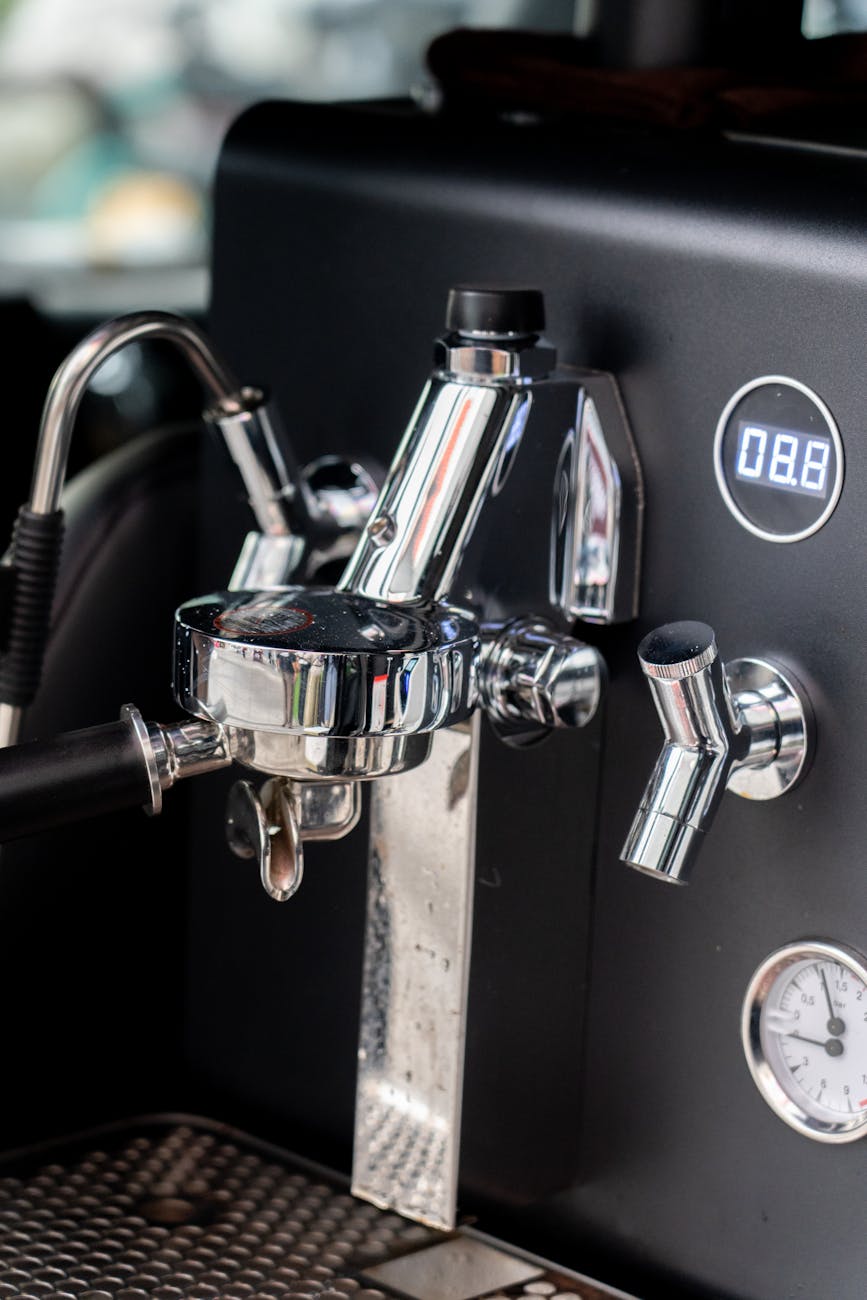
Your home espresso machine is the heart of your morning ritual, a gateway to rich, aromatic coffee that kickstarts your day. But deep within its intricate network of pipes and boilers, a silent threat lurks: limescale. This mineral buildup, a natural result of heating water, can slowly cripple your machine’s performance and ruin the taste of your espresso. Protecting your investment and ensuring every cup is perfect requires regular maintenance, with descaling being one of the most critical tasks. Understanding how often you need to descale, and more importantly, how to do it safely, is non-negotiable for any serious home barista. This guide will walk you through everything you need to know about keeping your machine in peak condition.
Why descaling is non-negotiable for your espresso machine
To understand the importance of descaling, you first need to understand the enemy: limescale. Most water, especially tap water, contains dissolved minerals like calcium and magnesium. When this water is heated inside your espresso machine’s boiler and pipes, these minerals precipitate out and form a hard, chalky deposit. This is limescale.
At first, a thin layer might seem harmless, but it quickly builds up with serious consequences:
- Poor taste: Limescale can leach a bitter, chalky flavor into your coffee, overpowering the delicate notes of your expensive beans.
- Inconsistent temperature: Scale acts as an insulator on the heating element, forcing it to work harder and often failing to reach the optimal brewing temperature. This leads to under-extracted, sour-tasting espresso.
- Reduced flow: As scale builds up, it constricts the pathways for water, leading to a weak stream from the group head and steam wand. This chokes the machine and makes pulling a proper shot impossible.
- Permanent damage: Left unchecked, limescale can cause blockages that lead to pump failure, broken valves, and corroded components. These are often expensive and difficult repairs that could have been easily avoided.
Descaling isn’t just cleaning; it’s essential preventative maintenance that ensures your machine operates efficiently and has a long, productive life.
The key factor: understanding your water hardness
There is no single magic number for how often to descale. The most crucial factor determining your descaling schedule is the hardness of your water. Hard water contains a high concentration of minerals and will create limescale much faster than soft water. Ignoring this variable is the biggest mistake a home barista can make.
So, how do you know your water hardness? You have a few simple options:
- Use water test strips: These are inexpensive, widely available online, and give you an instant reading.
- Check with your local water utility: Most municipalities publish annual water quality reports on their websites, which will tell you the mineral content.
- Use a TDS meter: A Total Dissolved Solids (TDS) meter gives you a precise reading of the total amount of mobile charged ions, including minerals, salts, and metals, in a water supply.
Once you know your water hardness, you can establish a reliable descaling schedule. Using filtered water from a pitcher or an in-line system can help, but remember that most standard carbon filters only remove chlorine and affect taste—they do not significantly soften the water. Only specific softening filters or using bottled water with a known mineral content will change your schedule.
| Water Hardness Level | Grains per Gallon (GPG) / Parts per Million (PPM) | Recommended Descaling Frequency |
|---|---|---|
| Soft | 0-3 GPG / 0-60 PPM | Every 4-6 months |
| Moderately Hard | 3-7 GPG / 61-120 PPM | Every 2-3 months |
| Hard | 7-10 GPG / 121-180 PPM | Every month |
| Very Hard | 10+ GPG / 180+ PPM | Every 3-4 weeks |
The safe descaling process: choosing the right solution and method
Now that you know when to descale, it’s critical to know how to do it safely. Using the wrong product or method can cause more harm than good.
Choosing your descaler:
The biggest debate is often between commercial descalers and household solutions like vinegar. You should avoid using vinegar. While it is acidic, it can be too aggressive for the internal components of an espresso machine. The acetic acid in vinegar can corrode metals like aluminum (found in many boilers) and damage the delicate rubber and silicone seals and gaskets, leading to leaks. Furthermore, its strong odor is notoriously difficult to fully rinse out, leaving you with vinegary espresso for days.
The safest bet is to use a descaling solution specifically formulated for espresso machines. These are typically based on citric acid or lactic acid, which are effective at dissolving mineral scale without being corrosive to the machine’s internal parts.
The general descaling process:
- Always consult your manual: Every machine is different. Your manufacturer’s manual is the ultimate authority and will provide specific instructions.
- Prepare the solution: Mix the descaling powder or liquid with the specified amount of water in your machine’s water tank.
- Run the solution through: Turn the machine on and run the solution through the group head and the steam wand, following the cycle outlined in your manual. Some machines have an automated descaling cycle.
- Rinse, rinse, rinse: This is the most important step. After the descaling solution is used up, you must thoroughly flush the system. Run at least two to three full tanks of fresh, clean water through the machine, again dispensing it through both the group head and steam wand. Any residual descaler left inside can be harmful and will make your coffee taste terrible.
Properly rinsing ensures your machine is clean, safe, and ready to brew delicious espresso.
In conclusion, descaling your home espresso machine is not an optional chore but a fundamental part of ownership. It is the single best thing you can do to protect your machine from damage, ensure its longevity, and guarantee the quality of every single shot you pull. Remember that the ideal frequency is not a universal rule but is dictated primarily by the hardness of your water. By testing your water and establishing a consistent schedule, from every month for hard water to every six months for soft water, you can stay ahead of damaging buildup. Always opt for a dedicated, non-corrosive descaling solution and steer clear of harsh agents like vinegar. By following these guidelines, you reward yourself with a reliable machine and consistently great-tasting espresso for years to come.

 No products in the cart.