

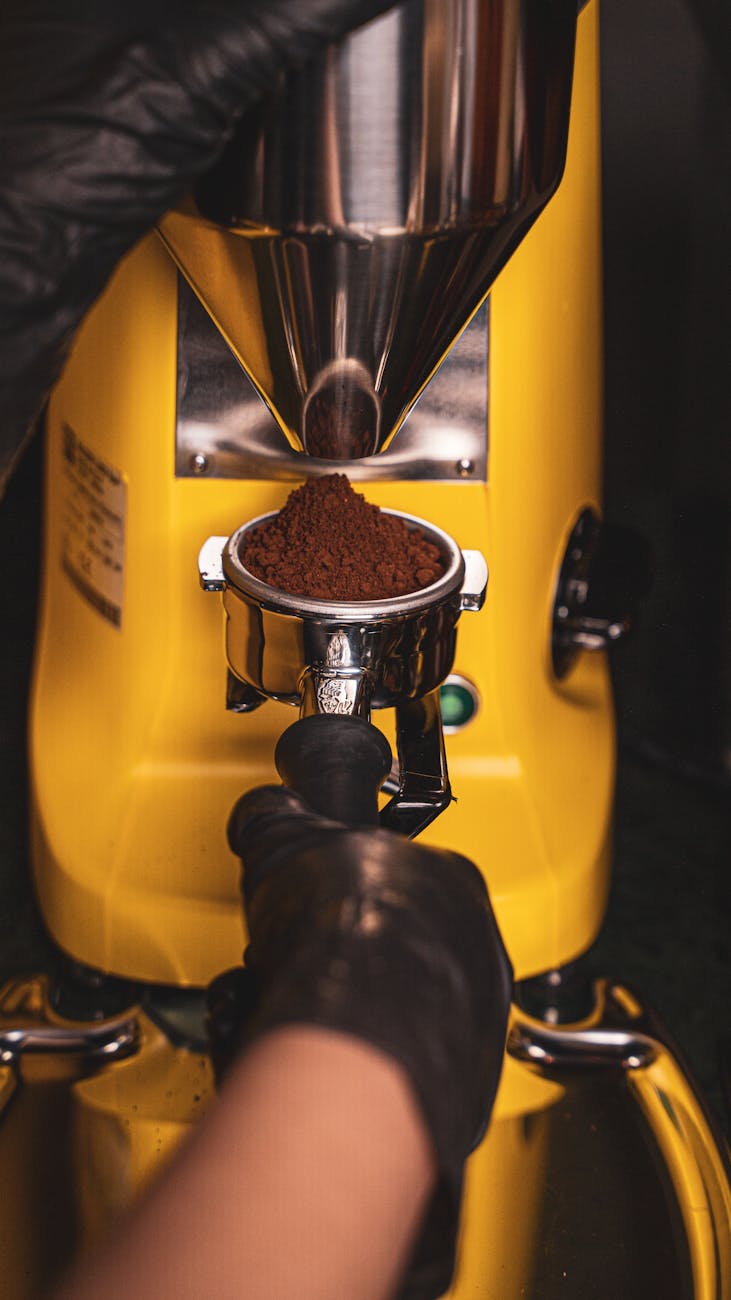
Mastering your grind: How to adjust for The Coffee Bean & Tea Leaf vs specialty light roasts
Every coffee lover’s journey eventually leads to a crucial realization: the grinder is just as important as the coffee maker. But even with a great grinder, are you using it correctly? The secret to unlocking the perfect cup isn’t a single magic setting; it’s about adapting your grind size to the specific beans you’re brewing. Many of us start with familiar, darker roasts like those from The Coffee Bean & Tea Leaf, only to be confused when the same technique yields a sour cup with a specialty light roast. This article will demystify the process, exploring why these two types of coffee require fundamentally different approaches to grinding, and how you can make the right adjustments to ensure delicious results every time.
Understanding the impact of roast on the bean
Before we can talk about grind size, we must first understand the coffee bean itself. A coffee bean is a dense, hard seed. The roasting process dramatically transforms it, not just in color and flavor, but in its physical structure. This transformation is the root cause for why different roasts need different grind settings.
A darker roast, typical of many offerings from a classic brand like The Coffee Bean & Tea Leaf, has spent more time in the roaster. This extended heat exposure causes the bean to expand, lose moisture, and become more brittle and porous. Its internal structure is more fractured, and oils are often pushed to the surface, creating a visible sheen. In essence, it becomes less dense and more fragile.
In contrast, a specialty light roast is roasted for a much shorter duration. The goal is to preserve the bean’s inherent origin characteristics—the bright, fruity, or floral notes. Because it spends less time in the heat, a light roast bean remains very dense, hard, and its cellular structure is far more intact. It is physically tougher to crack and grind.
The science of solubility and extraction
Now, let’s connect bean structure to brewing. When you brew coffee, you are performing an act of extraction. Hot water acts as a solvent, dissolving the coffee solids (oils, acids, sugars) from the ground particles and carrying them into your cup. The ease with which these solids dissolve is called solubility.
Because a darker roast bean is more porous and brittle, it is also more soluble. Its fractured structure offers water an easy pathway to get inside and quickly pull out flavor compounds. Think of it like trying to dissolve a sugar cube versus granulated sugar; the increased access points in the porous dark roast bean allow for rapid extraction.
On the other hand, the dense structure of a specialty light roast makes it less soluble. Water has to work much harder to penetrate the tough cell walls to access the flavor compounds locked inside. If you don’t give the water enough help, it will simply run past the coffee grounds, leading to a weak and under-extracted brew.
Practical grinding for different roasts
This is where grind size becomes your primary tool for controlling extraction. By changing the grind size, you alter the total surface area of the coffee grounds that are exposed to water. More surface area equals faster extraction, and less surface area equals slower extraction.
For a dark roast from The Coffee Bean & Tea Leaf, its high solubility means you risk pulling out too much, too fast. This leads to over-extraction, which tastes bitter, astringent, and hollow. To prevent this, you need to slow the extraction down. The solution? Use a coarser grind. A coarser grind reduces the surface area, forcing the water to take its time and preventing it from stripping the beans of every last compound, including the unpleasant bitter ones. You are essentially putting the brakes on a process that naturally wants to happen very quickly.
For a dense, less soluble specialty light roast, the challenge is the opposite. You need to encourage extraction to get all the complex, delicate flavors out. If your grind is too coarse, you’ll get an under-extracted cup that tastes sour and vegetal. The solution? Use a finer grind. A finer grind dramatically increases the surface area, giving the water more contact with the coffee and a better chance to dissolve those delicious, nuanced flavors. You are stepping on the accelerator to ensure you extract enough good stuff in your brew time.
Putting it all together: A side-by-side comparison
Understanding these concepts is key, but seeing them side-by-side can help solidify your knowledge. The ideal grind is not a fixed point but a target you adjust based on the bean’s properties. Here is a simple breakdown of the key differences and how they influence your grinding strategy.
| Characteristic | The Coffee Bean & Tea Leaf (Darker Roast) | Specialty Light Roast |
|---|---|---|
| Bean Density | Lower (more porous, brittle) | Higher (harder, more intact) |
| Solubility | High (extracts very easily) | Low (more resistant to extraction) |
| Recommended Grind Size | Generally coarser | Generally finer |
| Primary Risk | Over-extraction (bitterness) | Under-extraction (sourness) |
| Flavor Goal | Balance chocolatey, roasty notes; avoid bitterness. | Highlight bright, acidic, fruity/floral notes. |
Remember that these are general guidelines. Within these categories, you will still need to “dial in” your grind for each specific bag of beans and brew method, but this framework provides the correct starting point.
In conclusion, mastering your coffee grinder is about moving beyond a one-size-fits-all approach. The roast level of your beans is the single most important factor determining your starting grind size. Darker, more developed roasts, like those you might find at The Coffee Bean & Tea Leaf, are more soluble and brittle. They require a coarser grind to slow down extraction and prevent the dreaded bitterness that can ruin a cup. Conversely, dense and less soluble specialty light roasts demand a finer grind to increase surface area and ensure you can extract their full spectrum of bright, complex flavors. By understanding this fundamental relationship between roast level and grind size, you empower yourself to stop guessing and start brewing consistently delicious coffee, no matter what beans are in your bag.


 No products in the cart.