

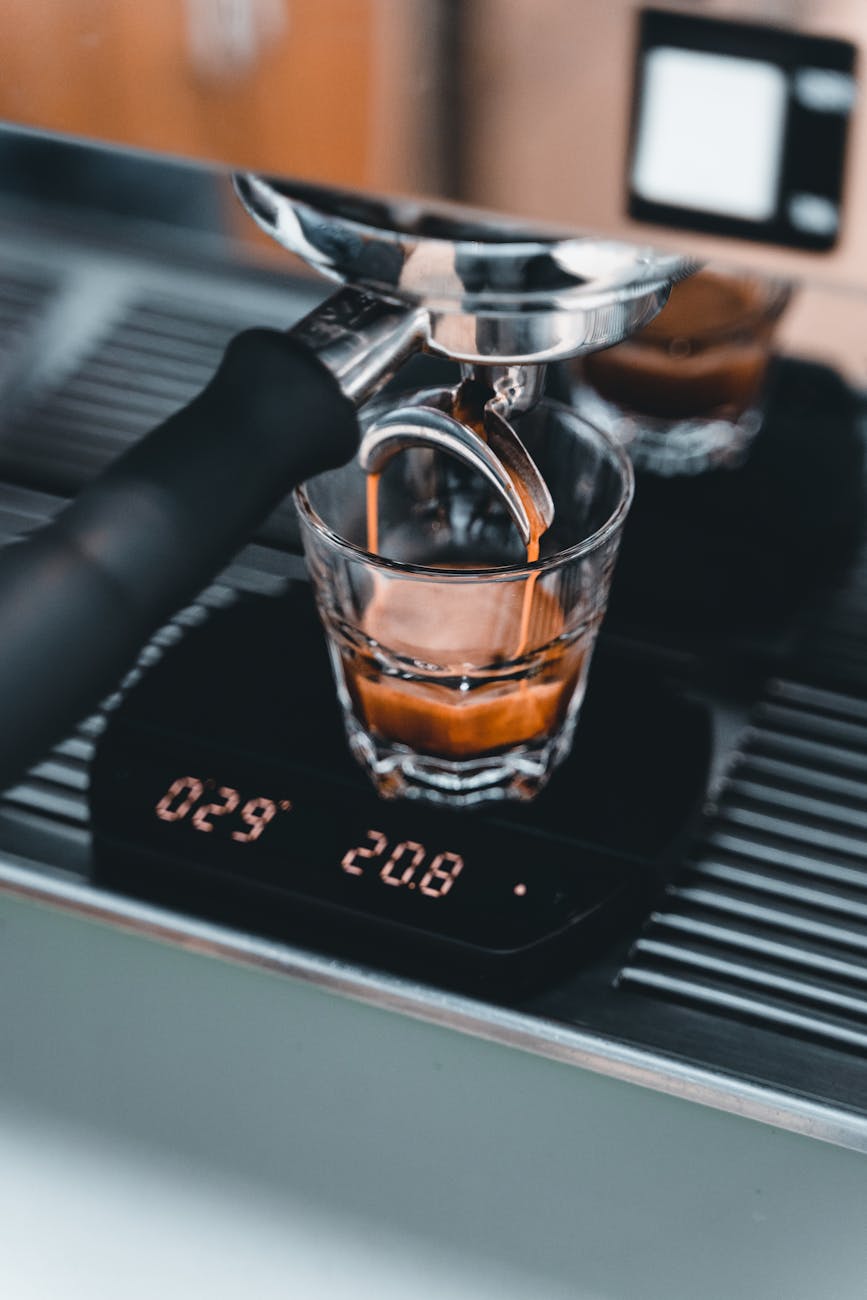
Achieving that signature rich and smooth espresso from The Coffee Bean & Tea Leaf is a craft that balances science and art. While factors like grind size and tamping are crucial, the most powerful variable you can control to perfect the flavor is the espresso yield. The yield, or the final weight of the liquid espresso in your cup, directly dictates the shot’s strength, texture, and taste profile. Many baristas, both at home and in cafes, overlook this critical step, leading to inconsistent and disappointing results. This guide will delve into how to understand, measure, and adjust your espresso yield specifically for the classic, balanced flavor profile that defines The Coffee Bean & Tea Leaf’s espresso, transforming your shots from mediocre to magnificent.
Understanding the fundamentals of espresso yield
Before you can adjust anything, it’s essential to grasp what espresso yield truly means. In simple terms, yield is the total mass (in grams) of the liquid espresso you extract from a given dose of ground coffee. We measure in grams, not ounces or milliliters, because the crema’s volume can be misleading. Using a scale is non-negotiable for precision.
This relationship between the dry coffee grounds (the dose) and the liquid espresso (the yield) is called the brew ratio. For example, if you use 18 grams of ground coffee and pull a shot that weighs 36 grams, you are using a 1:2 brew ratio. This ratio is the heart of dialing in an espresso. It determines how concentrated the shot is and which flavor compounds are extracted from the coffee puck. A shorter yield (like a 1:1.5 ratio) will be more concentrated and syrupy, while a longer yield (like a 1:2.5 ratio) will be more diluted and can highlight different flavor notes.
The Coffee Bean & Tea Leaf’s signature profile and starting ratios
The Coffee Bean & Tea Leaf’s espresso blends are typically roasted to create a classic, full-bodied, and balanced flavor. They generally aim to minimize sharp acidity and instead highlight notes of rich chocolate, toasted nuts, and deep caramel. This profile is not about bright, fruity flavors; it’s about comfort, richness, and a smooth finish that pairs perfectly with milk in drinks like lattes and cappuccinos.
To achieve this specific taste, a great starting point is a 1:2 brew ratio. This is the industry standard for a traditional espresso and works exceptionally well for medium-to-dark roasts like those used by CB&TL. Here’s why it’s the ideal baseline:
- Balance: It extracts enough sweetness to balance the deeper, bitter notes without over-extracting.
- Body: It provides a pleasant, round mouthfeel that isn’t watery or overly syrupy.
- Clarity: It allows the core flavors of chocolate and caramel to shine through clearly.
Start with this ratio. For an 18-gram dose, aim for a 36-gram yield. For a 20-gram dose, aim for a 40-gram yield. Once you have this baseline, you can taste the shot and begin making small, informed adjustments.
Adjusting yield to solve common taste problems
This is where your skills as a barista come into play. Tasting the espresso is the most important step. Based on what you taste, you can adjust the yield to steer the flavor in the right direction. Remember, you are keeping your dose (the amount of dry coffee) the same and only changing the final liquid weight.
If your shot tastes sour, sharp, or salty:
This is a classic sign of under-extraction. The water hasn’t had enough contact with the coffee to extract the sweeter, deeper compounds that balance the initial acids.
- The Solution: Increase the yield. Let the shot run longer to get more liquid in the cup. Instead of a 36-gram yield from an 18-gram dose, try for a 38-gram or even 40-gram yield (a 1:2.1 to 1:2.2 ratio). This extra water will pull out more sugars and mellow the sourness, leading to a more balanced and sweet shot.
If your shot tastes bitter, harsh, or hollow:
This is a sign of over-extraction. The water has pulled out all the good flavors and has started extracting unpleasant, bitter, and astringent compounds from the coffee grounds.
- The Solution: Decrease the yield. Stop the shot earlier to prevent those bitter flavors from entering your cup. From an 18-gram dose, aim for a 32-gram or 34-gram yield (a 1:1.8 to 1:1.9 ratio). This will result in a sweeter, more concentrated shot that highlights the rich chocolatey notes without the harsh finish.
A practical guide to dialing in your shot
To put it all together, you can use a structured approach to dial in the perfect shot for a Coffee Bean & Tea Leaf profile. Use a scale and a timer for every shot. Taste is always the final judge, but data helps you get there consistently. The table below provides a clear framework for adjusting your yield based on your taste goals. Start with the “Balanced” profile and adjust based on the results from the previous chapter.
| Profile Goal | Suggested Ratio | Example (18g Dose) | Target Extraction Time | Expected Flavor Notes |
|---|---|---|---|---|
| Ristretto (Concentrated & Sweet) | 1:1.5 – 1:1.8 | 27g – 32g Yield | 22-26 seconds | Syrupy body, intense dark chocolate, low bitterness, very sweet. |
| Balanced (CB&TL Standard) | 1:1.9 – 1:2.1 | 34g – 38g Yield | 27-32 seconds | Round body, balanced sweetness, notes of milk chocolate and caramel. The ideal starting point. |
| Lungo (Milder & More Developed) | 1:2.2 – 1:2.5 | 40g – 45g Yield | 33-37 seconds | Lighter body, less intense, highlights toasted nuts and subtle sweetness. Good for Americanos. |
Use this table as your guide. If your balanced 1:2 ratio shot tastes a little bitter, try aiming for the “Ristretto” parameters on your next attempt. If it’s a bit sour, push it towards the “Lungo” side. This methodical process removes the guesswork and allows you to replicate that perfect shot every time.
In conclusion, mastering the espresso yield is the key to consistently delivering the signature taste of The Coffee Bean & Tea Leaf. It’s a process that moves beyond generic recipes and empowers you to respond directly to the taste in the cup. By starting with a standard 1:2 brew ratio, you establish a solid foundation perfectly suited for their balanced, rich espresso profile. From there, the process is simple: taste your shot and adjust. A sour shot needs a higher yield to extract more sweetness, while a bitter shot requires a lower yield to cut out harshness. Using a scale and this methodical approach demystifies the art of the perfect pull, ensuring every espresso you craft is a delicious reflection of quality.


 No products in the cart.