

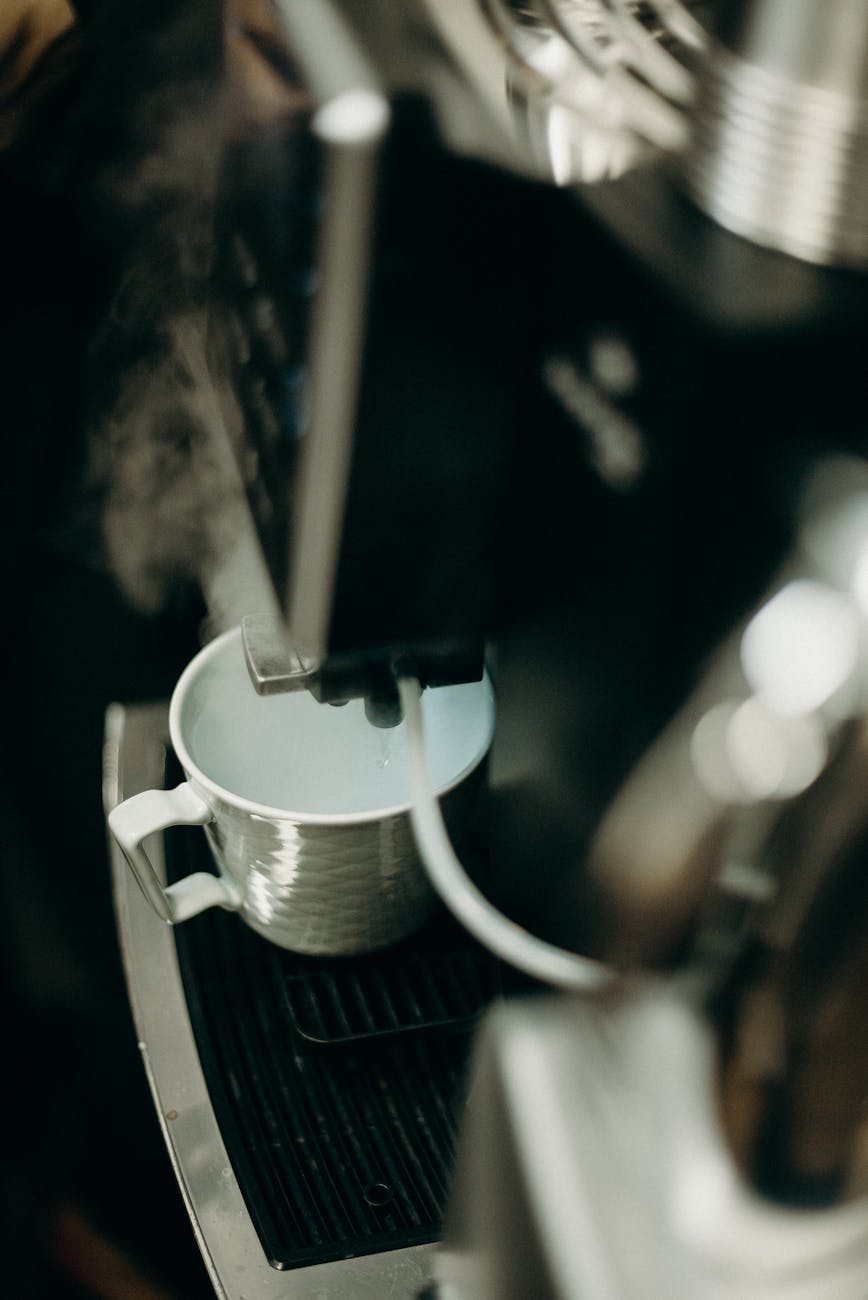
Manual vs automatic milk steaming: The secret to perfect cappuccino foam
The quest for the perfect cappuccino often ends with the milk. That glorious crown of creamy, velvety microfoam is what separates a mediocre coffee from a truly memorable one. But achieving that perfect texture consistently can be a challenge. The final result hinges on one crucial step: the steaming process. For aspiring home baristas and cafe owners alike, a key decision looms—should you master the traditional art of manual steaming, or embrace the convenience of an automatic system? This article will delve into the world of milk steaming, comparing the manual and automatic methods. We will explore the learning curve, the level of control, and the quality of foam each can produce, helping you decide which path leads to your ideal cappuccino.
Understanding the fundamentals of milk steaming
Before comparing wands, it’s essential to understand what’s happening inside that milk pitcher. The goal of steaming isn’t just to heat the milk; it’s to create microfoam. This is a stable, silky-smooth foam made of microscopic bubbles that are fully integrated with the liquid milk, giving it a glossy, wet-paint-like texture. The process can be broken down into two distinct phases:
- Stretching (Aeration): This is the initial phase where air is introduced into the milk. By placing the tip of the steam wand just below the surface, you’ll hear a gentle hissing or “tearing paper” sound. This action injects air, increasing the milk’s volume and creating the foam. The duration of this phase determines how foamy the final result will be.
- Texturing (Incorporation): Once you’ve introduced enough air, the wand is submerged deeper into the milk. The goal now is to create a vortex or whirlpool. This powerful spinning motion breaks down larger bubbles into smaller ones and folds the foam into the milk, creating that homogenous, velvety microfoam.
Temperature is the final critical element. The sweet spot for steamed milk is between 60-65°C (140-150°F). Beyond this point, the proteins in the milk begin to break down, losing their ability to hold texture and creating a flat, scalded taste. Both manual and automatic systems aim to master these phases, but they go about it in fundamentally different ways.
The art of manual steaming: Control and creativity
A manual steam wand is the traditional tool of the trade, offering the barista complete control over the steaming process. It is essentially a simple metal pipe that delivers high-pressure steam, and the user is responsible for every variable, from the angle of the pitcher to the depth of the wand. Mastering this method is a rite of passage for any serious coffee enthusiast.
The primary advantage of manual steaming is its unparalleled flexibility. An experienced barista can adjust their technique on the fly to produce a wide range of textures. Want a dry, stiff foam for a classic Italian cappuccino? Stretch the milk for longer. Need a silky, liquid foam for intricate latte art on a flat white? Introduce less air and focus on creating a perfect vortex. This level of control is what allows for true artistry in coffee making.
However, this control comes at a price: a steep learning curve. Consistency is notoriously difficult to achieve for beginners. It requires practice, a sensitive hand, and an attuned ear to recognize the subtle audio cues of proper aeration. In a busy environment, it also demands the user’s full attention, making it harder to multitask. For those willing to invest the time, though, the reward is the ability to produce a quality of microfoam that is often superior to what an automatic system can achieve.
The science of automatic steaming: Consistency and convenience
Automatic steaming systems are designed to remove the guesswork and variability from the process. These systems range from auto-frothing wands (often called panarello wands), which have a sheath that injects air automatically, to fully integrated systems on super-automatic machines that handle everything at the push of a button. These machines typically use temperature sensors and pre-programmed cycles to manage the aeration and heating phases.
The undeniable benefit of automatic steaming is consistency. Whether it’s the first coffee of the day or the hundredth, the machine will produce nearly identical results every single time. This makes it an ideal solution for high-volume cafes where speed and reliability are paramount, or for the home user who simply wants a great cappuccino without a lengthy learning process. It allows anyone to create a decent milk-based coffee with minimal training and effort.
The trade-off for this convenience is a lack of control. The user is locked into the machine’s predefined settings. The foam produced by many automatic systems, particularly simpler panarello wands, tends to be thicker and more bubbly (“macrofoam”) rather than true microfoam. While perfectly enjoyable for a cappuccino, this texture is generally unsuitable for detailed latte art. Furthermore, cleaning can sometimes be more complex, as there may be internal components that require regular maintenance.
Making the right choice for you
Ultimately, the choice between manual and automatic steaming depends entirely on your priorities. Are you a hobbyist who relishes the craft and wants to pour beautiful latte art, or are you a busy professional who needs a reliable and quick result every morning? There is no single “better” option, only the right option for your specific needs. To help you decide, here is a direct comparison of the two methods:
| Feature | Manual Steaming | Automatic Steaming |
|---|---|---|
| Learning curve | Steep and requires significant practice | Low to non-existent |
| Consistency | Variable, depends heavily on user skill | Extremely high and repeatable |
| Control & customization | Total control over texture and temperature | Limited or no control; pre-set programs |
| Latte art quality | Excellent, capable of producing perfect microfoam | Poor to fair, often creates foam too stiff for art |
| Best for | Coffee enthusiasts, aspiring baristas, specialty cafes | Beginners, busy households, high-volume commercial settings |
If your goal is to master the craft of coffee, develop a new skill, and have the ability to create café-quality latte art at home, then a machine with a manual steam wand is the only way to go. If, however, you value speed, ease of use, and the guarantee of a good result without any fuss, an automatic system will be a much better fit for your lifestyle.
Conclusion
In the debate between manual and automatic milk steaming, there is no clear winner. The decision boils down to a fundamental trade-off between control and convenience. Manual steaming represents the artisan’s path; it demands patience, practice, and a deep understanding of the process, but rewards the user with ultimate control and the potential for a sublime, perfectly textured microfoam suitable for any coffee creation. On the other hand, automatic steaming is the engineer’s solution, offering unparalleled consistency and simplicity at the push of a button. It removes the risk of human error, guaranteeing a good result every time, though at the expense of creative flexibility. Whether you choose to become a master of the steam wand or rely on the precision of a machine, understanding what each method offers is the first step toward consistently achieving your perfect cappuccino.

 No products in the cart.