

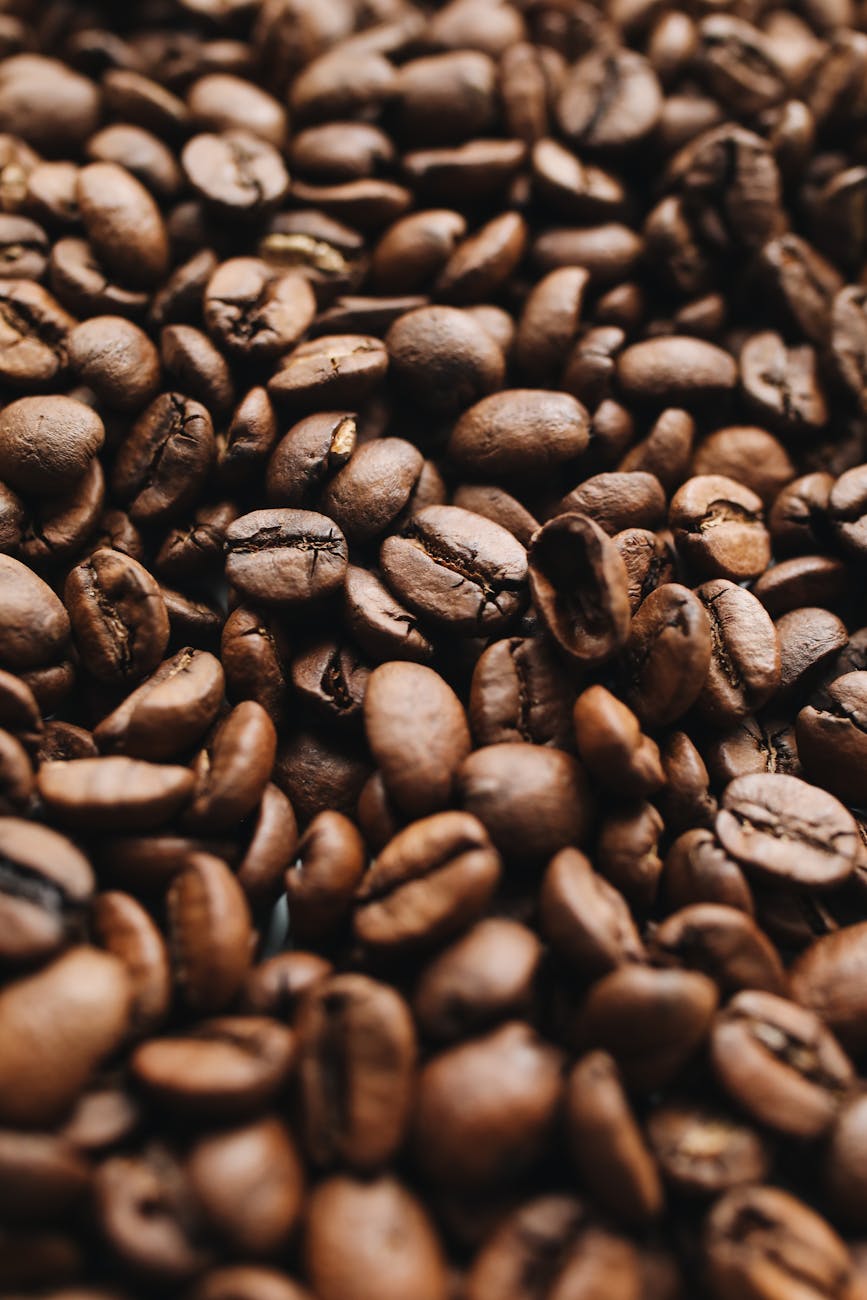
Unlock sweet flavors: How to dial in blonde roast espresso for the perfect latte
The quest for the perfect home latte often leads us down a rabbit hole of beans, machines, and techniques. While dark and medium roasts offer a familiar, comforting chocolatey profile, the blonde roast presents a unique challenge and an even greater reward. These lightly roasted beans promise a vibrant, sweet, and complex flavor profile, but they are notoriously tricky to work with. An improperly pulled shot can taste disappointingly sour and thin. This article is your guide to taming the blonde roast. We will walk you through the entire process, from understanding the bean’s unique characteristics to mastering the variables of extraction, so you can consistently pull a sweet, syrupy espresso shot that forms the perfect foundation for a sublime home latte.
Understanding the blonde roast challenge
Before you can master the extraction, it’s crucial to understand why blonde roasts behave so differently from their darker counterparts. A blonde roast, also known as a light or cinnamon roast, is roasted for a shorter time and at lower temperatures. This minimal roasting preserves more of the coffee bean’s original characteristics. The result is a coffee that is higher in acidity, lower in bitterness, and bursting with delicate floral, fruity, or citrus notes.
However, these same characteristics make them a challenge to brew as espresso. The bean structure is much denser and less porous than a darker roast. This density means water has a harder time penetrating the coffee grounds to extract the soluble compounds, especially the sugars that create sweetness. If you use the same recipe you would for a medium roast, you will likely end up with an under-extracted shot that tastes aggressively sour. The goal, therefore, is to adjust your technique to increase extraction, breaking down those bright acids and unlocking the inherent sweetness locked inside the dense bean.
Essential gear for blonde roast success
While passion and practice are key, having the right tools makes the journey from sour to sweet significantly easier. With a finicky bean like a blonde roast, precision and consistency are everything. Your equipment plays a starring role in achieving that control.
- A high-quality burr grinder: This is non-negotiable. Blade grinders create an inconsistent mix of boulders and dust, which leads to uneven extraction. A good burr grinder provides the uniform, fine grounds necessary to slow down the water flow and give it time to properly extract flavor from the dense beans. It also allows for micro-adjustments, which are critical when dialing in.
- An espresso machine with temperature control: Blonde roasts extract more efficiently at higher temperatures. A machine with a Proportional-Integral-Derivative (PID) controller, which allows you to set and maintain a specific brew temperature, is a game-changer. It gives you another powerful variable to manipulate in your quest for sweetness.
- Precision accessories: A gram scale is essential for measuring your dose (ground coffee) and yield (liquid espresso) to the tenth of a gram. This allows you to precisely control and repeat your brew ratio. A Weiss Distribution Technique (WDT) tool helps break up clumps in your grounds, ensuring an even coffee bed and preventing channeling, which is a major cause of sour and bitter shots.
The dialing-in process: a step-by-step recipe
This is where theory meets practice. Dialing in is a systematic process of adjusting variables to achieve the desired taste. For a sweet blonde roast, we need to push extraction further than we normally would, so our starting recipe will reflect that.
1. Choose a starting recipe: Forget the traditional 1:2 ratio (e.g., 18g in, 36g out). Start with a longer ratio to give the water more contact time. A great starting point is 1:2.5. For an 18-gram dose, you’ll be aiming for a 45-gram yield.
2. Set your temperature: If your machine allows, set the brew temperature higher than you would for a medium roast. Aim for a range of 94-96°C (201-205°F). This extra heat will help dissolve the sugars in the dense coffee grounds more effectively.
3. Dial in the grind: This is your primary adjustment. Start with a much finer grind setting than usual. Your goal for total shot time, including a 5-8 second pre-infusion if available, should be in the 30-35 second range.
- If your shot runs too fast (e.g., under 25 seconds) and tastes sour, grind finer.
- If your shot chokes the machine and runs too long (e.g., over 40 seconds) and tastes bitter or astringent, grind coarser.
4. Taste and adjust: This is the most important step. Pull a shot using your starting parameters, taste it, and decide on your next move. Use the table below as your troubleshooting guide.
| Taste Profile | Likely Cause | Primary Solution | Secondary Solution |
|---|---|---|---|
| Sour, thin, acidic | Under-extraction | Grind finer to slow the shot down. | Increase the yield (e.g., to a 1:3 ratio). |
| Bitter, harsh, dry | Over-extraction or channeling | Grind slightly coarser. | Improve puck prep (use WDT, ensure even tamp). |
| Both sour and bitter | Channeling | Focus on puck prep. Distribute grounds evenly. | Lower dose slightly to reduce pressure. |
| Sweet, balanced, syrupy | Dialed in! | Lock in your recipe and enjoy. | Take notes for next time. |
Remember to only change one variable at a time. This methodical approach will help you understand how each change affects the final taste.
From perfect shot to sublime latte
You’ve pulled a beautiful, sweet, and balanced shot of blonde espresso. The final step is incorporating it into a latte without losing its delicate character. The milk you use and how you prepare it is just as important as the espresso itself. The natural lactose in milk provides sweetness, and when steamed correctly, it develops a creamy microfoam that complements the espresso’s vibrant acidity.
Be careful not to overheat the milk. Steaming past 65°C (150°F) will scorch the sugars and introduce a bitter, cooked flavor that will clash with your carefully extracted espresso. For a blonde roast, consider using a slightly smaller milk-to-espresso ratio than you might be used to. A classic 8oz latte might dilute the nuanced flavors too much. Try a 6oz cup, similar to a flat white, to allow the espresso’s unique notes of citrus, stone fruit, and florals to shine through the rich, sweet milk. The result should be a harmonious, layered drink that is sweet, bright, and incredibly satisfying.
Conclusion
Taming a blonde roast espresso is a journey that rewards patience and precision. It forces you to move beyond standard recipes and truly engage with the craft of coffee making. To recap, success hinges on understanding that these dense beans require more aggressive extraction. This is achieved by using a finer grind, a higher brew temperature, and a longer brew ratio, such as 1:2.5 or 1:3. Meticulous preparation of your coffee puck is essential to prevent channeling and ensure an even extraction. By methodically adjusting one variable at a time and tasting critically, you can transform a potentially sour shot into a syrupy, sweet elixir. This perfectly pulled shot, when combined with carefully steamed milk, creates a latte that is worlds away from the average coffee shop fare—a truly special drink crafted by you.

 No products in the cart.