

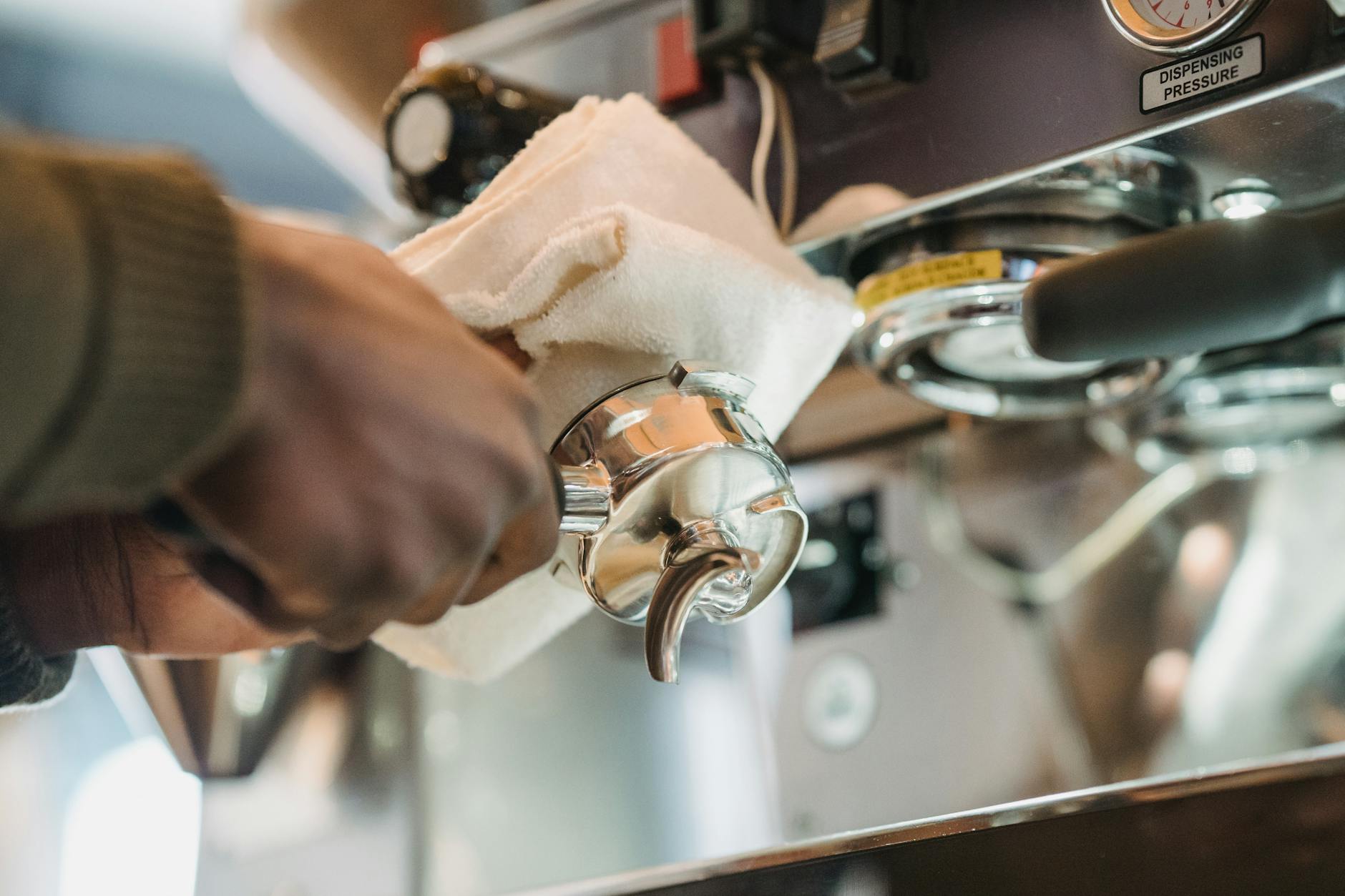
Adjusting pump pressure for a smoother dark roast espresso extraction
The quest for the perfect espresso is a journey of endless tweaking and discovery. For lovers of dark roasts, this journey can be particularly challenging. You seek that rich, syrupy body and deep chocolatey flavor, but often end up with a cup dominated by harsh bitterness and an ashy aftertaste. While grind size, temperature, and puck prep are crucial variables, there is one often-overlooked factor that can transform your dark roast experience: pump pressure. The industry-standard 9 bars of pressure, while excellent for many coffees, can be far too aggressive for the delicate structure of a dark roast. This article will explore why lower pressure is the key to unlocking a smoother, more balanced, and sweeter dark roast espresso extraction.
Understanding the role of pressure in extraction
In the world of espresso, “9 bars” is a number spoken with reverence. It’s the historical standard, equivalent to nine times the atmospheric pressure at sea level, and it became the benchmark for commercial espresso machines. This pressure is responsible for forcing hot water through a finely-ground, tightly-compacted puck of coffee. It’s the force that creates the intense, concentrated beverage we know as espresso, complete with its signature crema.
But what is pressure really doing? It’s controlling the speed and evenness of water flow. When everything is perfectly dialed in, 9 bars of pressure ensures water passes through the coffee puck evenly, extracting a balanced range of soluble compounds—acids, sugars, and oils. However, if that pressure is too high for the coffee being used, it can cause problems. It can blast through the puck, creating tiny cracks or channels. Water will always follow the path of least resistance, meaning it will rush through these channels, over-extracting the coffee it touches and leaving other parts of the puck under-extracted. This is a primary cause of an espresso that tastes both bitter and sour.
Why dark roasts need a gentler touch
Not all coffee beans are created equal, especially after they’ve been through the roaster. The roasting process fundamentally changes the bean’s physical structure. Dark roasts, by definition, have spent more time at higher temperatures. This process makes them:
- More porous and brittle: The intense heat causes the bean’s cellulose structure to expand and become more fragile. It’s much easier to break down, both in the grinder and during extraction.
- More soluble: The compounds within the bean have been roasted to a point where they dissolve into water much more readily. The desirable sweet, chocolatey flavors are easier to access, but so are the bitter, carbonized ones that lie beyond them.
When you apply the brute force of 9 bars of pressure to this fragile, highly soluble coffee puck, you create a recipe for rapid over-extraction. The high pressure can easily shatter the delicate structure of the ground coffee, leading to severe channeling. Because the coffee is so soluble, the water rushing through these channels will strip out everything in its path, including an excess of bitter compounds, resulting in that classic, harsh “dark roast” flavor that many coffee drinkers dislike. Lighter roasts, in contrast, are much denser and less soluble, often requiring the full 9 bars to properly extract their complex flavors.
How to lower your pressure for a better shot
The great news is that you don’t need a top-of-the-line machine to experiment with lower pressure. Many prosumer machines offer ways to adjust this. The goal is to aim for a peak pressure between 6 and 7.5 bars. This gentler approach allows the water to saturate the puck more evenly and extract the sweet, desirable compounds without aggressively pulling out the bitter ones.
Here are a few common methods:
- Adjusting the over-pressure valve (OPV): This is the most common method on many home machines. The OPV is a valve that diverts excess pressure away from the group head. Often, it’s a simple screw or nut that can be turned to lower the maximum pressure. You’ll typically need a portafilter with a pressure gauge to accurately measure your adjustments while using a blind basket.
- Flow control devices: A popular modification for E61 group head machines, a flow control paddle gives you direct, real-time control over the flow rate of water hitting the puck. By restricting the flow, you indirectly control the pressure build-up, allowing you to perform a long, low-pressure pre-infusion and then ramp up to a lower peak pressure of 6 or 7 bars.
- Lever machines: Manual and spring lever machines are naturally suited for this. They typically produce a declining pressure profile, starting around 8-9 bars and naturally tapering off to 5-6 bars as the spring expands or manual pressure is eased. This is often an ideal profile for taming a dark roast.
Experimentation is key, but this table provides a solid starting point for understanding the difference in approach.
| Extraction parameter | Standard approach (9 bars) | Adjusted dark roast approach |
|---|---|---|
| Peak pressure | 8.5 – 9.5 bars | 6.0 – 7.5 bars |
| Shot time | 25 – 30 seconds | 30 – 40 seconds (often longer) |
| Risk factor | High risk of channeling and bitterness | Promotes even saturation, reduces bitterness |
| Taste profile focus | Clarity and brightness (better for light roasts) | Body, sweetness, and smoothness |
Tasting the rewards: Balanced, sweet, and syrupy
What can you expect in the cup after lowering the pressure? The difference is not subtle. An extraction at 6.5 bars will look, feel, and taste entirely different from one at 9 bars using the same dark roast beans. Visually, the shot will likely start slower and appear more viscous, flowing from the portafilter spouts like warm honey rather than gushing out. The crema may be slightly thinner but will often be a richer, reddish-brown color and more persistent.
The most significant change is in the flavor and texture. The aggressive, sharp bitterness is replaced by a deep, rounded sweetness. The dominant flavors shift from ash and carbon to rich dark chocolate, roasted nuts, and molasses. The mouthfeel becomes heavier, smoother, and more syrupy. By slowing down the extraction with lower pressure, you are giving the water time to gently pull out the rich sugars and oils while leaving the harshest bitter compounds behind in the puck. This method transforms a potentially unpleasant coffee into a genuinely decadent and comforting espresso experience.
To truly appreciate a dark roast, we must move beyond the one-size-fits-all approach of 9-bar pressure. The delicate and soluble nature of these beans demands a gentler technique. By reducing your machine’s pump pressure to a range of 6 to 7.5 bars, you fundamentally alter the extraction dynamics. This simple adjustment prevents channeling and mitigates the risk of rapid over-extraction, which is the primary culprit behind the harsh bitterness so often associated with dark roasts. The result is a transformative shift in the final cup—away from astringency and ash, and toward a rich, syrupy body, profound sweetness, and comforting notes of chocolate and caramel. Don’t be afraid to break the 9-bar rule; your espresso machine and your taste buds will thank you.

 No products in the cart.