

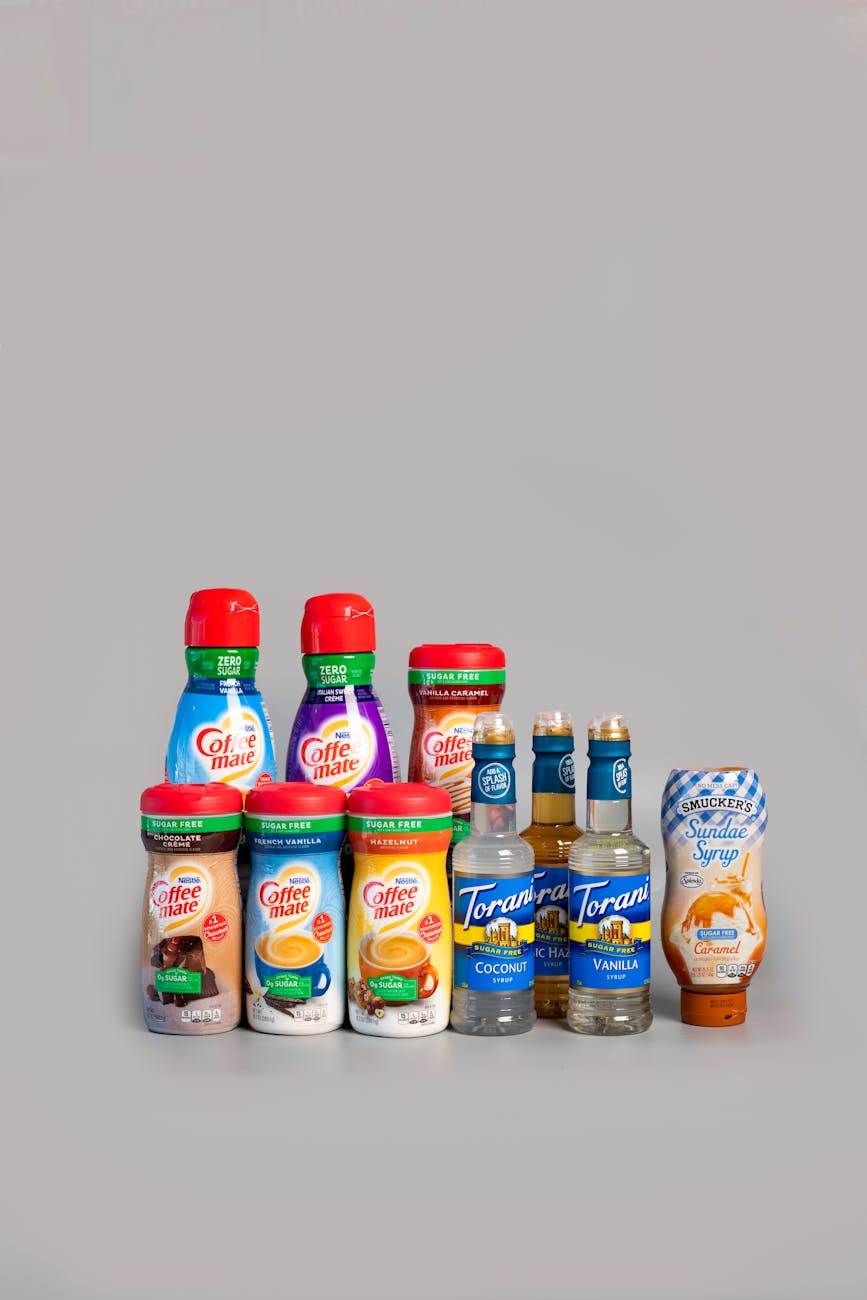
Welcome to the world of home espresso, where you are the barista in chief. Moving beyond a simple shot or a classic americano, many coffee lovers dream of recreating their favorite café-style flavored lattes. This is where coffee syrups enter the picture. However, simply pouring a random amount of syrup into your cup can lead to overly sweet, unbalanced, or even curdled drinks. Mastering the art of using syrups is a key step in elevating your home coffee craft. This guide will walk you through the best practices for incorporating syrups into your espresso workflow, from choosing the right product to understanding the science of temperature and texture, ensuring every flavored coffee you make is a masterpiece.
Choosing the foundation: The right syrup for the job
Not all syrups are created equal, and the one you choose will have the single biggest impact on your final drink. Before you even think about your espresso machine, your focus should be on the quality and flavor profile of your syrup. Many generic syrups are made with high-fructose corn syrup and artificial flavors, which can produce a cloying sweetness that completely masks the delicate notes of your coffee beans. Instead, look for syrups made with pure cane sugar and natural flavorings. These tend to offer a cleaner, more authentic taste that complements rather than overpowers your espresso.
Consider the flavor profile of your coffee. A dark roast with nutty and chocolatey notes pairs beautifully with classic syrups like caramel, hazelnut, or vanilla. A brighter, more acidic single-origin bean, on the other hand, might be enhanced by a floral or fruit-forward syrup like lavender or raspberry. Don’t be afraid to experiment, but always start with the goal of complementing your coffee, not covering it up. For those watching their sugar intake, sugar-free options exist, but be aware that they use alternative sweeteners which can sometimes leave a distinct aftertaste.
The art of dosing and timing: When and how much
Once you have a quality syrup, the next step is integrating it into your workflow. The two most critical questions are when to add the syrup and how much to use. The consensus among professional baristas is clear: add the syrup to your empty cup before you pull your shot. When the hot espresso pours directly onto the syrup, it dissolves instantly and incorporates fully, creating a homogenous base for your drink. This prevents the thick syrup from sinking to the bottom and ensures every sip is perfectly flavored. Adding it after the milk is a common mistake that requires aggressive stirring, which destroys your beautifully steamed milk texture.
When it comes to quantity, the golden rule is less is more. It’s always easier to add a little more sweetness than it is to take it away. Start by thinking of the syrup as a subtle background note, not the main event. A good starting point is crucial for finding the balance that suits your palate. Below is a general guideline for a standard-strength syrup.
| Drink size | Suggested syrup amount (pumps) | Suggested syrup amount (oz / ml) |
|---|---|---|
| 8 oz (Small) | 1 pump | 0.25 oz / 7.5 ml |
| 12 oz (Medium) | 2 pumps | 0.5 oz / 15 ml |
| 16 oz (Large) | 3 pumps | 0.75 oz / 22 ml |
Remember, this is just a starting point. Some syrups are sweeter than others, and personal preference is paramount. Use these measurements as a guide and adjust until you find your perfect ratio.
Understanding syrup’s effect on milk and temperature
A great latte isn’t just about flavor; it’s also about texture and temperature. Adding syrup to your workflow can affect both, so it’s important to understand the interactions. The primary reason for adding syrup before the espresso shot is to avoid shocking your steamed milk. Pouring perfectly textured microfoam into a cup, only to then add a stream of cool, thick syrup, can cause the foam to deflate and separate. By having the syrup already mixed with the espresso, you create a smooth, even base for your milk, making it easier to pour latte art and maintain a velvety texture.
The most dramatic and unfortunate interaction is curdling. This happens when an acidic syrup, typically a fruit flavor like raspberry or citrus, reacts with the proteins in hot milk. The result is a gritty, unpleasant texture. To avoid this:
- Check the ingredients: Some brands formulate their fruit syrups to be less acidic specifically for use in milk-based drinks.
- Moderate the temperature: Allow your espresso and syrup mixture to cool for a moment before adding the steamed milk. A slight drop in temperature can be enough to prevent the chemical reaction.
- Combine cold: For iced drinks, this issue is nonexistent. For hot drinks, some baristas add acidic syrup to the cold milk before steaming, though this requires meticulous cleaning of your steam wand immediately after use.
Beyond the latte: Creative uses and cleanup
While flavored lattes are the most common application, syrups are incredibly versatile in a home espresso setup. Their liquid form makes them far superior to granulated sugar for cold drinks, as they dissolve instantly. Try adding a pump of vanilla or caramel syrup to your cold brew or iced latte for perfectly integrated sweetness. Syrups also shine in other espresso-based creations. A small amount of hazelnut syrup in an espresso shakerato (espresso shaken with ice) creates a chilled, frothy, and flavorful shot. For an indulgent treat, try a classic espresso con panna with a delicate drizzle of caramel syrup over the whipped cream.
Finally, a crucial best practice is cleanliness. Sugar is sticky. After every session, make sure to thoroughly wash any cups, spoons, or shot glasses that came into contact with the syrup. A sticky residue can build up over time, attract pests, and affect the taste of future drinks. Keeping your station clean is just as important as perfecting your ratios.
In the end, successfully incorporating syrups into your home espresso workflow is about thoughtfulness and balance. It begins with selecting a high-quality syrup that complements, rather than conceals, the flavor of your coffee beans. From there, it’s a matter of technique: adding the syrup to the cup first for seamless integration and starting with a conservative dose that you can adjust to your taste. Understanding the potential for issues like curdling with acidic flavors allows you to troubleshoot and create flawless drinks every time. By embracing these best practices, you move beyond simply making coffee and begin the rewarding journey of crafting bespoke, café-quality beverages right in your own kitchen.


 No products in the cart.