

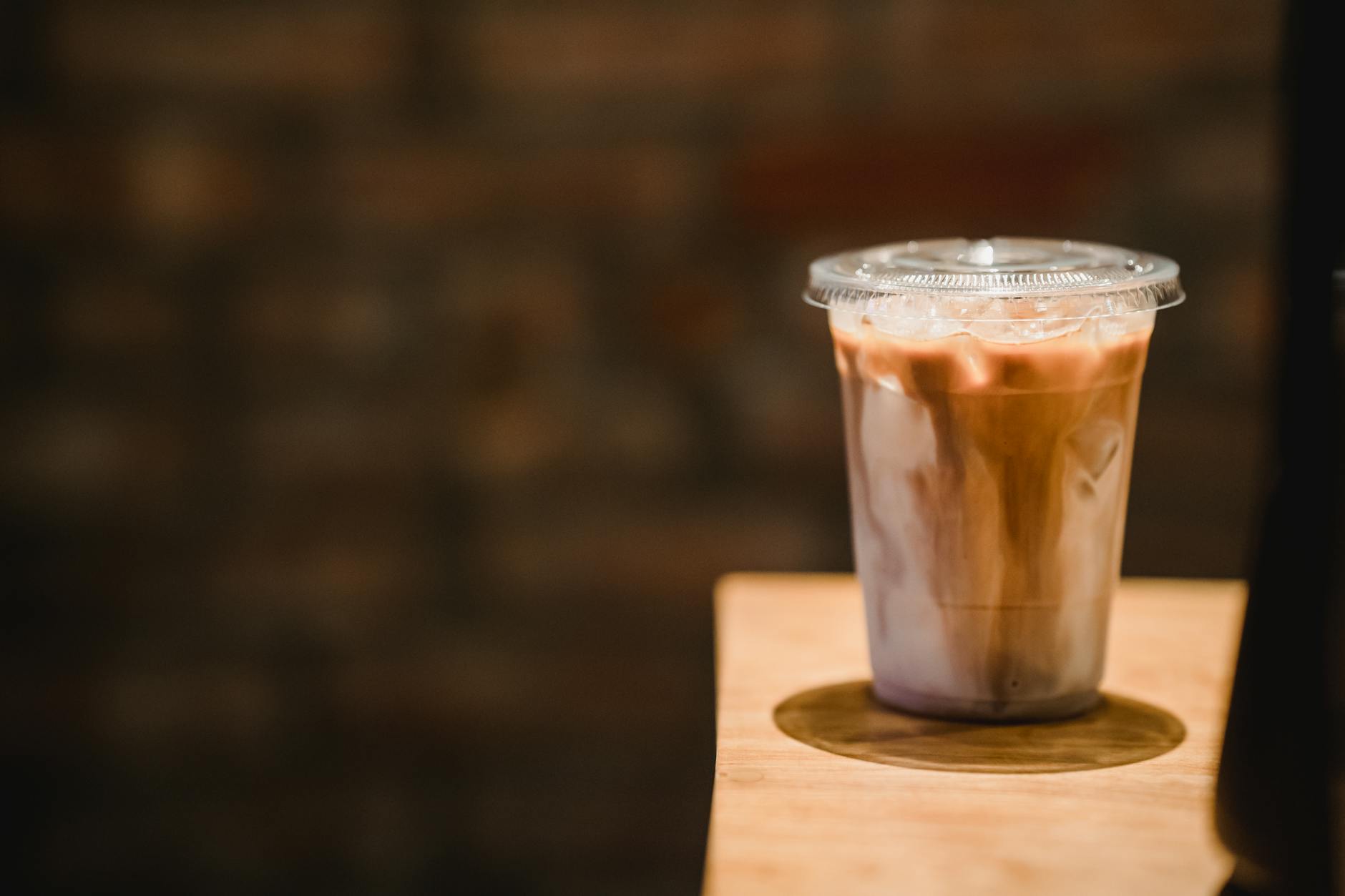
Dialing in espresso for cold milk recipes: Does the extraction need to change?
The satisfying chill of a perfectly crafted iced latte on a warm day is a simple pleasure. Yet, for many home baristas, recreating that cafe-quality experience is a challenge. The rich, complex espresso shot that tastes divine on its own or in a hot cappuccino can suddenly become weak, watery, or harshly bitter when combined with cold milk and ice. This common problem leads to a crucial question: is the standard espresso recipe we tirelessly dial in suitable for cold applications? The short answer is often no. The dramatic temperature shift fundamentally alters our perception of taste, meaning the shot that shines when hot may falter when cold. This article explores why your extraction strategy needs a dedicated adjustment for cold milk drinks.
The science of taste and temperature
Before we touch the grinder, it’s essential to understand why an espresso shot behaves so differently when chilled. Our taste buds are less sensitive to certain flavors at cold temperatures. Specifically, our ability to perceive sweetness and nuanced acidity is significantly dampened. Think about how a soft drink tastes much sweeter and almost syrupy once it reaches room temperature. The sugar content hasn’t changed, but our perception of it has.
In espresso, this has two major consequences:
- Muted Complexity: The delicate floral notes or bright, fruity acidity of a beautiful single-origin espresso get lost in the cold. The very characteristics that make a shot special are the first to disappear.
- Amplified Bitterness: While sweetness is suppressed, our perception of bitterness can become more pronounced. An espresso with a balanced bitter finish in a hot latte can taste unpleasantly sharp and astringent in an iced version.
Furthermore, cold temperatures reduce the volatility of aromatic compounds. A huge part of our tasting experience comes from smell, and a chilled drink simply doesn’t release the same rich coffee aroma as a hot one. Because of these sensory changes, an espresso pulled for a hot drink often lacks the backbone to stand up to the cold, diluted environment of an iced recipe.
The case for a shorter, stronger shot
If cold mutes flavor, the logical solution is to create a more concentrated and powerful espresso base. The goal is to pull a shot with enough intensity and body to cut through the cold milk and dilution from ice. This is where the concept of a ristretto, or a “restricted” shot, comes into play. Instead of the typical 1:2 or 1:2.5 brew ratio (e.g., 18 grams of coffee in, 36-45 grams of liquid espresso out), we aim for a shorter ratio, such as 1:1.5 or 1:1.8.
This approach directly combats the problems caused by cold temperatures. By stopping the extraction earlier, we capture the initial part of the shot, which is rich in sugars, oils, and body-building solids. We also avoid the later stages of extraction, where more bitter and astringent compounds are dissolved. This results in a shot that is:
- More syrupy and textured: It has a heavier body that provides a richer mouthfeel in the final drink.
- Intensely sweet: It packs a concentrated punch of sweetness that can survive the muting effect of the cold.
- Less bitter: It minimizes the harsh bitterness that can become overpowering in an iced beverage.
This isn’t about pulling a “bad” or underdeveloped shot. It’s about pulling a shot specifically engineered to excel in a cold environment.
How to dial in for cold drinks: A practical guide
Adjusting your recipe for cold milk drinks is a methodical process. Instead of changing everything at once, start with your standard, dialed-in recipe and tweak one variable at a time. The primary goal is to shorten your brew ratio while maintaining a reasonable extraction time (typically 25-32 seconds).
Step 1: Grind finer. This is the most crucial adjustment. Grinding finer increases the resistance the water faces as it passes through the coffee puck. This slows down the flow rate, allowing you to extract a concentrated, syrupy liquid without it gushing out in 15 seconds.
Step 2: Target a lower yield. With your finer grind setting, keep your dose the same but stop the shot much earlier. If you normally pull 36 grams of espresso from an 18-gram dose, aim for around 27-30 grams. Use a scale to be precise.
Step 3: Taste in the final drink. This is key. The shorter shot might taste overly intense or unbalanced on its own, but that’s not the point. The real test is how it tastes once mixed with cold milk and ice. Does the coffee flavor come through clearly? Is the sweetness present? Is the bitterness in check? Adjust your grind and yield until you achieve a balanced and flavorful final beverage.
| Parameter | Standard Espresso (for hot drinks) | Cold Milk Espresso (for iced drinks) | Why the change? |
|---|---|---|---|
| Dose | 18g | 18g (or slightly higher, e.g., 19g) | A consistent or slightly higher dose provides more coffee solids for a stronger base. |
| Grind | Medium-Fine | Finer | Slows the extraction, increasing concentration and body before bitterness sets in. |
| Yield | 36g – 45g (1:2 – 1:2.5 ratio) | 27g – 32g (1:1.5 – 1:1.8 ratio) | Creates a more concentrated shot to cut through cold milk and ice. |
| Time | 25 – 32 seconds | 25 – 32 seconds | Time is an outcome, but aiming for a similar window with a finer grind and lower yield ensures proper extraction. |
| Flavor Profile | Balanced, nuanced, bright acidity | Syrupy, intense sweetness, heavy body | Designed to overcome the muting effect of cold temperatures. |
Choosing the right coffee for the job
Your extraction technique is only half the battle; the coffee beans you choose play an equally important role. While a light-roasted Ethiopian coffee with delicate jasmine and citrus notes might be stunning as a hot pour-over, those flavors will likely vanish in an iced latte. For cold milk drinks, coffees with a more robust and dominant flavor profile tend to perform best.
Look for medium to medium-dark roasts. These roasts develop deeper notes of chocolate, caramel, and roasted nuts that are bold enough to complement milk and remain present when chilled. Their naturally lower acidity also prevents the drink from tasting sour. Coffee from origins like Brazil, Colombia, or Sumatra are classic choices for their full body and rich, foundational flavors. Don’t overlook espresso blends, as they are often specifically designed by roasters to create a balanced and powerful shot that excels in milk.
Conclusion
So, does your espresso extraction need to change for cold milk recipes? The answer is a definitive yes. The standard “god shot” designed for a hot latte simply doesn’t have the flavor intensity and structure to withstand the muting effects of cold temperatures and dilution. By shifting your technique to pull a shorter, more concentrated shot, you create a powerful espresso base that is syrupy, sweet, and robust. This purpose-built shot can slice through cold milk, resulting in a balanced and distinctly coffee-forward iced drink. Paired with the right medium or dark-roasted beans, this small adjustment to your workflow is the secret to elevating your homemade iced lattes from forgettable to phenomenal.



 No products in the cart.