

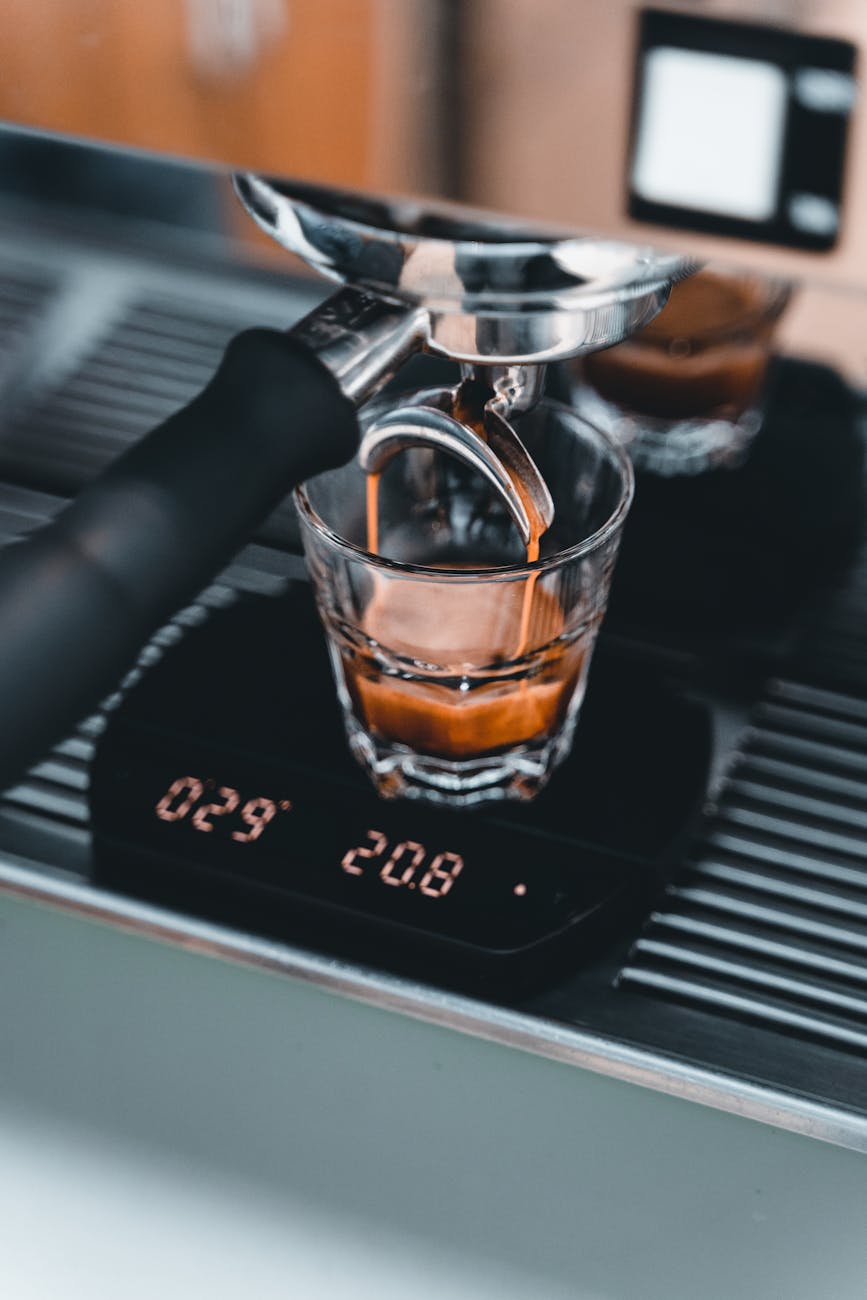
The quest to replicate the perfect Starbucks coffee at home is a familiar journey for many coffee lovers. We buy the same beans, grind them to the perfect consistency, and measure our water with precision. Yet, often the final cup lacks that signature, robust flavor we crave. The missing ingredient isn’t a secret syrup or a special bean; it’s a variable often overlooked: water temperature. This single factor has a profound impact on how flavor is extracted from the coffee grounds. In this article, we will delve into the science of coffee extraction, uncover the specific temperature standards used by Starbucks, and provide you with the practical knowledge to manipulate this crucial element, bringing you one giant step closer to brewing that unmistakable Starbucks taste in your own kitchen.
The science of balanced coffee extraction
At its core, brewing coffee is a simple process of chemical extraction. Hot water acts as a solvent, dissolving hundreds of different soluble compounds from the roasted, ground coffee beans. These compounds include acids, sugars, oils, and melanoidins, each contributing a unique note to the final flavor profile. The goal of any good brew is to achieve a balanced extraction, pulling out the desirable elements while leaving the unpleasant ones behind.
Water temperature is the engine that drives this process. Think of it as a dial controlling the speed and intensity of the extraction:
- Water that’s too cool (below 190°F or 88°C) is an inefficient solvent. It lacks the thermal energy to properly dissolve the sugars and oils, leading to under-extraction. The resulting coffee will taste weak, sour, and noticeably acidic, as the bright, tangy acids are among the first compounds to dissolve.
- Water that’s too hot (above 205°F or 96°C) is overly aggressive. It extracts everything too quickly, including the bitter, astringent compounds that should ideally remain in the grounds. This over-extraction results in a harsh, burnt, and unpleasantly bitter cup of coffee, masking all the delicate nuances.
Achieving that perfect balance is key. By controlling the temperature, you control which compounds are highlighted, directly shaping the taste, body, and aroma of your coffee.
Decoding the Starbucks temperature standard
So, where does Starbucks fall on this temperature spectrum? While many third-wave or specialty coffee shops advocate for a slightly cooler brew to highlight delicate, fruity notes, Starbucks takes a hotter approach. Their official brewing standard for drip coffee makers is a precise range of 195°F to 205°F (90.6°C to 96.1°C). This isn’t an arbitrary number; it’s a carefully chosen range designed to consistently produce their signature flavor profile across millions of cups served daily.
This higher temperature range is intentional and serves several key purposes. Firstly, it complements their roasting style. Starbucks is famous for its darker roasts, which have a more porous and less dense bean structure. The hotter water allows for a fast and efficient extraction of the deep, roasty, and caramelized flavors that define these beans. Secondly, this robust flavor profile is engineered to stand up to the additions of milk, cream, and sugar, ensuring the coffee taste is never lost in a latte or Frappuccino. A weaker, under-extracted base would be completely overwhelmed.
How temperature creates the signature Starbucks taste
The 195°F to 205°F brewing window is directly responsible for creating the flavor characteristics most people associate with Starbucks: a bold body, low acidity, and a dominant roasty flavor.
Using a temperature in this higher range has a direct impact on the final taste. It works to break down and extract the heavier compounds and oils within the dark roast beans, which contributes to a fuller, more substantial mouthfeel or body. At the same time, this intense heat tends to suppress the perception of brighter, fruitier acids. Instead, it emphasizes the deeper, bittersweet notes developed during the roasting process. If you were to brew a classic Starbucks bean like Pike Place Roast at a lower temperature, say 185°F, you would likely find the result to be disappointingly thin and sour, completely lacking the familiar richness.
Practical tips for brewing at home
Now for the most important part: applying this knowledge in your own kitchen. Guessing the water temperature is the most common mistake home brewers make. Using water directly off a rolling boil (212°F or 100°C) will scorch the grounds and guarantee a bitter cup.
Your most essential tool is a thermometer. Whether it’s a simple digital kitchen thermometer or a variable temperature kettle, measuring is non-negotiable. The easiest method is to bring your water to a full boil, remove it from the heat, and let it stand for 30 to 60 seconds. This will typically land you perfectly within the 195°F-205°F target zone. Start with 200°F as your baseline and adjust based on taste.
The table below illustrates how small temperature changes can affect your brew using a Starbucks dark roast:
| Temperature | Extraction Level | Resulting Flavor Profile |
|---|---|---|
| 185°F (85°C) | Under-extracted | Sour, acidic, weak body, grassy notes. |
| 200°F (93°C) | Balanced (The Sweet Spot) | Bold, full-bodied, low acidity, rich and roasty. |
| 212°F (100°C) | Over-extracted | Bitter, harsh, astringent, burnt taste. |
Remember, while temperature is a huge piece of the puzzle, don’t forget the other fundamentals. Use fresh, correctly ground beans (a medium grind for drip is a great start) and maintain a proper coffee-to-water ratio (a good rule of thumb is two tablespoons of coffee for every six ounces of water).
In conclusion, mastering the art of the home-brewed Starbucks coffee goes far beyond simply buying the right bag of beans. Water temperature is an active and powerful ingredient in the brewing process, not a passive one. We’ve seen how Starbucks intentionally uses a hotter brewing range of 195°F to 205°F to extract the bold, full-bodied, and roasty flavors that define their iconic taste, a profile perfectly suited for their darker roasts and milk-based drinks. By abandoning guesswork and embracing a simple thermometer, you can take control of this crucial variable. This simple adjustment will dramatically improve your brew, helping you finally bridge the gap between a decent homemade coffee and a cup that genuinely captures the Starbucks experience.
 No products in the cart.