

The roast and the spoon: Why your espresso’s sugar needs change
For many, the morning ritual is incomplete without a rich, potent shot of espresso. And for a significant portion of those coffee lovers, the next step is reaching for the sugar bowl. But have you ever noticed that some espressos seem to cry out for a spoonful of sweetness, while others are perfectly satisfying on their own? This isn’t just a matter of personal preference; it’s deeply connected to the coffee bean’s journey in the roaster. The level of roast, from light to dark, fundamentally alters the chemical composition and flavor profile of the coffee. This article explores the intricate relationship between espresso roast levels and our impulse to add sugar, delving into how roasting changes flavor and why your dark roast might need more help than your light roast.
How roasting forges an espresso’s flavor
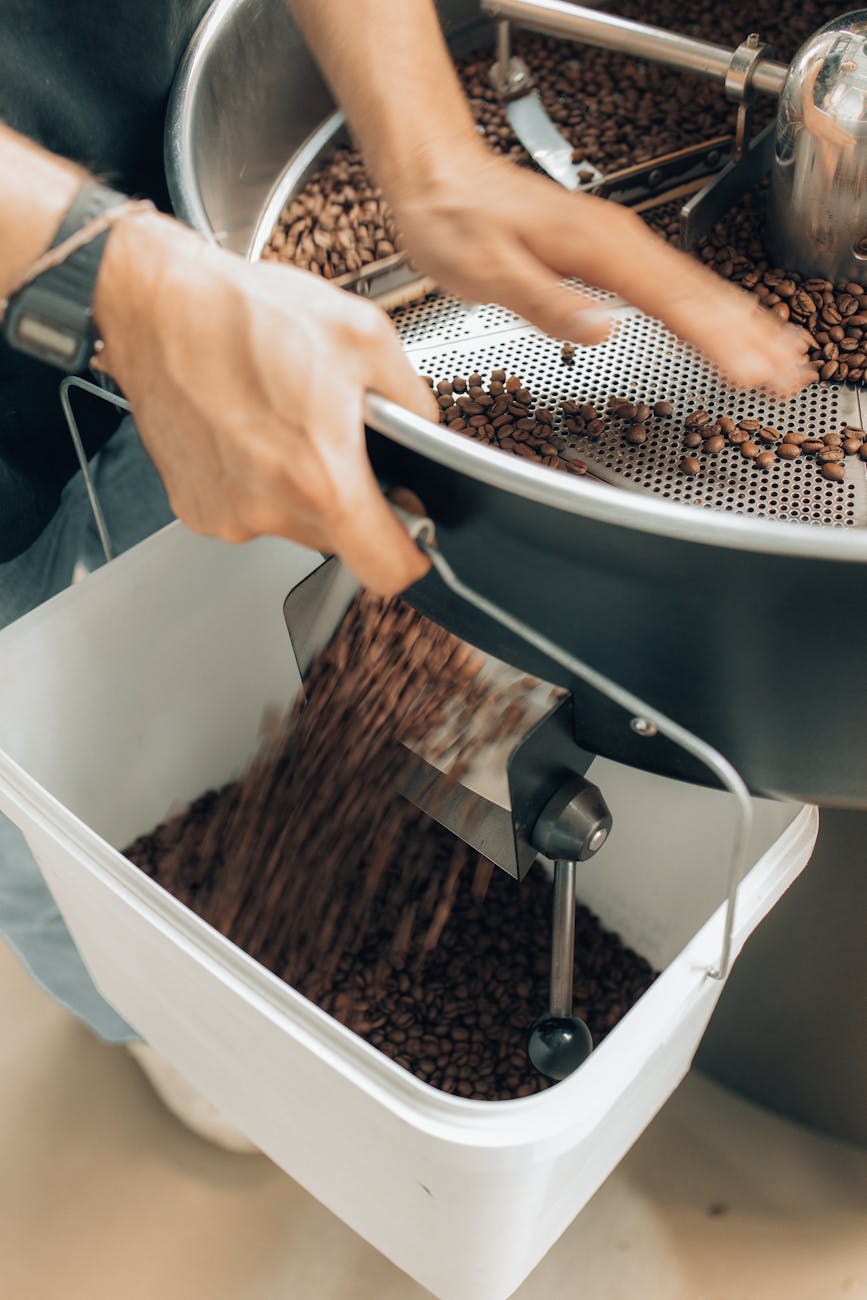
The journey from a green, raw coffee bean to the aromatic, brown bean ready for grinding is a transformative process driven by heat. Roasting is where the magic happens, unlocking the potential flavors locked inside. Two key chemical reactions are at play: the Maillard reaction and caramelization. The Maillard reaction is responsible for the browning and the development of hundreds of new aromatic compounds, contributing savory, nutty, and malty notes. As the temperature continues to rise, the sugars within the bean begin to caramelize, creating the sweet and slightly bitter notes we associate with coffee, like caramel and toffee.
The duration and temperature of the roast dictate which flavors become dominant.
- Light roasts are pulled from the roaster early. They undergo less caramelization, preserving the bean’s original, delicate flavors and its natural acidity.
- Medium roasts represent a balance point. The bean’s origin characteristics are still present, but they are now complemented by the deeper sweetness from caramelization and the complexity of the Maillard reaction.
- Dark roasts are roasted the longest. The bean’s original flavors are largely replaced by the dominant, bold notes of the roasting process itself. The sugars are heavily caramelized, sometimes to the point of carbonization, which introduces smoky and intensely bitter flavors.
Decoding the taste: From light and bright to dark and bold
The chemical changes from roasting translate directly to the taste in your cup, creating distinct profiles that interact differently with sugar. A light roast espresso, for example, is characterized by its bright, crisp acidity. Think of notes like lemon, green apple, or jasmine. Its natural sweetness is subtle and often fruit-like. When someone adds sugar to a light roast, it’s typically not to hide a flaw, but to temper the high acidity, much like adding a little sugar to lemonade makes the citrus flavor pop rather than pucker.
A medium roast often hits the “sweet spot” for many palates. The acidity is softer, and the flavors of chocolate, nuts, and caramel are more pronounced. These espressos have a rounder body and a more inherent sweetness, often requiring little to no sugar. Here, a touch of sugar can enhance these existing dessert-like notes but is rarely needed to correct an imbalance.
Conversely, a dark roast espresso is a bold, intense experience. Acidity is almost non-existent, replaced by a heavy body and powerful, bittersweet flavors like dark chocolate, smoke, and ash. The extensive caramelization has converted most of the natural sugars into more bitter compounds. This is where the sugar spoon becomes a crucial tool for many, used directly to counteract the potent bitterness and reintroduce a sense of sweetness that the roasting process has diminished.
Your palate’s perspective: The science of sugar and taste
Our perception of taste is a fascinating balancing act. The primary reason we add sugar is to increase sweetness, but its most powerful function in coffee is often to suppress bitterness. Our taste receptors for sweet and bitter have an inverse relationship; when sweetness is introduced, our brain’s perception of bitterness is dampened. This is why a heaping spoonful of sugar can make an intensely bitter dark roast suddenly palatable. The sugar isn’t just adding its own flavor; it’s fundamentally changing how you experience the coffee’s inherent bitterness.
The relationship between sugar and acidity is more complementary. A high-acidity light roast can taste sharp or sour to some. A small amount of sugar doesn’t erase the acidity but rather rounds its sharp edges, allowing the more subtle fruity and floral notes to shine through. It balances the flavor profile, creating a more harmonious and less jarring experience on the palate. Therefore, the decision to add sugar is a direct response to the dominant taste characteristics forged by the roast level.
Finding your perfect balance: A practical guide
Understanding the “why” behind adding sugar empowers you to be more intentional with your espresso. The first rule is always to taste your espresso first before reaching for a sweetener. You might be surprised by the natural sweetness of a well-pulled medium roast or find that you enjoy the zesty acidity of a light roast on its own. If you do decide to add sugar, the roast level is your best guide for how much you might need.
This table offers a general starting point for experimenting:
| Roast Level | Primary Taste Profile | Why Sugar is Typically Added | Suggested Starting Point (per espresso) |
|---|---|---|---|
| Light Roast | High acidity, floral, citrus, fruity | To soften sharp acidity | Taste first, then add ¼ to ½ teaspoon |
| Medium Roast | Balanced, caramel, chocolate, nutty | To enhance natural sweetness | Often needs no sugar, or just a touch (¼ teaspoon) |
| Dark Roast | Low acidity, high bitterness, smoky, roasty | To counteract strong bitterness | ½ to 1+ teaspoon |
Don’t forget that the type of sweetener matters, too. A neutral white sugar will sweeten without altering flavor, ideal for delicate light roasts. A raw or brown sugar, with its molasses notes, can beautifully complement the caramel and chocolate notes in a medium or dark roast.
The final word on sweetness and roasts
The connection between an espresso’s roast and its need for sugar is not arbitrary; it’s a direct result of chemistry and flavor science. The roasting process creates a spectrum of taste, from the bright, acidic profiles of light roasts to the balanced, sweet notes of medium roasts and the intense, bitter character of dark roasts. Consequently, sugar plays different roles: it’s a balancer for acidity in light roasts, an enhancer for sweetness in medium roasts, and a powerful antidote to bitterness in dark roasts. By understanding this relationship, you can move beyond habit and start sweetening your espresso with purpose, tailoring each cup to its unique profile and finding your personal, perfect sweet spot.
 No products in the cart.