

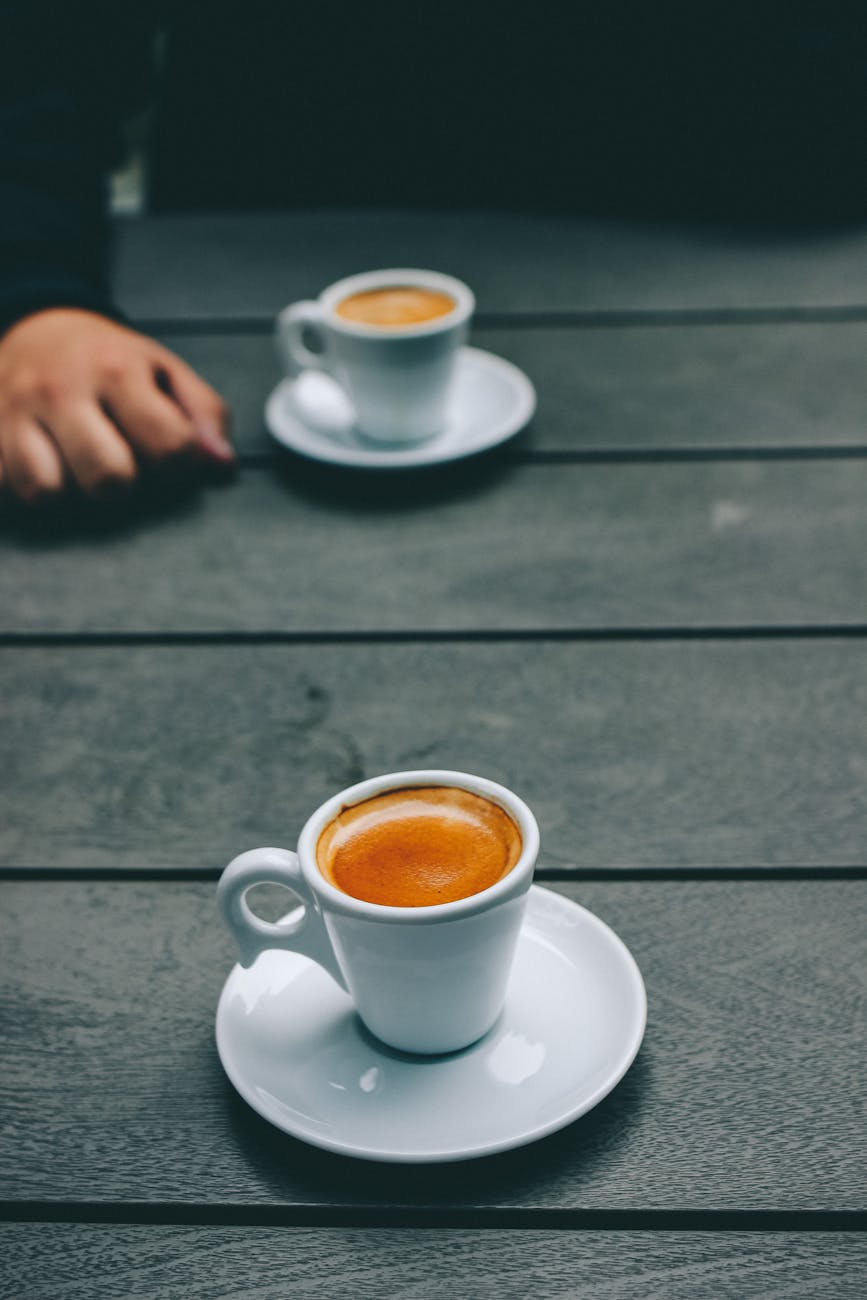
The ritual of an espresso shot is a cherished moment for coffee lovers worldwide. From the rich, hazelnut-colored crema to the intense, concentrated aroma, it’s a multi-sensory experience. Yet, one of the most debated aspects of this ritual is the addition of sugar. For purists, it’s an act that masks the coffee’s true character. For others, it’s essential for balancing bitterness. This article moves beyond the simple “sweet vs. bitter” debate to explore a more nuanced question: how does sugar specifically affect the lingering aftertaste and finish of an espresso? We will delve into the science of taste perception and the chemical interactions that occur when sugar is introduced, revealing how it fundamentally alters the final, lasting impression of the coffee on your palate.
The anatomy of an espresso’s finish
Before we can understand the effect of sugar, we must first appreciate the complexity of an unsweetened espresso’s finish. The “finish” or “aftertaste” is the collection of flavors and sensations that remain in your mouth after you’ve swallowed the coffee. A high-quality espresso shot offers a long, pleasant, and evolving finish. This experience is a delicate dance between three key components:
- Acidity: Not to be confused with sourness, bright acidity provides a lively, crisp quality. In the aftertaste, it can manifest as a clean feeling, reminiscent of citrus or berry notes.
- Bitterness: A core element of coffee, bitterness comes from compounds like chlorogenic acids and caffeine. In a well-extracted shot, bitterness is balanced and pleasant, often perceived as dark chocolate or roasted nuts in the finish.
- Natural Sweetness: Through the Maillard reaction and caramelization during roasting, coffee beans develop their own inherent sweetness. This can leave a subtle, lingering note of caramel, honey, or fruit in the aftertaste.
A great finish is not static; it changes over seconds and even minutes. The initial robust flavors might fade to reveal more delicate floral or spicy notes. This lingering complexity is what coffee connoisseurs seek and is the baseline against which we must measure the impact of adding sugar.
Sugar’s role as a sensory masker
When you stir a spoonful of sugar into your espresso, you’re doing more than just adding a sweet taste. You are initiating a complex interaction on your tongue. Our taste receptors for bitterness and sweetness are closely linked. Sucrose, the primary component of table sugar, is incredibly effective at binding to sweet receptors. This powerful signal can effectively “distract” the brain from processing bitter signals with the same intensity.
Essentially, sugar doesn’t remove the bitter compounds from the espresso; it masks your ability to perceive them fully. This is why a particularly bitter or poorly extracted shot can be made more palatable with sugar. It rounds off the harsh edges and can even reduce the perception of overly sharp acidity. However, this masking effect is a double-edged sword. While it dampens unpleasant bitterness, it also dulls the sophisticated, pleasant bitterness of dark chocolate or the nuanced acidity that gives a coffee its character. The immediate result is a simpler, more one-dimensional flavor profile, which directly impacts the subsequent aftertaste.
Transforming the aftertaste: from complex to simple
The true impact of sugar is most evident in the moments after you’ve finished your sip. Where an unsweetened espresso might leave a clean, evolving finish, a sweetened shot behaves very differently. The sugar molecules, dissolved in the liquid, coat the tongue and palate. This creates two significant changes:
- Truncated Complexity: The residual sweetness on the palate tends to overpower the subtle, delicate notes that would normally emerge in the finish. The faint hints of jasmine, the whisper of blueberry, or the warm spice of cinnamon are often lost beneath a blanket of simple sweetness. The aftertaste becomes shorter and less interesting because its evolution is halted.
- Altered Mouthfeel: Sugar increases the viscosity or “body” of the espresso. While this might feel pleasant initially, the lingering sensation can be slightly syrupy or even cloying. Instead of a clean finish that leaves you wanting more, it can leave a sticky residue that obscures the coffee’s own texture. The focus of the aftertaste shifts from the coffee’s origin and roast profile to the simple sensation of residual sugar.
The type of sugar makes a difference
Not all sugars are created equal, and the type you choose will contribute its own character to the espresso’s finish. While all will add sweetness and mask bitterness to some degree, their unique properties create distinct aftertastes.
Understanding these differences allows for a more intentional choice. If you must add sugar, choosing one that complements the coffee’s profile can lead to a more harmonious, albeit altered, experience.
| Sugar Type | Flavor Profile Contribution | Effect on Aftertaste |
|---|---|---|
| White Sugar (Sucrose) | Pure, neutral sweetness. It has no flavor of its own. | Provides the most direct masking of bitterness but creates a simple, often one-dimensional sweet finish that can feel cloying. |
| Brown Sugar | Adds distinct notes of molasses and caramel. | The molasses flavor lingers alongside the sweetness, which can either complement a chocolatey coffee or clash with a fruity one. The aftertaste is more complex than with white sugar, but not necessarily from the coffee itself. |
| Raw/Turbinado Sugar | Subtle, light caramel or honey notes. Less processed than white sugar. | Offers a slightly more nuanced sweetness. Its larger crystals dissolve slower, which can result in a less uniform taste. The aftertaste is less intense than brown sugar but richer than white. |
The decision to add sugar to an espresso is ultimately a personal one, but it’s a choice that goes far beyond a simple preference for sweetness. It is a fundamental alteration of the coffee’s sensory journey. Sugar acts as a powerful masking agent, immediately simplifying the complex interplay of bitterness, acidity, and natural sweetness that defines a great shot. This transformation extends profoundly into the aftertaste, often truncating the evolving, complex finish prized by enthusiasts and replacing it with a simpler, more monolithic sweetness. The type of sugar can add another layer, contributing its own flavors to the finish. For those seeking to appreciate the full character of a specialty coffee, trying it first without sugar is key to discovering the long, sophisticated aftertaste the roaster and barista worked to create.


 No products in the cart.