

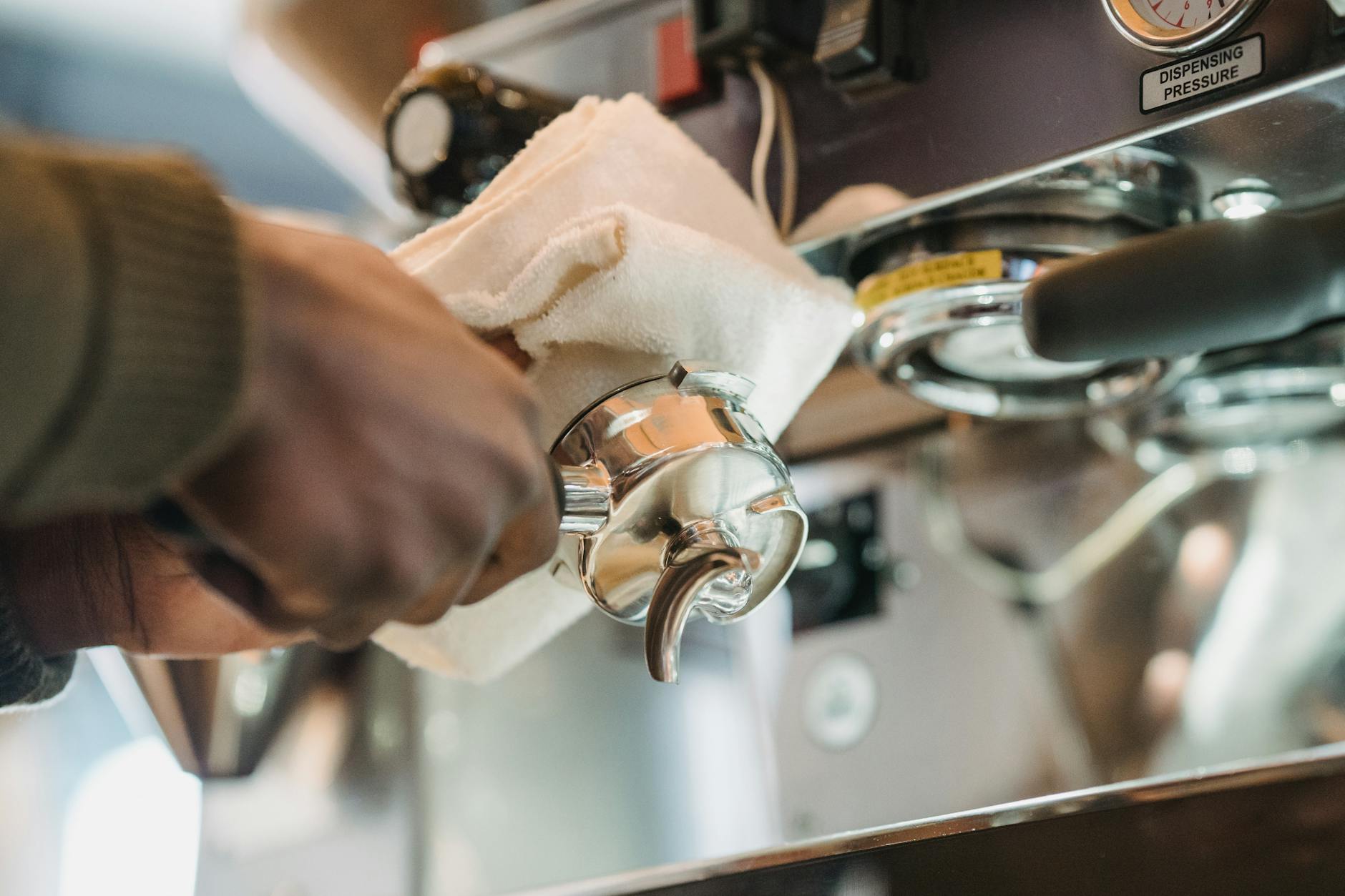
Why you should never add sugar to your portafilter
The quest for the perfect, sweet shot of espresso has led many coffee enthusiasts down a path of experimentation. One popular but misguided “hack” that circulates online is adding sugar directly to the portafilter along with the ground coffee. The idea seems simple: infuse sweetness right into the brew for a perfectly integrated flavor. However, this common shortcut is one of the most damaging things you can do to your espresso machine and your coffee’s taste. This practice, born from a desire for convenience, ignores the fundamental science of heat, pressure, and sugar. In this article, we will delve into why this seemingly harmless tip can lead to costly repairs, frustrating maintenance, and ultimately, a terrible-tasting cup of coffee.
The science of sugar under pressure and heat
To understand the damage, we first need to look at what happens to sugar when it’s subjected to the intense environment inside an espresso machine. An espresso shot is pulled at a temperature of around 90-96°C (195-205°F) and under approximately 9 bars of pressure. While this temperature is perfect for extracting coffee oils and flavors, it has a very different effect on sugar.
When heated, sugar doesn’t just dissolve nicely into the water. Instead, it begins to caramelize. It melts, thickens, and turns into a sticky, gooey substance. Under the immense pressure of an espresso machine, this molten sugar is forced not just through the coffee puck but into every tiny crevice it can find. This includes the microscopic holes of your portafilter basket, the shower screen in the group head, and even further up into the machine’s internal mechanics. Unlike coffee grounds, which are mostly flushed out, this caramelized sugar residue cools and hardens into a cement-like varnish that is incredibly difficult to remove.
The devastating impact on your espresso machine
The journey of that sticky, caramelized sugar doesn’t end in the cup. It leaves a trail of destruction that can lead to significant and expensive damage to your espresso machine’s most critical components.
- Clogged portafilter and basket: The most immediate effect is on your portafilter basket. The hardened sugar will block the precision-drilled holes, preventing water from flowing through evenly. This not only makes cleaning a nightmare but also causes channeling during extraction, where water finds the path of least resistance, leading to a poorly extracted shot.
- Group head and shower screen blockage: The pressurized water will inevitably carry molten sugar upwards, plastering it onto the shower screen. A clogged shower screen disrupts the even distribution of water over the coffee puck, making a quality shot impossible. Over time, this buildup can become so severe that it restricts water flow entirely.
- Critical internal damage: The most serious danger lies within the machine itself. Many espresso machines use a three-way solenoid valve to release pressure from the group head after a shot is pulled. This backflush action can suck the sticky sugar-water mixture into the valve, causing it to stick or fail completely. A faulty solenoid valve can prevent the machine from building pressure or, more commonly, from releasing it, leaving you with a messy, soupy puck. This is a component that often requires a professional technician to replace.
How it ruins your espresso’s flavor
Even if you were willing to risk your equipment for a sweet shot, the final result in the cup is far from desirable. Adding sugar before brewing fundamentally ruins the flavor profile of the espresso in several ways. The intense, rapid heat of the extraction process doesn’t gently caramelize the sugar; it scorches it. This introduces a prominent burnt, acrid, and bitter taste that completely overpowers the delicate and complex notes of your coffee beans.
Furthermore, as discussed, the sugar clogs the basket, leading to severe channeling and uneven extraction. This results in a shot that is simultaneously sour (from under-extracted parts of the puck) and intensely bitter (from over-extracted parts), all masked by an unpleasant burnt-sugar flavor. You lose all the nuance—the fruity, floral, or chocolatey notes—that makes specialty coffee worth drinking. Instead of an integrated, sweet espresso, you get an unbalanced and often undrinkable mess.
Safer alternatives for a sweeter cup
Fortunately, achieving a sweet and delicious espresso beverage is simple without resorting to destructive methods. The solution is as old as coffee itself: sweeten your drink after it has been brewed. This approach gives you complete control over the final taste and poses zero risk to your valuable equipment.
Here are the best ways to do it:
- Add to the cup: The simplest method. Add granulated sugar, a sugar cube, or your sweetener of choice directly to your demitasse after the shot is pulled. The heat of the fresh espresso will help it dissolve quickly.
- Use liquid sweeteners: For even better integration, use a liquid sweetener. Simple syrup (equal parts sugar and water, heated until dissolved) blends in seamlessly. Other great options include maple syrup, agave nectar, or flavored syrups like vanilla and caramel.
- Improve your brewing technique: Often, the desire to add sugar stems from an espresso shot that is too bitter or sour. This is usually a sign of an issue with your brewing variables, not the coffee itself. By dialing in your grind size, ensuring you are using the correct dose of coffee, and tamping evenly, you can produce a naturally sweeter, more balanced shot that may not need any sugar at all.
Let’s compare the two methods directly:
| Feature | Adding sugar to the portafilter (Before brewing) | Adding sugar to the cup (After brewing) |
|---|---|---|
| Machine safety | High risk. Causes clogging and can lead to permanent damage of the basket, group head, and solenoid valve. | Completely safe. No risk of damage to the espresso machine. |
| Espresso quality | Poor. Scorched, burnt, and bitter taste. Uneven extraction leads to an unbalanced shot. | Excellent. Preserves the coffee’s natural flavor profile. Sweetness can be adjusted to taste. |
| Control | None. The level of sweetness and caramelization is unpredictable. | Full control over the type and amount of sweetener. |
In conclusion, while the idea of infusing sugar directly during the brewing process might sound appealing, it is a recipe for disaster. The science is clear: the heat and pressure of an espresso machine will scorch sugar, creating a burnt and unpleasant flavor while simultaneously producing a sticky residue that causes severe, and often irreversible, damage to your equipment. From a clogged portafilter to a failed solenoid valve, the repair costs can far outweigh any perceived convenience. The best, safest, and most flavorful way to enjoy a sweet espresso is the traditional way—by adding your preferred sweetener to the cup after brewing. This preserves both the integrity of your coffee’s taste and the longevity of your beloved espresso machine.

 No products in the cart.