

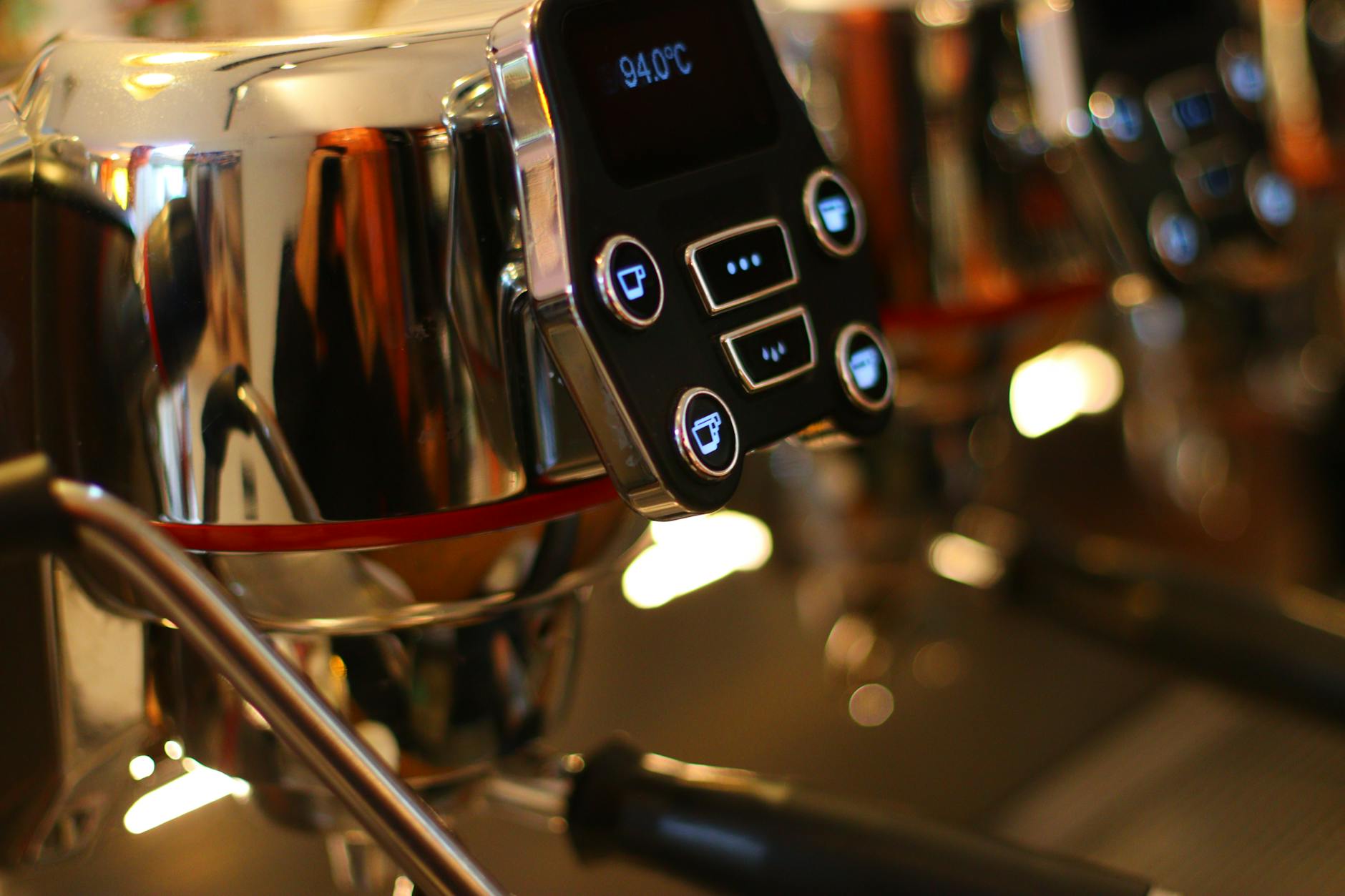
The sweet spot: How espresso temperature affects sugar and flavor
For millions, the day begins with the rich aroma and intense flavor of a perfectly pulled espresso. While we often focus on the quality of the beans or the fineness of the grind, one of the most critical and often overlooked variables is the water temperature. This single factor acts as a powerful lever, dictating which compounds are extracted from the coffee grounds and in what proportion. It’s the key that unlocks the door to a balanced, sweet, and complex cup. This article will delve into the science behind how espresso temperature directly influences the dissolution of sugars and other flavor compounds, ultimately shaping the final taste profile from sour and underwhelming to rich and satisfying.
The science of solubility and extraction
At its core, brewing espresso is a chemistry experiment. You are using a solvent (hot water) to extract soluble compounds from a solid (ground coffee). The success of this extraction hinges on the principle of solubility. Different compounds within the coffee bean, such as acids, sugars, and oils, dissolve at different rates. Temperature is the primary catalyst that governs this process. Generally, hotter water is a more effective solvent, meaning it can dissolve more solids more quickly.
Think of it like dissolving sugar in iced tea versus hot tea. In the cold drink, the sugar sinks to the bottom, dissolving slowly and incompletely. In hot tea, it dissolves almost instantly. The same principle applies to espresso. The water temperature determines the energy and speed of the extraction, influencing which flavor notes make it into your cup and which get left behind in the puck.
Temperature’s direct impact on sugar dissolution
The sweetness we cherish in a great espresso comes from complex sugars developed during the coffee roasting process. These sugars need sufficient thermal energy to dissolve properly. This is where temperature plays its most direct role in crafting a sweet and palatable shot.
Most espresso machines operate within an optimal range of 90-96°C (195-205°F). This is considered the “sweet spot” for a reason. Within this range, the water is hot enough to efficiently dissolve the desirable sugars and oils that provide sweetness, body, and complexity. This creates a foundation that can balance the coffee’s natural acidity.
If the temperature is too low, you get under-extraction. The water isn’t energetic enough to pull out enough sugars, leaving the more easily dissolved sour acids to dominate the cup. The result is a thin, weak, and unpleasantly sour shot. Conversely, if the temperature is too high, you risk over-extraction, where the water aggressively strips everything from the grounds, including bitter-tasting compounds that overwhelm any delicate sweetness.
Crafting the flavor profile: Sweetness, acidity, and bitterness
The balance between sweetness, acidity, and bitterness is what defines a truly great espresso. Temperature allows the barista to act as a conductor, highlighting certain sections of this flavor orchestra while quieting others.
- Low temperature (Below 90°C / 195°F): At this range, the extraction is inefficient. While acidic compounds are extracted relatively easily, the less soluble sugars and heavier body-building compounds are left behind. This leads to a shot that is overwhelmingly sour, lacking depth and a satisfying finish.
- Optimal temperature (90-96°C / 195-205°F): Here lies the harmony. The water has enough energy to dissolve the sugars needed to counterbalance the acidity, creating a rounded and complete flavor profile. You can perceive the coffee’s origin notes, whether they are fruity, floral, or chocolaty, all supported by a pleasant sweetness and rich body.
- High temperature (Above 96°C / 205°F): Pushing the temperature too high causes the water to extract compounds too aggressively. This includes an excess of caffeine and phenolic compounds, which contribute to harsh bitterness and astringency (a dry, puckering sensation). This “burnt” or ashy taste completely masks the nuanced sweetness and acidity.
Putting it into practice: Finding your ideal temperature
The perfect temperature isn’t a single magic number; it’s a moving target that depends heavily on the coffee beans you are using, especially their roast level. A quality espresso machine with a PID (Proportional-Integral-Derivative) controller allows for precise temperature management, giving you the ability to tailor the extraction to the bean.
Lighter roasts, for example, are denser and less soluble, so they often require a higher temperature to properly extract their complex floral and fruity notes and develop sweetness. Darker roasts are more brittle and porous, making them highly soluble. Using a slightly cooler temperature for them helps prevent the extraction of ashy, bitter flavors, emphasizing their deep, chocolaty, and nutty notes instead.
Here is a general guide to get you started:
| Roast level | Recommended temperature range | Primary flavor goal |
|---|---|---|
| Light roast | 92-96°C (198-205°F) | Extract bright acidity and develop sweetness |
| Medium roast | 90-93°C (195-200°F) | Achieve balance between sweetness, body, and acidity |
| Dark roast | 88-92°C (190-198°F) | Tame bitterness and highlight rich, deep flavors |
Use these as starting points and don’t be afraid to experiment by adjusting your temperature by a single degree at a time. The difference in taste can be remarkable.
Conclusion
Water temperature is far more than just a setting on your espresso machine; it is one of the most influential tools at your disposal for controlling flavor. By understanding that temperature directly governs the solubility of sugars and other flavor compounds, you can move beyond a one-size-fits-all approach. The journey from a sour, under-extracted shot to a bitter, over-extracted one is separated by only a few degrees. Mastering this variable allows you to dial in the perfect recipe for each specific coffee bean, balancing acidity and bitterness with a rich, satisfying sweetness. For any home barista looking to elevate their craft, paying close attention to temperature is a non-negotiable step toward unlocking the true potential in every cup.

 No products in the cart.