

The sweet debate: Should you stir or fold sugar into your double shot?
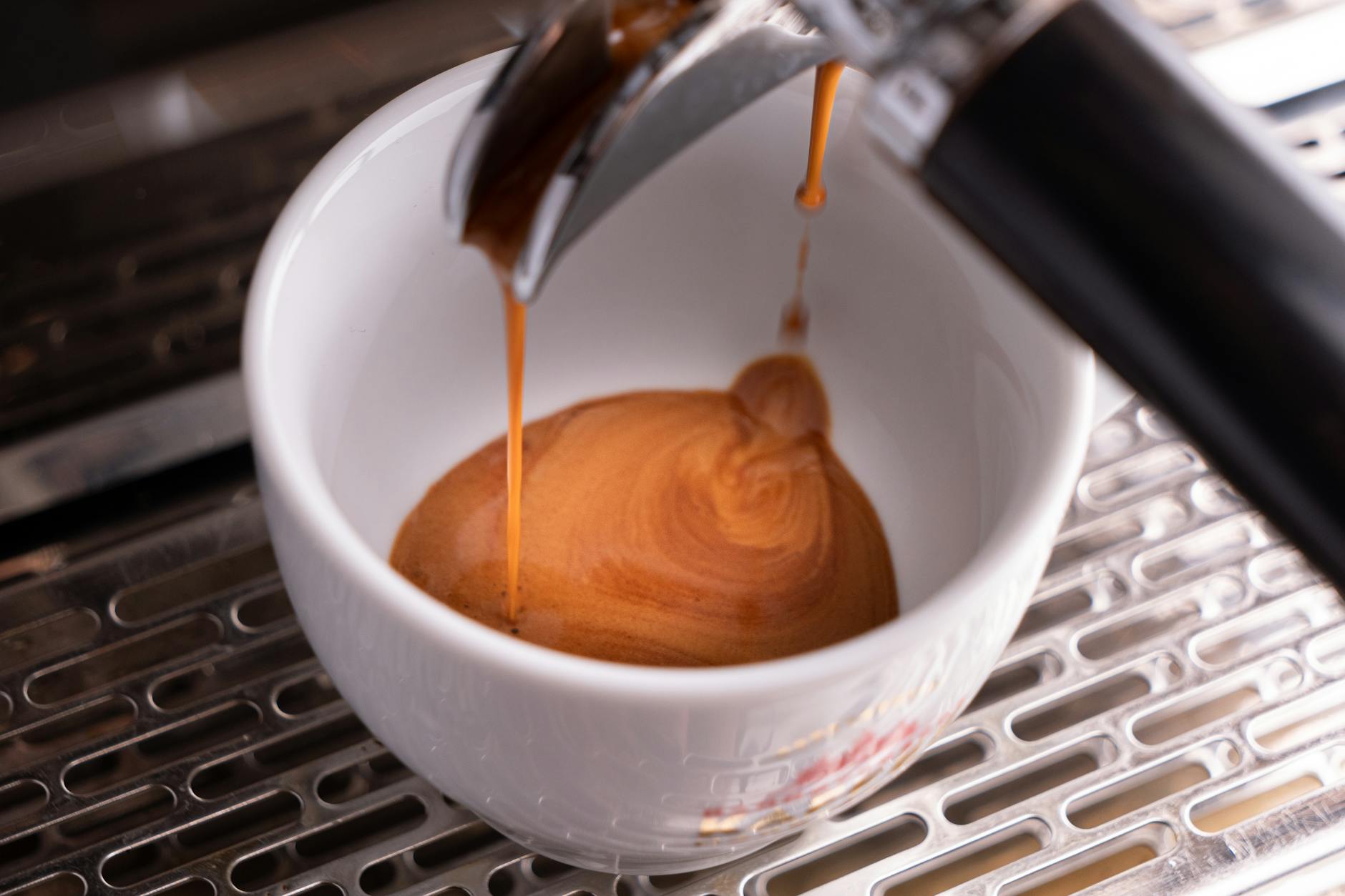
The perfect double shot of espresso arrives at your table, a rich, dark liquid crowned with a velvety, reddish-brown crema. It’s a work of art. Now comes the crucial moment for those who prefer a touch of sweetness: adding the sugar. For many, it’s a thoughtless, vigorous stir. For others, it’s a deliberate, gentle ritual. This isn’t just a matter of habit; it’s a debate that touches the very soul of the espresso experience. The method you choose—a rapid stir or a careful fold—directly impacts the coffee’s texture, aroma, and taste. This article delves into the science and sensory implications of both techniques to help you decide the best way to sweeten your espresso without compromising its integrity.
Understanding the anatomy of a double shot
Before we can properly discuss how to add sugar, we must first understand what we’re working with. A double espresso isn’t just strong coffee; it’s a complex emulsion created by forcing hot water through finely-ground coffee beans at high pressure. The most visually and texturally important part of this is the crema. This golden-brown foam on top is not just for looks. It’s a delicate matrix of emulsified coffee oils, microscopic coffee grounds, and trapped carbon dioxide gas released from the beans during extraction.
The crema acts as a cap, sealing in the volatile aromatic compounds that give espresso its incredible fragrance. When you agitate the crema, these aromas are released. Furthermore, its oily composition contributes significantly to the espresso’s desirable, velvety mouthfeel. Therefore, the central conflict in the stirring vs. folding debate is a simple one: how do we dissolve the sugar while causing the least amount of damage to this precious crema?
The case for stirring: Efficiency and consistency
Stirring is the most common and intuitive method. It involves inserting a spoon and moving it in a quick, circular motion until the sugar is dissolved. From a purely scientific standpoint, this method is highly effective. The aggressive agitation creates a vortex, increasing the contact between the sugar crystals and the hot liquid, which dramatically speeds up the rate of dissolution. This is a simple matter of kinetics.
The primary benefit of stirring is uniformity. A vigorous stir ensures that the sugar is evenly distributed throughout the entire shot, from the first sip to the last. There’s no risk of hitting a pocket of unsweetened coffee or finding a sugary sludge at the bottom of your cup. However, this efficiency comes at a cost. The same aggressive motion that dissolves the sugar so well also decimates the delicate foam structure of the crema. It rapidly breaks down the bubbles, releasing all the trapped aromas at once and thinning out the liquid, leading to a less luxurious mouthfeel.
The art of folding: A gentle approach
Folding is the technique preferred by many coffee purists and experienced baristas. It requires more patience and a gentle hand. Instead of a chaotic circular motion, you use the spoon to gently push the crema and coffee from the edges toward the center, allowing the sugar at the bottom to be incorporated slowly. Think of it less as mixing and more as gently persuading the sugar to dissolve with minimal disturbance.
The main goal here is crema preservation. By minimizing agitation, the folding technique keeps the crema largely intact. This maintains the espresso’s rich, syrupy texture and allows for a more controlled release of its aromas as you sip. The resulting experience is often described as more complex and satisfying. The downside is that it’s a slower process, and if not done with care, it can result in less-than-perfect sugar dissolution, potentially leaving a few crystals behind. It’s a trade-off: a small sacrifice in speed for a significant gain in sensory quality.
The verdict: A comparative analysis
Ultimately, the “best” method depends entirely on your priorities as a coffee drinker. Are you looking for a quick, consistent, and sweet caffeine fix, or are you seeking a nuanced sensory experience that honors the craft behind the shot? To make the choice clearer, let’s compare the two methods side by side.
| Metric | Stirring | Folding |
|---|---|---|
| Crema Preservation | Low. The crema is quickly broken down. | High. The structure is largely maintained. |
| Dissolution Speed | Very fast. | Slower and more deliberate. |
| Flavor Consistency | Excellent. Sweetness is evenly distributed. | Good, but requires care to be fully consistent. |
| Mouthfeel/Texture | Thinner, due to crema degradation. | Richer and more velvety. |
| Best For… | A quick, no-fuss coffee where even sweetness is the top priority. | Savoring the full aroma, texture, and complexity of a quality espresso shot. |
As the table illustrates, there is a clear distinction. Stirring prioritizes speed and uniformity, while folding prioritizes the preservation of the espresso’s delicate characteristics. Your choice reflects what you value most in your cup.
In conclusion, the debate over stirring versus folding sugar into a double shot is more than just a matter of preference; it’s a reflection of one’s approach to coffee itself. While stirring offers a fast and foolproof way to achieve consistent sweetness, it does so at the expense of the espresso’s most celebrated qualities: its aromatic crema and velvety mouthfeel. Folding, on the other hand, is a technique of patience and respect. It requires a moment longer but rewards the drinker by preserving the integrity of the shot, delivering a richer and more aromatic experience. For the connoisseur who wants to appreciate every nuance the barista worked to create, folding is unequivocally the superior method.



 No products in the cart.