

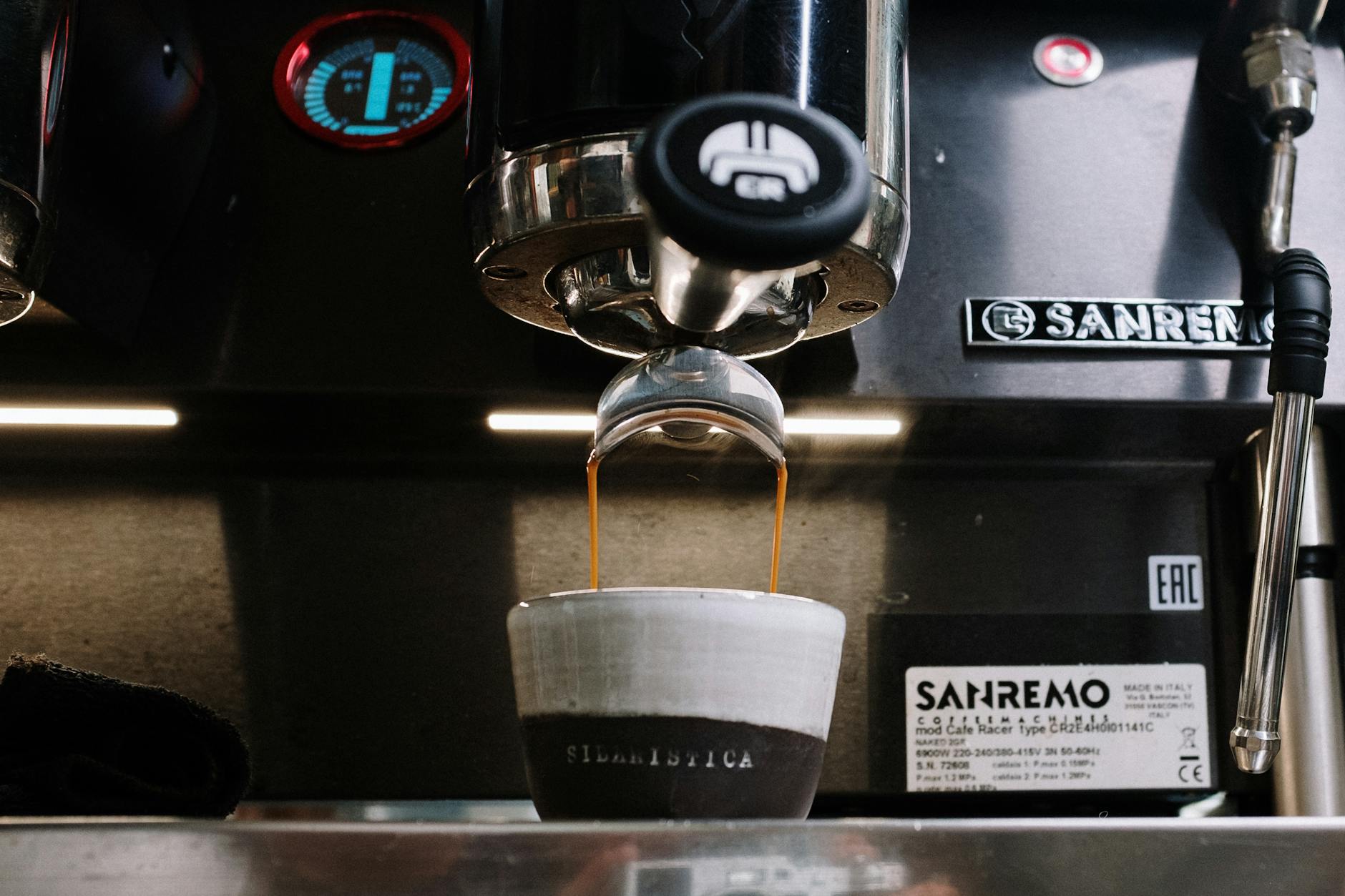
The art of the post-dinner espresso: A guide to seamless brewing
The perfect meal deserves a perfect ending. For many, that finale is a rich, aromatic espresso, served with care and savored in good company. However, the transition from dinner host to home barista can often feel rushed and chaotic. Fumbling with grinders, pulling inconsistent shots, and making a mess of the counter while your guests wait is a stressful experience. True coffee hospitality isn’t just about the final product; it’s about the effortless grace of its delivery. This guide is designed to help you prepare your espresso machine and workspace in advance, transforming the post-meal coffee course from a frantic scramble into a smooth, impressive, and enjoyable ritual for both you and your guests.
The pre-dinner checklist: Setting the stage for success
The secret to a seamless brewing session begins long before the dessert plates are cleared. A few moments of preparation earlier in the day will eliminate the most common points of failure. Think of it as a chef’s mise en place, but for coffee. By organizing your station, you ensure that when the moment comes, your focus is on the craft, not on finding a tamper.
Start with the essentials of your machine:
- Water reservoir: Don’t wait until you need it to discover it’s empty. Fill the reservoir with fresh, filtered water. Using filtered or softened water is non-negotiable for both taste and the longevity of your machine. Tap water high in mineral content can build up scale, which restricts water flow and impacts temperature, leading to poor extractions and costly repairs down the line.
- Bean hopper: Top up your grinder’s hopper with fresh coffee beans. There’s nothing worse than the sound of a grinder running empty midway through preparing a round of drinks. This also gives you a moment to decide which coffee you’ll be serving your guests.
- Machine warm-up: An espresso machine needs more than a few minutes to get ready. Turn it on at least 30 to 45 minutes before you anticipate using it. This isn’t just about the water in the boiler; it’s about achieving thermal stability. The entire system, especially the heavy brass or steel group head and the portafilter, must be completely heated to avoid shocking the coffee puck with cold metal, which results in a sour, under-extracted shot.
- Tool assembly: Gather and arrange all your tools. This includes your portafilter, tamper, distribution tool, weighing scale, knock box, and a stack of clean, dry microfiber cloths. Pre-warming your cups by placing them on top of the machine is another professional touch that makes a significant difference.
Dialing in your grind before the curtain rises
Of all the variables in espresso making, the grind size is the most critical and the one most likely to cause frustration under pressure. Attempting to “dial in” a new coffee with an audience is a recipe for wasted beans and mounting anxiety. The goal is to pull a test shot and make your adjustments in a relaxed setting before your guests have even arrived.
A great starting point for a standard espresso is a 1:2 brew ratio. This simply means that for every gram of coffee you put in the basket, you want to get two grams of liquid espresso out. For example, if you dose 18 grams of ground coffee, you’re aiming for a 36-gram shot. The key is to achieve this ratio within a specific time frame, typically 25 to 30 seconds from the moment you engage the pump.
Pull a test shot and observe the result. Is the shot flowing out too quickly, like a tiny faucet? Your grind is too coarse. Did it take 45 seconds to get to your target weight, dripping slowly and painfully? Your grind is too fine. Make small, incremental adjustments to your grinder and pull another shot. Once you hit that sweet spot of ratio and time, you can be confident that your grinder is set for success later in the evening.
The art of the clean slate: Group head and portafilter prep
Coffee is an oily, messy business. The residue and microscopic grounds left behind from a previous shot can impart rancid, bitter flavors into your next one. Ensuring your equipment is impeccably clean is a fundamental step that separates good espresso from great espresso. This is about flavor purity.
Before you even begin your dial-in process, give your machine a thorough flush. Lock in your empty portafilter and run the pump for 5-10 seconds to blast out any stray grounds from the shower screen. Remove the portafilter and use a group head brush to scrub around the gasket and screen, then flush again. This ensures no old coffee will taint your fresh shot.
Your portafilter and basket should be equally pristine. After every single shot, you should develop the habit of knocking out the spent puck, rinsing the portafilter head, and wiping the basket dry with a dedicated cloth. A wet basket can lead to water channeling through the coffee puck, creating an uneven and weak extraction. Similarly, ensure your steam wand is purged and wiped with a damp cloth immediately after every use. Baked-on milk is not only difficult to clean but also unhygienic.
Workflow for multiple drinks: The barista’s ballet
Serving espresso to a group requires more than just knowing how to pull a single good shot; it requires an efficient, repeatable workflow. The goal is to minimize downtime and serve drinks that are all of a consistently high quality and hot. This is where all your prior preparation comes together in a fluid sequence of actions.
The key is a “clean as you go” mentality. The moment a shot finishes extracting, your workflow for the next one begins. This prevents a pile-up of dirty equipment and a chaotic workspace. For milk-based drinks, efficiency can be gained by steaming milk while the espresso is extracting, if your machine allows for it. Below is a sample workflow for making two cappuccinos back-to-back.
| Step | Action | Rationale |
|---|---|---|
| 1. Grind & Prep | Grind, distribute, and tamp coffee for the first drink. | Prepare the coffee puck. |
| 2. Brew & Steam | Lock in the portafilter and start brewing. Immediately begin steaming milk for both drinks in a larger pitcher. | Multitasking saves time. Batching milk is more efficient. |
| 3. Serve & Reset | Pour milk for the first cappuccino. Immediately knock out the puck, rinse the portafilter, wipe the basket, and flush the group head. | Serve the drink while it’s hot and instantly prepare the station for the next shot. |
| 4. Repeat | Grind and prep for the second drink, pull the shot, and pour the remaining steamed milk. | The clean station makes the second drink just as fast and consistent as the first. |
This rhythm turns a complex task into a manageable and even meditative process. Your movements become deliberate and efficient, allowing you to remain engaged with your guests instead of being lost in a cloud of coffee grounds and steam.
By embracing preparation, you elevate the act of making coffee from a simple task to a genuine element of hospitality. Taking the time to pre-fill your water, warm up the machine, dial in your grinder, and organize your tools removes all the common stressors from the equation. It allows you to perform the barista’s ballet with confidence and ease. The result is not only a superior cup of coffee but a better experience for everyone. This foresight ensures the final note of your dinner party is one of warmth, quality, and effortless care, allowing you to relax and enjoy the moment right alongside your guests. The perfect espresso becomes the seamless, memorable conclusion to a beautiful meal.

 No products in the cart.