

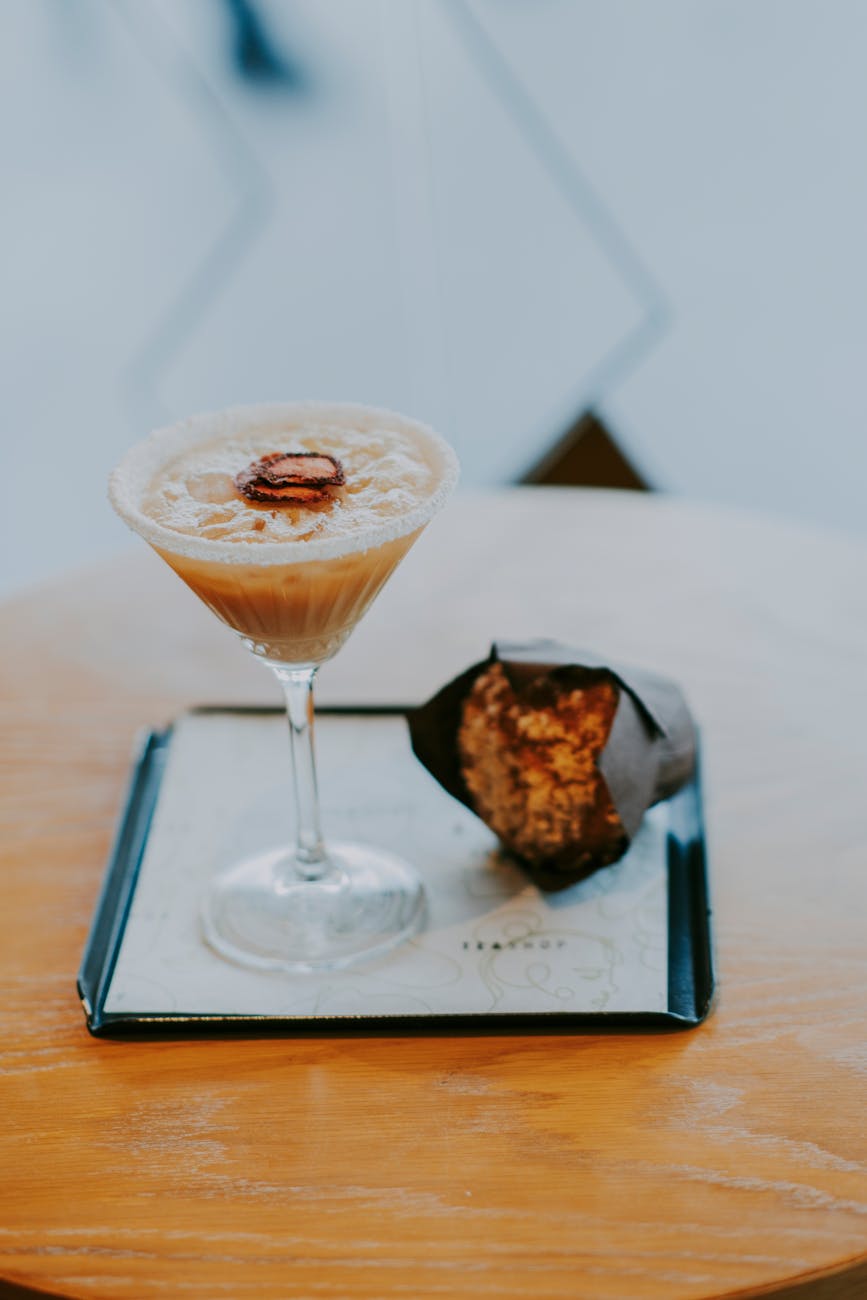
The final act of a great meal often culminates in the delicate dance of serving a rich, aromatic espresso alongside a meticulously crafted dessert. This pairing, when executed perfectly, leaves a lasting impression. However, the operational challenge of delivering a steaming, fresh espresso and a complex, multi-component dessert to the table simultaneously is significant. A delay of even a minute can result in a lukewarm coffee or a compromised dessert. This article delves into the strategies and systems needed to optimize this critical service workflow. We will explore everything from pre-service preparation and precise timing synchronization to efficient assembly techniques and the importance of continuous training, ensuring every customer enjoys their final course exactly as the chef and barista intended.
Pre-service preparation: The foundation of speed
The secret to a seamless service doesn’t begin when an order is placed; it starts hours before the first customer arrives. A meticulously organized mise en place, or “everything in its place,” is the bedrock of an efficient workflow for both the pastry and coffee stations. For the pastry chef, this means deconstructing complex desserts into their core components. Elements that can be prepared in advance without sacrificing quality should be.
- Sauces and Coulis: Prepared in batches and stored in squeeze bottles for quick, precise application.
- Crumbs and Streusels: Made ahead and kept in airtight containers for texture.
- Mousses and Creams: Portioned into individual molds or piping bags.
- Frozen Elements: Scoops of sorbet or ice cream pre-portioned to avoid delays during service.
Simultaneously, the barista’s station must be a model of efficiency, often called a “barista cockpit.” Every tool should be within arm’s reach to minimize movement and maximize speed. This includes having the espresso machine fully heated and calibrated, the grinder filled with fresh beans, and an organized supply of pre-heated cups, saucers, spoons, and sugar. This level of preparation transforms a potentially chaotic process into a calm, repeatable sequence of actions.
Synchronizing the timing of coffee and dessert
This is the most crucial and delicate phase of the operation. The goal is for two items, prepared in different sections of the establishment by different people, to be ready at the exact same moment. Success hinges on clear communication and a deep understanding of each item’s specific preparation timeline. The first step is to identify the “longest lead-time item” for any given pairing. Is it the 30 seconds it takes to pull a perfect espresso shot, or the 90 seconds required to plate a deconstructed cheesecake?
The answer dictates the entire sequence. The order to “fire” the shorter-lead-time item must be given at the precise moment the longer one is started. For example, if a lava cake takes two minutes to plate, the server or expeditor should call for the espresso 90 seconds into the plating process, allowing for 30 seconds of assembly and a 30-second espresso extraction. This requires a robust communication system, whether it’s an advanced point-of-sale (POS) system that sends timed alerts to different stations or a simple, well-understood verbal cue system. The expeditor or head server often acts as the conductor of this small orchestra, ensuring both sections hit their notes at the right time.
The art of efficient assembly and plating
With preparation and timing locked in, the final assembly is a high-pressure sprint. The goal is not just speed, but also precision and consistency. For the pastry chef, this means having a logical, repeatable plating sequence that has been practiced to perfection. Think of it as a fluid, choreographed routine: a swipe of sauce, the placement of the main component, a sprinkle of crumble, and a final garnish. Every movement is deliberate and designed to build the dessert quickly without appearing rushed.
For the barista, the workflow is just as critical. The routine of grinding beans, dosing the portafilter, tamping with consistent pressure, and pulling the shot must be second nature. A crucial but often overlooked step is using pre-heated cups. A cold ceramic cup can instantly rob an espresso of its heat, rendering all the careful timing useless. By the time the shot is pulled, the dessert should be entering its final seconds of plating. A designated “landing zone” on the pass, where the finished coffee and dessert can meet for a moment before being whisked away, is essential to avoid traffic jams and maintain order during the busiest periods.
Training, technology, and continuous improvement
Optimizing this workflow is not a one-time setup; it is a continuous process of refinement fueled by training and technology. Staff training should go beyond individual roles. A barista who understands the time it takes to plate the most popular desserts can better anticipate the timing. Likewise, a pastry cook who knows that a perfect espresso shot cannot simply sit and wait will appreciate the need for speed and clear communication.
Modern technology can be a powerful ally. POS systems can be configured to fire orders to the coffee and pastry stations with specific timing instructions. Some systems can even display countdown timers for service staff. However, technology is only a tool. The most important factor is creating a feedback loop. Regularly review service times. Where are the bottlenecks? Are certain pairings consistently causing delays? Analyzing this data can reveal weaknesses in the workflow that need to be addressed. This might lead to re-choreographing a dessert’s plating process or adjusting the communication cues between staff.
Sample Timing Analysis Table
| Dessert Type | Key Components | Estimated Plating Time | Ideal Espresso “Fire” Cue |
|---|---|---|---|
| Chocolate Lava Cake | Warm cake, raspberry coulis, vanilla ice cream, mint garnish | 75 seconds | When the cake is placed on the plate (45 seconds before finish) |
| Deconstructed Tiramisu | Mascarpone quenelle, coffee-soaked ladyfingers, cocoa dust, chocolate shard | 90 seconds | After the ladyfingers are arranged (60 seconds before finish) |
| Artisanal Cheese Plate | 3 cheeses, fruit compote, crackers, nuts | 120 seconds | After the cheese and compote are plated (30-40 seconds before finish) |
By focusing on these principles of preparation, synchronization, efficient execution, and continuous improvement, any establishment can master the art of serving espresso and multi-component desserts. It elevates the service from a simple transaction to a seamless and memorable experience for the guest.
In conclusion, optimizing the workflow for serving espresso with complex desserts is a multifaceted endeavor that pays enormous dividends in customer satisfaction and operational efficiency. It begins long before the order is placed, with a rigorous commitment to mise en place for both the pastry and coffee stations. The core of the challenge lies in mastering the art of synchronization, ensuring that the short window of a perfect espresso shot aligns flawlessly with the final touches of a plated dessert. This is achieved through efficient assembly routines, clear communication, and the strategic use of an expeditor. Finally, this high level of service is sustained through continuous training, leveraging technology, and analyzing performance to constantly refine the process. Ultimately, a well-executed workflow is invisible to the customer; they only experience the magic of a perfect pairing, delivered at the perfect moment.
 No products in the cart.