

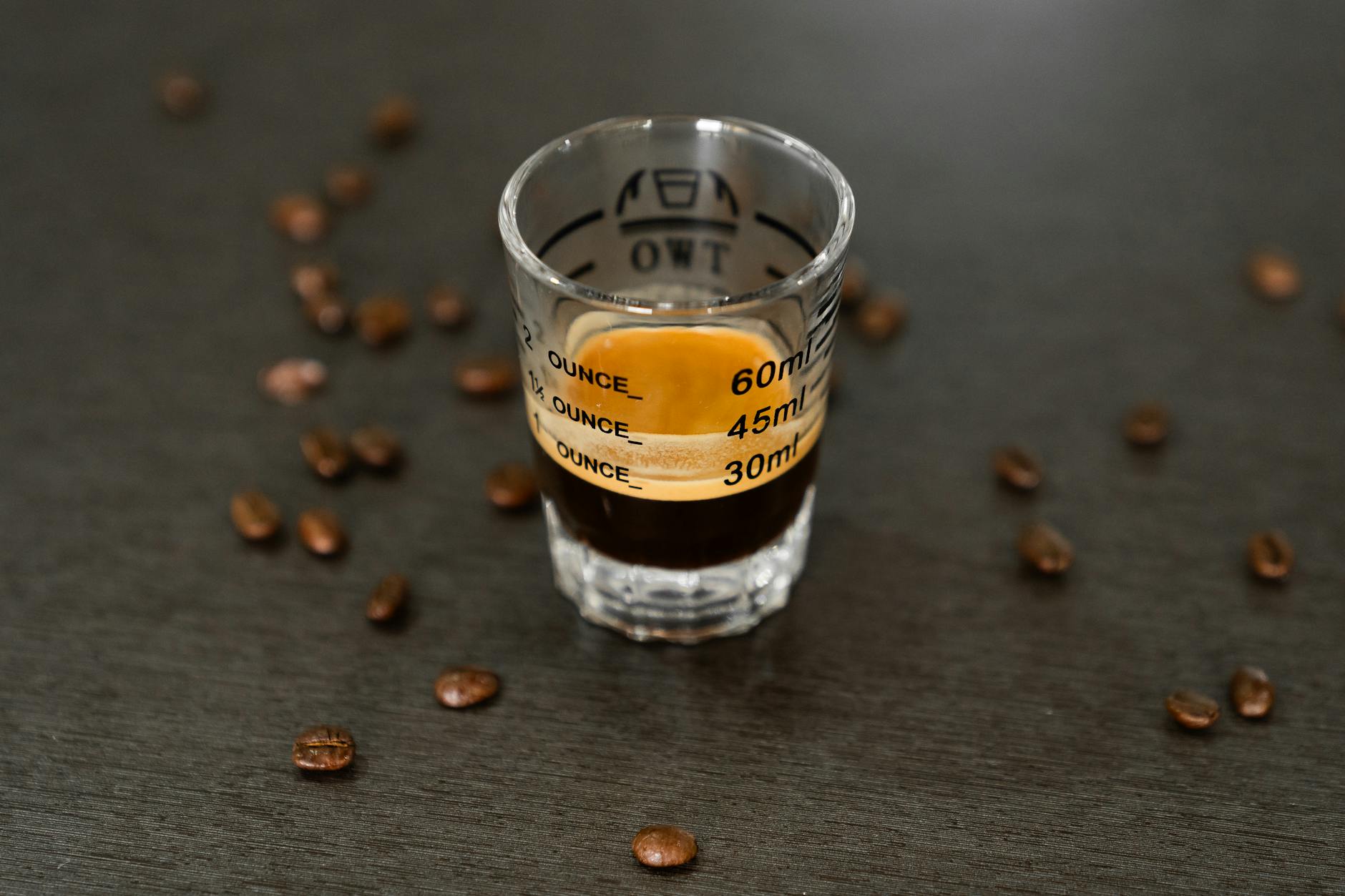
The role of espresso crema in the texture of creamy desserts
When you picture a perfect shot of espresso, the first thing that comes to mind is often the beautiful, reddish-brown layer floating on top: the crema. Many view it simply as a sign of a well-made coffee, a visual seal of quality. However, this delicate foam is far more than just decoration. It is a complex and flavorful emulsion that plays a pivotal, yet often underestimated, role in the culinary world. Specifically, espresso crema is a secret weapon for achieving unparalleled texture in creamy desserts. This article will delve into the science behind crema and explore how its unique properties as an emulsifier and foaming agent can transform the mouthfeel of classic sweets like tiramisu, mousses, and custards, turning them from merely good to truly exceptional.
What exactly is espresso crema?
Before we can understand its function in desserts, we must first understand what crema is. Far from being simple froth, crema is a sophisticated emulsion created under the intense pressure of an espresso machine. As hot water is forced through the tightly packed coffee grounds at high pressure (typically 9 bars or more), it emulsifies the natural oils within the coffee beans.
Simultaneously, this process extracts and traps carbon dioxide, a gas that is naturally present in freshly roasted coffee beans. The result is a colloid of three key components:
- Emulsified coffee oils: These tiny oil droplets give the crema its silky texture and carry much of the coffee’s aroma.
- Microscopic CO2 bubbles: These bubbles are responsible for the volume and foam-like structure of the crema.
- Suspended coffee solids: Fine particles of coffee grounds and melanoidins (compounds formed during roasting) add to the body and bitterness.
This combination gives crema a distinct sensory profile. It has a more intense, sometimes slightly bitter flavor than the liquid espresso beneath it, but its most important characteristic for our purpose is its velvety, persistent texture.
Crema as a natural emulsifier and foaming agent
The true magic of crema in dessert making lies in its function as a natural emulsifier and foaming agent. In culinary science, an emulsifier is a substance that helps stabilize a mixture of two liquids that would otherwise separate, such as oil and water. The proteins and melanoidins present in crema act as surfactants, molecules that reduce the surface tension between other ingredients. When you incorporate a shot of fresh espresso, crema and all, into a dessert base like a mascarpone cream or a custard, these surfactants get to work.
They wrap around the microscopic air bubbles and fat globules, creating a stable structure. This prevents the mixture from becoming grainy or separating, resulting in a smoother final product. More importantly, crema introduces and stabilizes air. It acts as a natural foaming agent, contributing to a lighter, airier texture. A tiramisu made with a crema-rich espresso will have a noticeably more delicate and less dense mascarpone layer compared to one made with strong drip coffee, which lacks these emulsifying and foaming properties.
The impact of crema on mouthfeel and flavor perception
Texture and mouthfeel, while related, are not the same. Texture refers to the physical properties of the food, while mouthfeel is the sensory experience of that texture in the mouth. This is where crema truly shines. The fine, stable foam of the crema, with its emulsified oils, coats the palate, creating a sensation of richness and silkiness. It contributes a luxurious, velvety quality that enhances the perception of creaminess in a dessert without necessarily adding more fat.
Furthermore, crema is a powerful vehicle for flavor and aroma. The emulsified oils trap volatile aromatic compounds from the coffee. When the dessert is eaten, these compounds are released, delivering a much more intense and complex coffee aroma than the liquid espresso alone. This means the dessert not only feels creamier but also tastes more profoundly of coffee. The slightly bitter notes of the crema can also provide a sophisticated counterbalance to the sweetness of the dessert, creating a more balanced and interesting flavor profile.
Practical applications and tips for chefs and home bakers
To harness the full potential of espresso crema, timing and quality are crucial. Crema is inherently unstable; the bubbles will eventually pop and the emulsion will break down. For this reason, it is essential to use the espresso immediately after it is pulled. It should be gently folded into the dessert base while the crema is still thick and voluminous.
The quality of the crema itself is also paramount. This is directly linked to several factors:
- Bean freshness: Freshly roasted beans contain more CO2, which is essential for a rich, lasting crema.
- Espresso machine: A machine capable of maintaining consistent pressure and temperature is key.
- Grind and tamp: A proper fine grind and even tamping ensure optimal extraction.
Not all desserts benefit equally, but for those based on aeration and emulsion, the effect is transformative. The table below highlights its role in a few popular dessert types.
| Dessert type | Primary role of espresso crema |
|---|---|
| Tiramisu | Adds lightness and stability to the mascarpone cream; enhances coffee flavor in the ladyfinger soak. |
| Coffee mousse | Acts as a foaming agent, creating a lighter, airier texture and a more stable structure. |
| Panna cotta or custards | Improves the mouthfeel, making the final product feel silkier and richer on the palate. |
| Ice cream base | Functions as an emulsifier, helping to prevent the formation of large ice crystals and resulting in a smoother texture. |
By paying attention to the quality of your espresso shot, you are not just making better coffee; you are sourcing a powerful textural ingredient.
In conclusion, the delicate foam atop an espresso is far more than an aesthetic flourish. Crema is a complex chemical emulsion that serves as a functional ingredient, fundamentally changing the texture and sensory experience of creamy desserts. By acting as a natural emulsifier and foaming agent, it creates a lighter, more stable structure. Its unique composition of oils and microbubbles enhances mouthfeel, lending a luxurious silkiness and richness to every bite. It also intensifies the coffee’s aromatic profile, making the flavor deeper and more memorable. For any baker or chef looking to elevate their coffee-flavored creations, understanding and utilizing fresh, high-quality crema is not just a suggestion; it is the key to unlocking a new level of textural perfection.


 No products in the cart.