

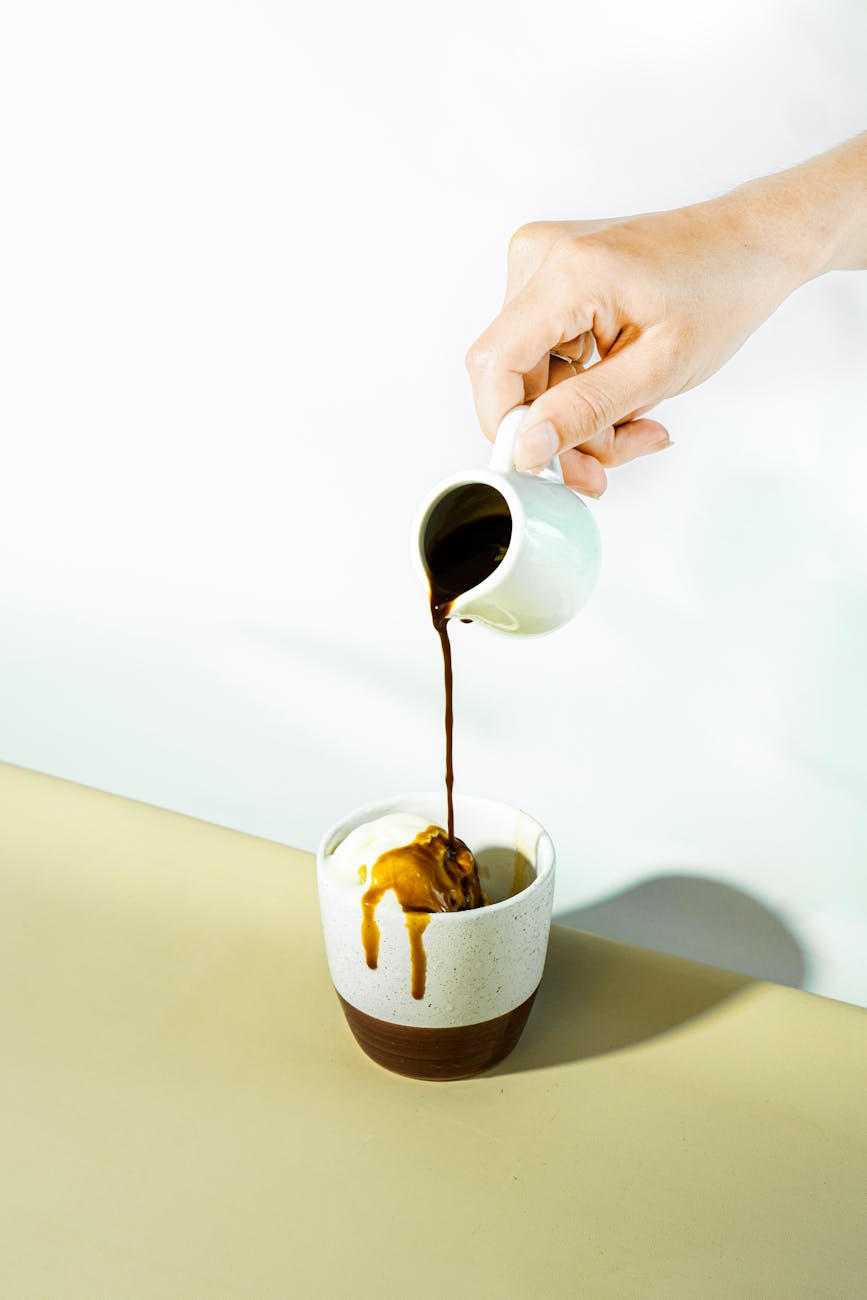
The art of contrast: Balancing high-bitterness espresso with cream-based desserts
Imagine the intense, aromatic punch of a freshly pulled espresso. It’s bold, powerful, and unapologetically bitter. Now, picture a decadent, cream-based dessert—a silky panna cotta or a rich slice of cheesecake—with its comforting sweetness and velvety texture. On their own, each is a delight. But when paired together, they can create a culinary experience that is far greater than the sum of its parts. This isn’t just a happy accident; it’s a masterful balancing act of flavor and texture. This article delves into the delicious art of pairing high-bitterness espresso with creamy desserts. We’ll explore why these opposites attract, uncover the sensory science at play, and provide a guide to help you create the perfect, harmonious pairing every time.
Understanding the protagonists: The profiles of bitter espresso and creamy desserts
To master the pairing, we first need to understand our two main players. A high-bitterness espresso isn’t a sign of a poorly made coffee; it’s a specific and often desirable flavor profile. This intense bitterness typically comes from a few key factors:
- Roast level: Darker roasts, common in traditional Italian espresso blends, develop deep, bitter, and smoky flavor compounds.
- Bean type: Robusta beans, often included in espresso blends for their thick crema and caffeine kick, are naturally more bitter and less acidic than their Arabica counterparts.
- Extraction: A long extraction time or a very fine grind can pull more bitter compounds from the coffee grounds.
On the other side of the spectrum, we have cream-based desserts. Their identity is built on richness. The primary components—fat from cream, butter, or cheese, and sugar—create a profile that is sweet, smooth, and luxurious. These desserts, like crème brûlée, mousse, or tiramisu, are designed to coat the palate with a velvety texture and a comforting, indulgent flavor. It’s this very richness that makes them the perfect dance partner for a sharp, commanding espresso.
The science of sensory balance: Why opposites attract
The magic behind this pairing lies in a core principle of gastronomy: contrast. Our taste buds crave dynamic experiences, and pairing opposing flavors and textures creates a sensation that is complex and satisfying. When you take a sip of bitter espresso after a bite of creamy dessert, a fascinating interaction occurs on your palate.
First, the bitterness and acidity of the espresso cut through the fat of the dessert. The high-fat content in cream can coat the tongue, sometimes leading to a feeling of heaviness known as “palate fatigue.” The astringent quality of a strong espresso acts as a solvent, cleansing your palate and washing away that residual richness. This makes each new bite of the dessert taste just as vibrant as the first.
Conversely, the sweetness and fat in the dessert work to tame the espresso’s bitterness. Sugar is a well-known mitigator of bitterness. The creamy texture and sweetness soften the espresso’s sharp edges, allowing its more subtle, underlying notes—like dark chocolate, toasted nuts, or caramel—to shine through. This creates a beautifully rounded experience where neither element overpowers the other.
A practical pairing guide: From classic to creative
While experimentation is part of the fun, some pairings are classics for a reason. Understanding why they work can help you make your own successful combinations. The goal is to find a dessert that can stand up to the espresso’s intensity without being completely overshadowed, and an espresso that can slice through the dessert’s richness without being abrasive.
Here is a simple guide to get you started:
| Espresso profile | Recommended dessert | Why it works |
|---|---|---|
| Classic Italian dark roast (with Robusta) | New York cheesecake | The intense, syrupy bitterness of the coffee beautifully contrasts the dense, tangy richness of the cheesecake. |
| Medium-dark single origin (e.g., Sumatran) | Crème brûlée | The earthy and smoky notes in the coffee complement the sweet vanilla custard, while its bitterness cuts through the caramelized sugar top. |
| High-intensity, dark chocolate notes | Classic tiramisu | This is a complementary pairing where the coffee in the dessert echoes the espresso, creating a deep, layered coffee and cocoa experience. |
| Smoky, powerful dark roast | Panna cotta with caramel sauce | The clean, simple sweetness of the panna cotta mellows the coffee’s intensity, and the bitterness of both the espresso and caramel create a complex harmony. |
Tips for the perfect experience
Beyond choosing the right coffee and dessert, a few simple techniques can elevate your pairing from good to unforgettable. First, pay attention to temperature. The contrast between a hot, freshly pulled espresso and a chilled dessert creates a delightful sensory shock that enhances the experience. Next, consider your method. Instead of trying to have both in your mouth at once, try alternating. Take a bite of the dessert, savor its texture and sweetness, and then take a sip of espresso to cleanse your palate and prepare for the next bite. This allows you to appreciate each component individually as well as their combined effect. Finally, remember that context is everything. This is a pairing meant to be savored slowly, so a calm and relaxed atmosphere will make the experience all the more enjoyable.
Conclusion
The pairing of high-bitterness espresso and cream-based desserts is a testament to the power of contrast in the culinary world. It’s a deliberate act of balancing opposing forces to create a singular, harmonious experience. By understanding the distinct profiles of a bold espresso and a rich dessert, we can appreciate the science at play: bitterness cuts through fat, while sweetness and cream soften bitterness. This dynamic interplay cleanses the palate and reveals deeper, more complex flavors in both the coffee and the treat. Whether you stick to a classic combination like espresso with tiramisu or venture out to create your own, the key is to savor the moment. This pairing is more than just a caffeine fix and a sugar rush; it’s a sophisticated, multi-sensory indulgence.
 No products in the cart.