

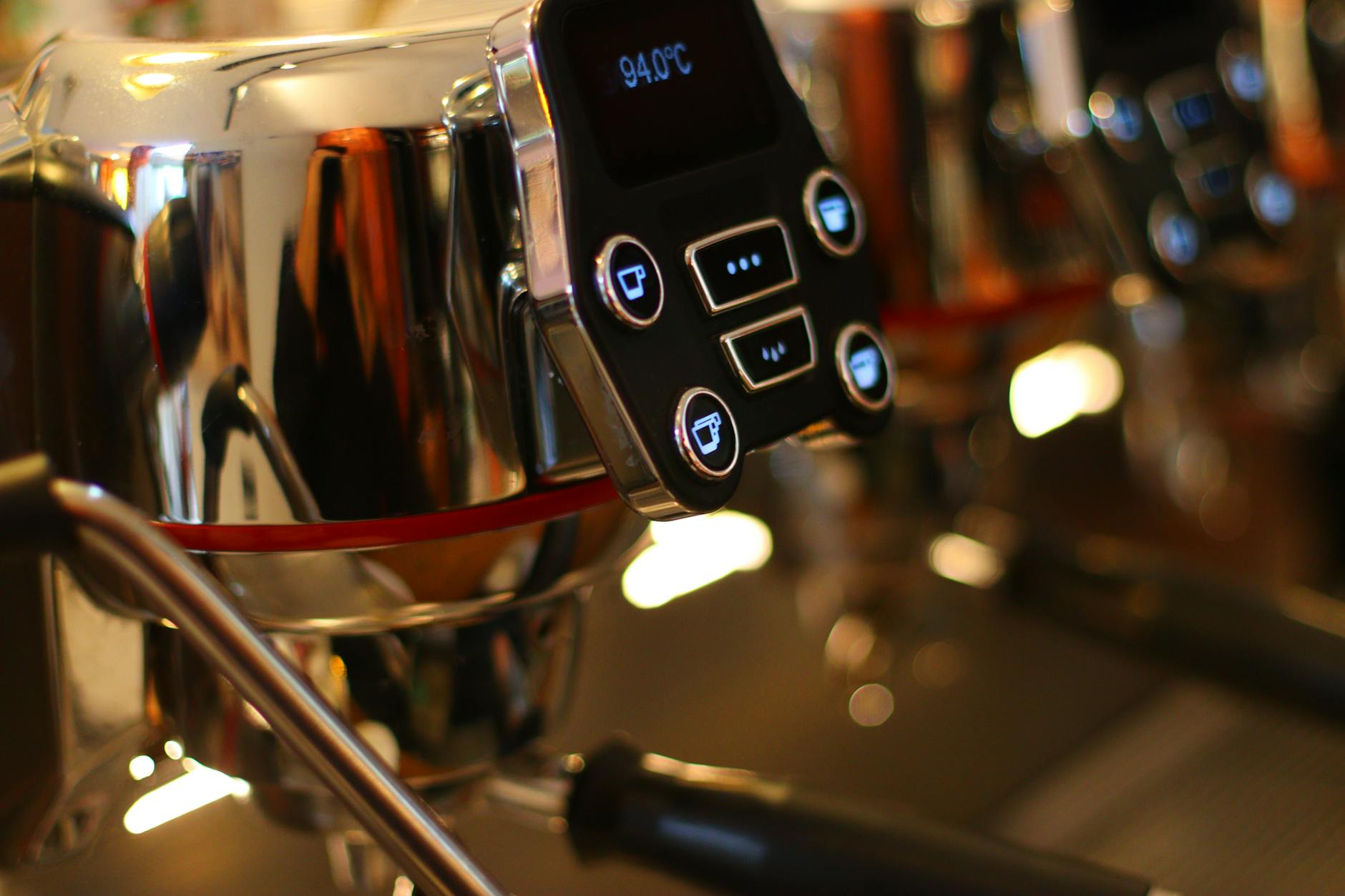
Is your coffee machine crying for help? 5 signs it needs descaling immediately
Your fully automatic coffee machine is the heart of your morning routine, a reliable source of that perfect cup of espresso or cappuccino. But over time, an invisible enemy can build up inside: limescale. This mineral deposit, left behind by hard water, can seriously impact your machine’s performance and, more importantly, the taste of your coffee. Ignoring the need to descale is like never changing the oil in your car; eventually, it leads to bigger problems. This guide will walk you through the tell-tale signs that your machine is desperately asking for a descaling cycle, helping you protect your investment and ensure every cup is as delicious as the first.
The taste tells the tale: a decline in coffee quality
The very first and most personal sign that something is wrong is in the cup itself. You might notice your once rich and aromatic coffee now tastes disappointingly bitter, sour, or just flat. This isn’t your imagination, and it’s probably not the beans. Limescale acts as an insulator on your machine’s heating element, preventing the water from reaching the optimal brewing temperature (typically between 90-96°C). Water that isn’t hot enough cannot properly extract the full range of flavors from the coffee grounds. This under-extraction often results in a weak, sour taste. Conversely, trapped heat and inconsistent flow can lead to over-extraction in spots, creating a harsh, bitter flavor. If your daily brew has lost its magic, limescale is the most likely culprit.
Performance problems: slower brewing and lower temperature
Beyond taste, your machine’s behavior will change. Think back to when you first got it; the brewing process was likely swift and efficient. A machine clogged with limescale has to work much harder. You’ll notice that it takes significantly longer to brew a single cup of coffee. The water struggles to pass through the narrowed internal pipes and heating chambers. This restricted flow leads to a slow, sometimes sputtering, delivery of coffee into your cup. You may also notice the coffee isn’t as hot as it used to be. A lukewarm espresso is a classic symptom of a scale-coated heating element that simply can’t transfer heat to the water effectively. This drop in performance is a direct precursor to more serious mechanical issues.
Strange noises and steam issues
When your coffee machine starts sounding different, it’s time to pay close attention. A healthy machine has a familiar hum and whir. A machine in need of descaling, however, may start making gurgling, hissing, or unusually loud pumping noises. These sounds are caused by the pump straining to force water through the scale-constricted pathways. It’s the sound of a system under pressure and struggling to function. If your machine has a steam wand for frothing milk, this is another area to check. A blocked system will result in weak, inconsistent steam output or a sputtering wand that produces more hot water than dense, dry steam. These audible warnings are your machine’s way of telling you it’s working overtime and on the verge of potential component failure.
Visible signs and warning lights: when your machine speaks to you
Fortunately, most modern fully automatic machines have built-in systems to alert you. The most obvious signal is the ‘descale’ indicator light or a message on the display. It’s crucial that you do not ignore this warning. These alerts are typically programmed based on a set number of brewing cycles or the water hardness level you programmed into the machine. It’s a proactive reminder to perform essential maintenance before the problems become severe. You might also see physical evidence of scale. Check the water nozzle where the coffee comes out, look inside the water tank, or inspect the drip tray for a white, chalky residue. If you can see scale on the outside, you can be certain there is a much heavier buildup on the inside.
| Sign | What It Means |
| Coffee tastes sour or bitter | Incorrect water temperature is leading to poor flavor extraction. |
| Brewing is slow or sputtering | Water flow is restricted by internal scale buildup. |
| Coffee is not hot enough | The heating element is insulated by scale and cannot heat water properly. |
| Machine is making loud noises | The pump is straining to push water through clogged pipes. |
| “Descale” light is on | The machine’s internal counter indicates maintenance is due. |
Protect your brew, protect your machine
Listening to your coffee machine is key to its longevity and your daily coffee enjoyment. The signs of limescale buildup, from a sour taste and lukewarm temperature to slow brewing and strange noises, are clear indicators that immediate action is needed. Ignoring these warnings, especially a dedicated “descale” light, doesn’t just compromise your coffee; it puts unnecessary strain on the internal components like the pump and heating element, leading to costly repairs down the line. Making descaling a regular, non-negotiable part of your maintenance routine is the single best thing you can do for your fully automatic machine. It ensures every cup is perfect and that your beloved coffee companion remains in top condition for years to come.
 No products in the cart.