

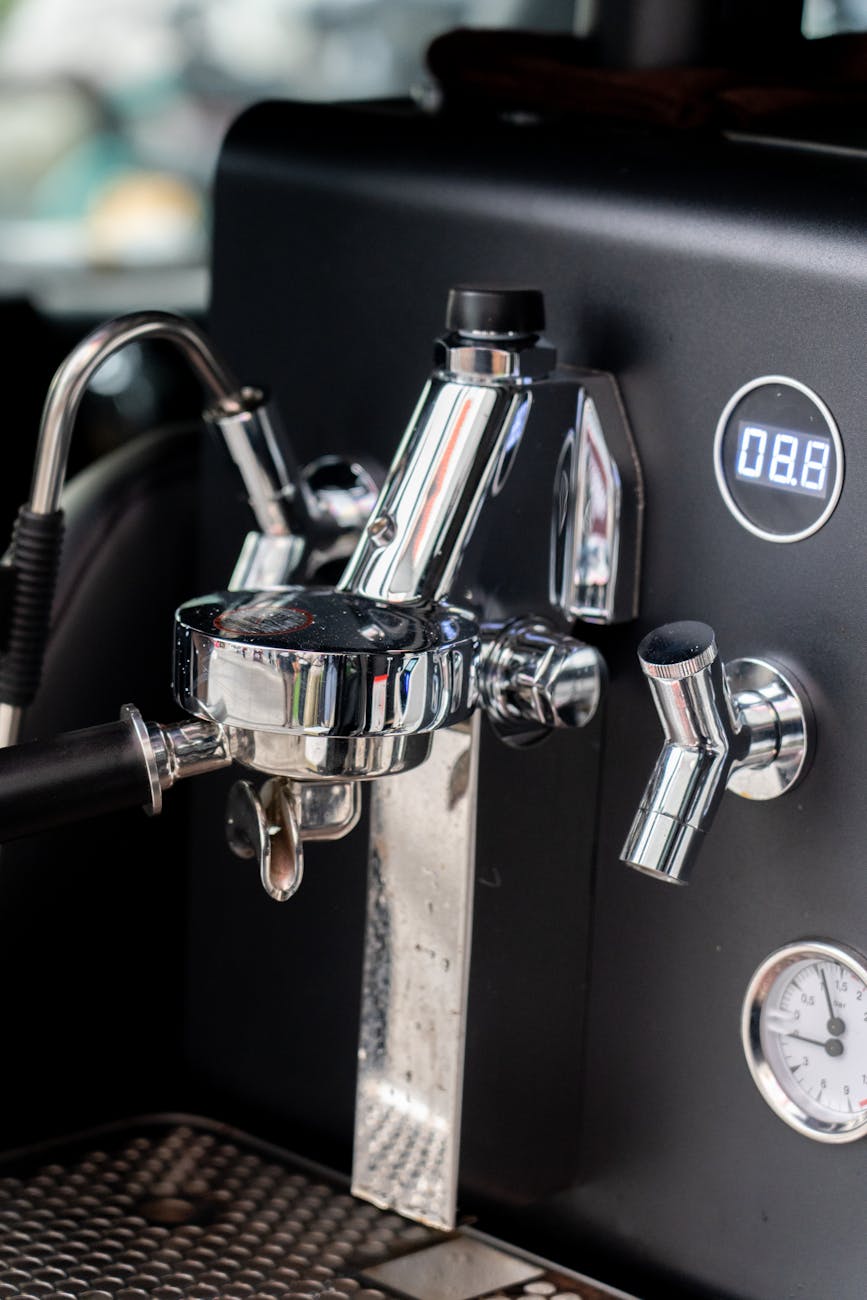
A complete guide to espresso machine descaling for longevity and performance
That first sip of a perfectly pulled espresso shot is a daily ritual for many. It’s rich, aromatic, and the perfect start to any morning. But what happens when your machine starts to sputter, your coffee tastes a little off, or the steam wand loses its power? The culprit is often an invisible enemy: limescale. Mineral buildup inside your espresso machine is one of the leading causes of poor performance and eventual failure. This guide will walk you through everything you need to know about descaling. We’ll explore what limescale is, how to know when to descale, which solutions to use (and which to avoid), and provide a clear, step-by-step process to keep your machine running flawlessly for years to come.
Understanding limescale: The hidden enemy of your espresso machine
To effectively combat a problem, you first need to understand it. Limescale is the hard, chalky deposit, primarily made of calcium carbonate, that builds up inside appliances that heat water. It originates from the “hard water” supplied to many homes, which is rich in dissolved minerals like calcium and magnesium. When this water is heated inside your espresso machine’s boiler and pipes, these minerals precipitate out of the solution and cling to the internal surfaces, forming a stubborn layer of scale.
This buildup isn’t just a cosmetic issue; it’s a direct threat to your machine’s health and the quality of your coffee. Here’s how:
- Reduced performance: Limescale acts as an insulator on the heating element, forcing it to work harder and longer to reach the proper brewing temperature. This leads to inconsistent water temperature, a critical factor in espresso extraction, and can result in sour or bitter shots.
- Clogs and blockages: As scale accumulates, it narrows and eventually blocks the intricate network of pipes and valves within your machine. This restricts water flow, leading to weak pressure at the group head and a feeble steam wand.
- Component failure: The extra strain on the heating element and pump can lead to premature failure. Furthermore, scale can cause valves to stick or fail to seal properly, resulting in leaks and costly repairs.
In short, ignoring limescale is a sure way to shorten your machine’s lifespan and compromise the taste of every single coffee you make. Regular descaling is not just maintenance; it’s essential care.
When and how often to descale your machine
Knowing when to descale is just as important as knowing how. There is no universal “every three months” rule that works for everyone. The ideal frequency depends on a combination of factors, with water hardness being the most significant. If you use very hard water and make several coffees a day, you might need to descale monthly. Conversely, if you use soft or filtered water, you might only need to do it once or twice a year.
Here are the key indicators to watch for:
- Your water hardness: You can find out your local water hardness from your utility provider’s website or by using simple water hardness test strips available online. This is the most reliable way to create a schedule.
- Machine alerts: Many modern super-automatic machines have built-in sensors and will flash a light or display a message when it’s time to descale. Heed these warnings!
- Performance issues: Don’t wait for a complete failure. If you notice the machine taking longer to heat up, a decrease in water flow from the group head, a noisy pump, or weaker steam pressure, it’s a strong sign that scale is building up.
Here is a general guideline to help you establish a routine based on water hardness and usage.
| Water Hardness (Grains per Gallon) | Light Use (1-2 drinks/day) | Heavy Use (4+ drinks/day) |
|---|---|---|
| Soft (0-3 GPG) | Every 6-8 months | Every 4-5 months |
| Moderately Hard (4-7 GPG) | Every 3-4 months | Every 2 months |
| Hard / Very Hard (8+ GPG) | Every 1-2 months | Every month |
Remember, this is a starting point. Always pay attention to your machine’s performance and adjust your schedule as needed.
Choosing your weapon: Descaling solutions explained
When it comes to the descaling solution itself, you have two main options: a specially formulated commercial product or a homemade solution. While DIY might seem tempting, it’s crucial to choose wisely to avoid damaging your machine.
Commercial Descalers
These products, available in powder or liquid form, are specifically engineered for coffee machines. They use a blend of acids (like citric or lactic acid) that are powerful enough to dissolve stubborn limescale but gentle on the delicate internal components of your machine, such as aluminum boilers, brass fittings, and rubber seals. While they may cost a bit more, they offer peace of mind and are highly effective. Always choose a reputable brand designed for espresso machines.
Homemade Solutions
The most common DIY option is citric acid. It’s food-safe, effective, and readily available. A general recipe is to dissolve 1 to 2 tablespoons of citric acid powder per liter of warm water. It’s a great, cost-effective alternative to commercial products.
However, there is one common household acid you should never use: vinegar. While vinegar (acetic acid) can dissolve limescale, it has significant downsides. It can be too aggressive, potentially corroding metal components and, more commonly, damaging the rubber and silicone seals and gaskets inside your machine, leading to leaks over time. Furthermore, its strong odor is incredibly difficult to flush out completely, and nobody wants a hint of vinegar in their morning cappuccino.
The step-by-step descaling process
Ready to get started? Before you begin, always consult your machine’s user manual. Different models can have specific instructions. The following is a general, widely applicable guide for most semi-automatic machines.
Step 1: Preparation
- Turn off and cool down your machine.
- Remove the portafilter and empty the drip tray.
- If you use a water filter in your tank, remove it for the duration of the process.
- Prepare your descaling solution according to the package directions or by mixing citric acid in the machine’s water reservoir.
Step 2: Running the solution
- Place the water tank back on the machine and turn it on.
- Put a large bowl or container under the group head.
- Once the machine is up to temperature, run about a quarter of the descaling solution through the group head.
- Next, dispense another quarter of the solution through the steam wand. Be careful, as the water will be hot.
- Turn the machine off and let it sit for 20-30 minutes. This “soaking” period allows the acid to break down the mineral deposits effectively.
- Turn the machine back on and run the remaining solution through, alternating between the group head and steam wand until the reservoir is empty.
Step 3: Rinsing thoroughly
- This is the most critical part to ensure no chemical residue is left behind.
- Remove the water tank and rinse it thoroughly with clean water.
- Fill the tank with fresh, clean water and place it back on the machine.
- Run the entire tank of fresh water through the machine, again alternating between the group head and steam wand.
- Repeat this flushing process with a second full tank of fresh water. You cannot over-rinse.
Step 4: Final checks
- Wipe down your machine.
- Pull one or two “sacrificial” shots of espresso and discard them. This helps re-season the machine and confirms there are no off-tastes. Your machine is now clean and ready to brew.
Conclusion: A small task for a big reward
Descaling your espresso machine may seem like a chore, but it is one of the most impactful maintenance tasks you can perform. It is a direct investment in the quality of your coffee and the longevity of your equipment. As we’ve seen, limescale is a relentless enemy that quietly degrades performance and causes expensive damage. By understanding what it is, learning the signs of its buildup, and establishing a regular descaling routine based on your water hardness, you can take control. Remember to choose a safe and effective descaling solution—avoiding a kitchen staple like vinegar—and to always rinse thoroughly. Making descaling a non-negotiable part of your coffee ritual ensures every cup is as delicious as the first and that your beloved machine remains the heart of your kitchen for many years.
 No products in the cart.